
Controlling Bacteria in Water Distribution Systems
This article, written by the water safety specialists at WTS takes a detailed look at water distribution systems within buildings, how potable water quality can be adversely affected by the presence of waterborne bacteria and biofilm, and what can be done to prevent this happening.
The article begins by explaining what a water distribution system is, and who is responsible for maintaining the quality of the potable water once it enters a building or site. It goes on to highlight common waterborne bacteria that can cause problems inside building distribution systems, the impact of biofilm and what else can impact water quality and safety. It concludes by looking at what can be done to ensure water distribution systems deliver good quality water and are safe to use.
Who’s responsible for potable water quality in buildings?
Water companies in the UK have a legal obligation to make sure the water supplies we receive into our buildings are of good quality and safe for consumption… the term frequently used is “wholesome water” which means that it is fit to use for drinking, cooking, food preparation or washing without any potential danger to human health. Beyond that point, responsibilities then pass to those who are tasked with managing water safety within the building to make sure the water remains of potable quality.

What is a water distribution system?
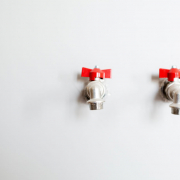
A water distribution system is an engineered system made up of pipes or channels, vessels and outlets designed to deliver water to those parts of a building (or process) where it is required. Typically, this would be potable water, i.e., water that is suitable for drinking.
Any such system is at risk of waterborne bacteria, so relevant measures must be taken to make sure bacteria and other waterborne pathogens are kept within safe levels.
There are many forms of bacteria that can live in water. Some move around freely in the water (called planktonic) while others cling to surfaces (called sessile), including the insides of pipework, water tanks and outlets. If biofilms, which are seen as a slimy coating, are allowed to form within a water distribution system, they can act both as a food source and a protective “shelter” for the bacteria. This in turn will allow them to spread and multiply throughout the water system far more successfully.
How dangerous are bacteria in potable water systems?
Some types of bacteria have a greater propensity to cause harm than others. Even then, the element of risk may depend on the water treatment programme, configuration of the system and who is using it. A good example of this is Legionella bacteria, the organism that causes outbreaks of Legionnaires’ disease, a severe type of pneumonia that can be fatal. Those at greater risk of succumbing to this disease include those aged 50 and over, those with pre-existing lung conditions or chronic health conditions, and the very young.
Pseudomonas aeruginosa is another notable bacterium to be aware of. While all those managing any commercial and similar buildings should be aware of it, it is of particular concern in hospitals, healthcare and similar environments. It can cause infections of the skin and ears. It has also been linked to pulmonary issues. Since those in hospital may already be fighting illnesses or be recovering from surgery or other procedures, it is imperative that regular testing is done to spot potential sources of infection before they become an issue.
In other cases, the digestive system can be impacted by encountering a bacterial infection. E. Coli, salmonella, and campylobacter can all impact individuals in similar ways.

How to prevent biofilms?
It is much easier to prevent biofilms from establishing themselves to start with than to tackle them after they have been identified, and are well established inside a distribution system. Of course, while it would be ideal to have no biofilm present at all, it is usually the case that pipework and similar components forming a water system will have some present, no matter how good the water hygiene programme is.
Legionella bacteria thrive in water temperatures between 20 and 45 degrees Celsius
In most cases, it is necessary to adopt several measures to ensure a targeted approach is taken that will minimise the presence of biofilms that could protect and also act as a food source for various bacteria. That said, there are other factors to consider that play a role in water quality too.
What else can affect water quality in distribution systems?
The age of the water system is relevant to water quality and the presence of biofilms. The more modern a system is, the easier it should be to maintain good water quality. An older system in a building that has had extensions and add-ons over time, not to mention upgrades or changes of use, can become more challenging to maintain because of the often ad-hoc nature of many plumbing alterations.
This leads into the second aspect too – the pipes themselves. If an old building has an extension added, the pipework in the extension may be made from more modern PVC materials. This won’t be the case with older parts of the building.
While new pipework can be cleaned and maintained using modern methods, there could well be a significant build-up of scale inside existing pipes. The first factor to think about when taking responsibility for water safety inside a building is the requirement for a Legionella or water safety risk assessment. This assessment should consider all potential risk factors, including how the building is used, who uses it, the type of outlets present, Legionella control strategies, the age of the water system and whether any parts pose a greater risk than others.
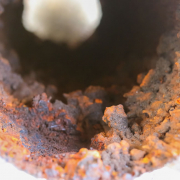
Since the presence of scale inside pipes and indeed pipe corrosion are key factors in the development of both bacteria and biofilm, the reduction of these elements is of paramount importance. Each building will have its own individual layout regarding the water system. An up to date schematic diagram of the system is essential to gain a better understanding of how it works and where the most likely risk areas might be. A good schematic drawing helps to support an accurate Legionella risk assessment of the system so it’s important to have an accurate one to hand.
It can also help suggest a multi-pronged approach to water treatment and maintenance, to consider all the major risk factors associated with potable water quality. It’s not just a matter of replacing older stretches of pipework with new, either. This can impact the entire system as water flows through it, and this could create a different imbalance or issue.
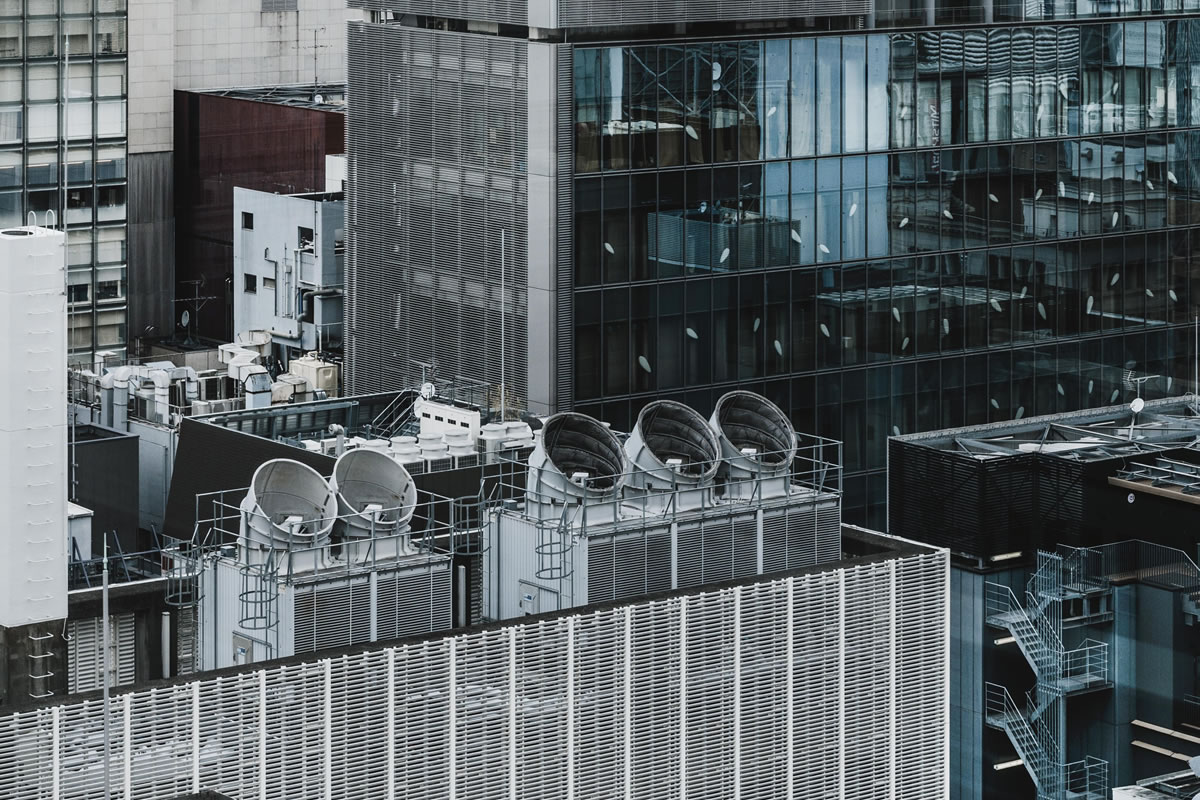
Another aspect of the layout of the water system concerns the various components used. For example, some buildings may require cooling towers. Others may require multiple water tanks. More might have shower rooms or toilets that are only occasionally used or never used. The presence of any of these can produce further challenges for those looking to control the risks from Legionella, and maintain water quality and safety.
Furthermore, the composition of the water (bearing in mind any contaminants), along with its temperature, can also play a significant role. For instance, Legionella bacteria thrive in water temperatures between 20 and 45 degrees Celsius. Other bacteria may thrive in different temperature ranges, therefore it’s essential to consider these and to mitigate the risks associated with them.
How to ensure water distribution systems are safe?
We mentioned the all important first step of completing a Legionella risk assessment already – the crucial starting point for any commercial building or process that uses water. However, there are many other aspects to consider, such as contamination from external sources, thermal controls, the best combination of water treatment biocides to use, and many other elements.
It is imperative – and required by current safety legislation – that those responsible for day-to-day water safety in a building, referred to as the Responsible Person must have relevant skills, qualifications, and experience to perform their role correctly. If they do not have these, they must employ the services of someone who does. There are many external water safety companies such as Water Treatment Services that can take on this role – and that possess far more extensive knowledge about controlling bacteria throughout all water distribution systems to maintain good water quality and so keep people safe.
Expert Legionella and water safety services
Water Treatment Services offer a range of specialist Legionella and water safety solutions to support those responsible for the safety of water systems in industrial, commercial and healthcare environments.
Contact us today to learn how our water safety specialists can help you manage your water systems to maintain water quality, regulatory compliance and so keep people safe.
With offices in London serving the South and South East England, Manchester (North West), Birmingham (Midlands), Bristol (South East England and Wales), Leeds (North and North East) and Glasgow (Scotland), supported by regional teams of specially trained technicians and engineers we can offer specialist Authorising Engineer support, Legionella risk assessments, training, water quality analysis and other risk management solutions throughout the UK and Internationally.
Contact us today to learn how our water safety and Legionella management specialists can help you.