
Water Microbiology, Identifying and Treating Contaminants
How often do you think about what’s in the water that comes out of your taps? If you’re in the UK then you probably never even question it, thanks to the various measures water companies put in place to make sure no one becomes ill from contamination of their water supplies
Of course, there are occasions when things can get into the water. While contamination can occur at any stage, it is arguably more likely to occur within a building, rather than before it reaches that stage. This means that if you’re responsible for the safety of the water supply at the point of delivery in a building of any kind, it’s vital to make sure you understand water microbiology and how that knowledge can be used to keep people safe.
What is water microbiology?
The question of water microbiology sounds like a complicated topic, and it is if you look at it in depth. However, at its most basic level, it refers to an examination of the various microorganisms that can be found in water, which range from bacteria to algae. It’s important for water safety and the protection of public health.
For our purposes in this article, we will focus on how certain microorganisms can affect the quality of the water supply inside a commercial building. Of course, the supplies reaching the building should be of excellent, potable quality. However, a range of things could occur between the point of entry into the building and the point of delivery (a tap or other water outlet). It is this element we are concerned with here.
What is water treatment in microbiology?
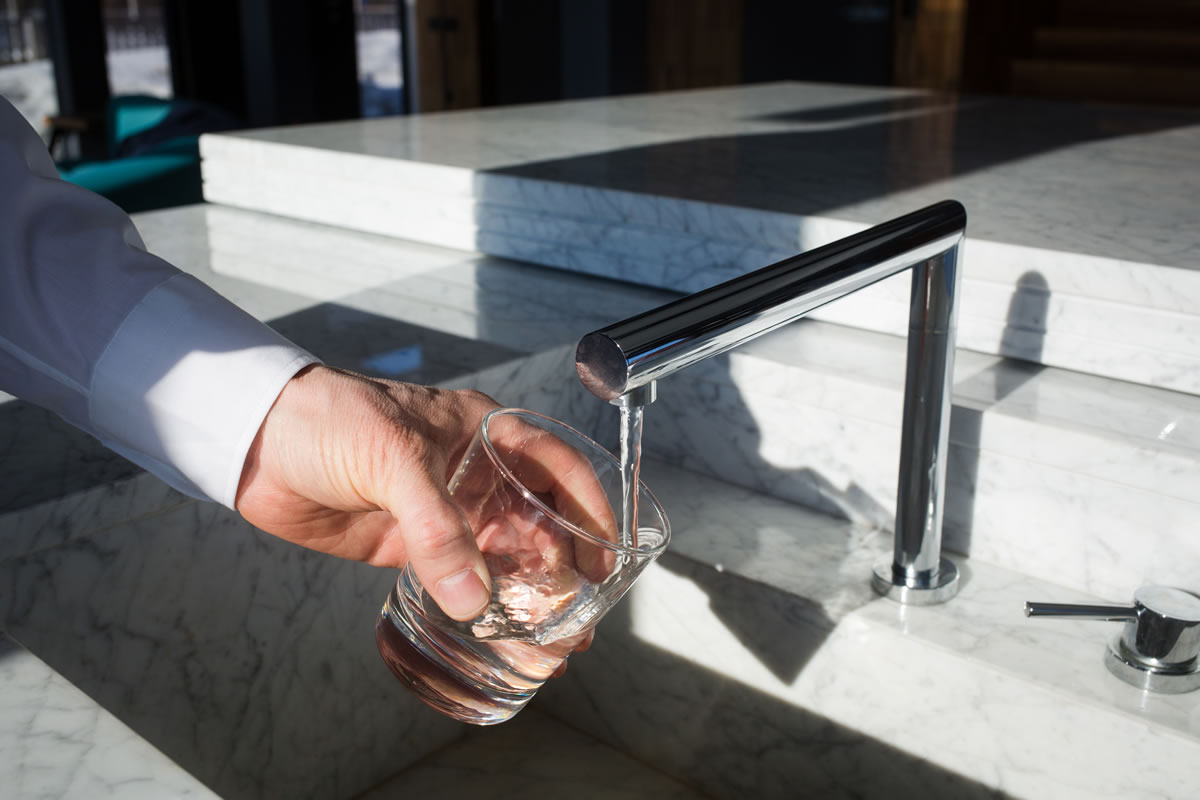
Water treatment in a microbiology context is the process of treating water supplies to get rid of any microorganisms that may be present in the water, or its distribution system. There is all manner of ways this can be done, depending on the scenario, and building in question.
Disinfection is perhaps the most familiar method to most people, but there are many other ways to deal with microorganisms, including by filtration or coagulation. We can broadly refer to such methods as appearing in two groups – the first includes techniques that allow the microorganisms to be removed. The second group renders them inactive and therefore they become harmless.
Can microorganisms be dangerous to humans?
Microorganisms can become dangerous to humans if they fall into the pathogenic category. A pathogen causes disease in its host, so while plenty of microorganisms pose no danger at all, some do. In the case of water supplies, E. coli is a familiar example of a pathogen. Cryptosporidium can also cause harm in the same way.
Some microorganisms such as Pseudomonas aeruginosa affect different parts of the body, depending on how they enter it. For example, some may cause skin diseases or infections if they come into contact with cuts or bare skin. Others, like Legionella bacteria, can cause lung illnesses and conditions such as the potentially deadly Legionnaires’ disease or the less serious Pontiac fever. Inhalation is the way in which Legionella can enter the body and cause harm.
Is water contamination purely down to bacteria, viruses, and microbes?
No – all kinds of other things can contaminate a water supply too. Everything from untreated wastewater and industrial effluent, sewage, chemicals, pesticides, aluminium to copper, through to heavy metals including mercury and even uranium can infiltrate a water supply.
There are guidelines from the World Health Organization (WHO) that provide maximum levels of each contaminant, so it is imperative that every water supply in every building remains below these levels.
How to treat water supplies to keep them safe
No two water systems in any two buildings are going to be identical. Therefore, it is imperative that you undertake a water safety or Legionella risk assessment of the water system to identify the risks and determine the best approach for treating the supply.
For instance, a small, self-contained office building will have far simpler needs than a large, complex office block. Similarly, both those office buildings will have vastly different needs compared with those of a factory or hospital building.
In every case, however, you can focus on temperature or thermal control as the primary means of maintaining a microbiologically safe water supply. We know that Legionella bacteria can readily multiply if the water temperature is between 20 and 45 degrees Celsius. Thus, cold water supplies should be below the lower end of the scale and hot water should be delivered at 50 degrees or above (55 degrees in healthcare). Many other forms of bacteria or viruses can also be kept at bay at such temperatures.
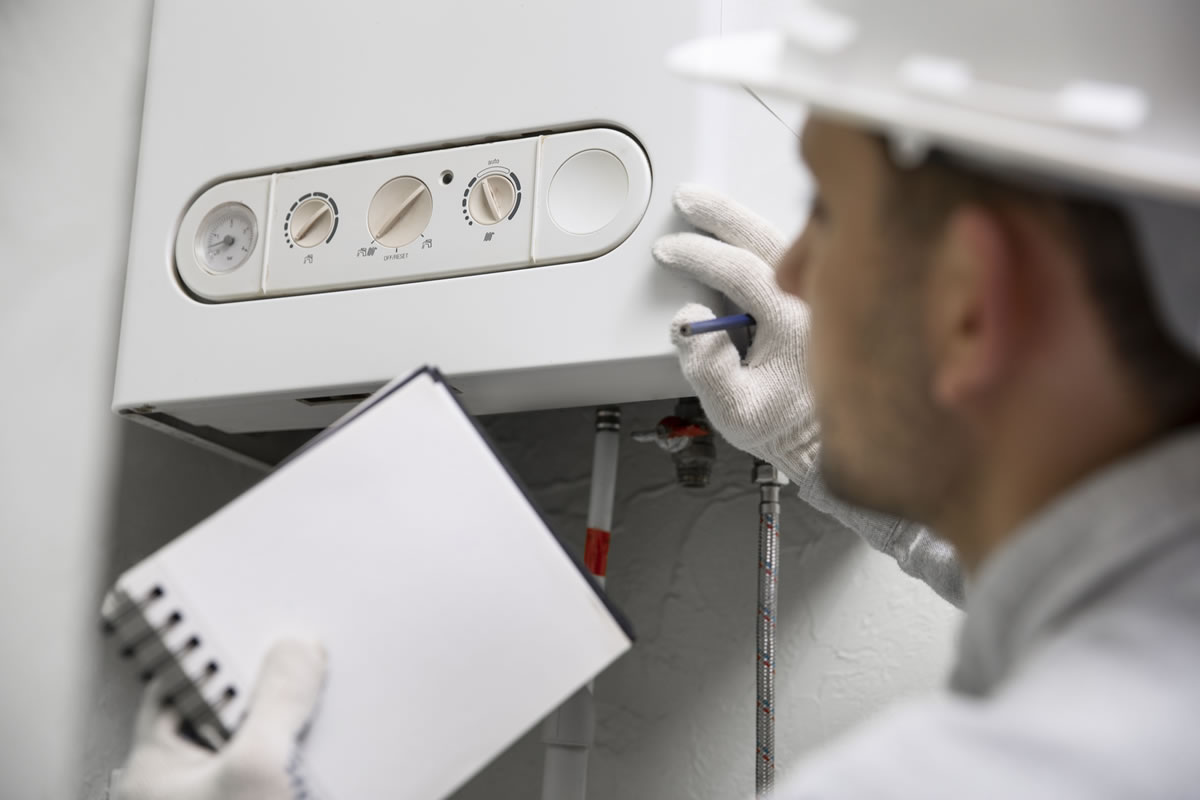
Alternative methods for treating water supplies
In most cases, though, other methods may also need to be adopted. The methods chosen will depend on the engineering aspects of the water systems, what the premises are used for, who uses them, and the nature of any potential contaminants entering the system. A few possibilities include:
- Chlorination
- Chlorine dioxide
- Other chemical treatments
- UV light
- Ozone
- Filtration
Other methods can be adopted too. For example, some water systems may have disused areas of pipework that encourage stagnant water to form. This increases the likelihood of contamination and the formation of biofilm occurring in that area. In turn, this can lead to a buildup of bacteria or other contaminants spreading throughout the water system. Removing such pipework can resolve any potential issues occurring in that area.
Hence the need for a thorough inspection and water safety or Legionella risk assessment, to identify the particular risk factors inherent in a water system.
While one approach may be ideal in one business, a different approach may be the best solution in another. In some cases, different steps might be required for certain areas of a much bigger site, i.e., a large or complex hospital, where vulnerable people may be at greater risk of contamination in some areas. An example might involve patients after surgery, compared to those who are visiting and therefore not exposed to the same level of risk.
Selecting the best water treatment approach to control waterborne pathogens
In every case, though, it is a matter of selecting the best approach for the treatment of the water system you are responsible for managing and maintaining. Hence the water safety risk assessment acting as a starting point. This should identify your risks and the best control methods to use in each case.
Where more complex buildings and water systems are concerned, an experienced, competent third party is often the ideal solution to help you find the best approach to take. Without sufficient water management expertise, anyone using the system could be at risk of infection or illness, and those responsible for managing it exposed to prosecution, fines and litigation.
Making sure you properly assess the risks and manage them with the best approach to water treatment is of paramount importance. You may well find that the best approach is undertaken by hiring an expert to help you.
Water safety specialists
Water Treatment Services offer a comprehensive range of Legionella and water safety services including risk assessments, water quality analysis and water treatment solutions to ensure the safety of your building water systems is maintained at all times.
With offices in London serving the South and South East England, Manchester (North West), Birmingham (Midlands), Bristol (South East England and Wales), Leeds (North and North East) and Glasgow (Scotland), supported by regional teams of specially trained technicians, in-field specialists and consultants we can offer professional, cost effective water management solutions across the whole of the UK and internationally.
Contact us today to learn how our Legionella and water safety compliance solutions can help you.