
What is Water Microbiology & How Can it be Used to Improve Water Quality?
In this article the water safety specialists at Water Treatment Services consider drinking water microbiology, why it’s important for maintaining safe water supplies and the prevention of contamination.
The article considers potable water supplies and who has responsibility for keeping them safe. It also highlights common contaminants of concern and how to treat water supplies once they enter a building or other facility to maintain water quality standards and keep people safe.
What is water microbiology?
Water microbiology describes the examination of microorganisms that inhabit water environments, including bacteria, fungi, yeast, viruses, protozoa, and algae.
The importance of water microbiology
When you turn on a tap, you tend to use the water that comes from it without thought. You assume it’s safe – and it should be. Most of the time, it is. Yet there are still cases where contamination can occur. That’s why drinking water microbiology is so important. It expands our knowledge of what might exist in our hot and cold water systems, and which microbes might put our health at risk.
How safe is tap water?
Across the UK, on the whole it’s extremely safe. Tap water is fine to drink, thanks to the services provided by local water companies across the country who are carefully regulated by organisations such as the Drinking Water Inspectorate (DWI). They take care of water quality up to the point of supply to all buildings that use it. From there on, it is up to the building owner or manager to maintain the quality of the water inside the building and the safety of its occupants. In terms of private dwellings, typically there is very little inherent risk in that type of water system. Yet the more complex a system becomes and the bigger the building and water system is inside it, the more challenging maintaining water quality to ensure it is safe to use as it can be.
You can’t assess the quality of drinking water by sight or smell alone …
In short, when the water supply enters a commercial building, the building manager takes on the responsibility for making sure the water supply remains safe to use. This is essential given the potential complexities of the building and its engineering services – something the water company cannot be expected to know.
How many microbes are in a glass of water?
According to our research, some 10 million bacteria are in the average glass of tap water. You can expect bottled water to contain millions as well. The thing to remember is that clean tap water will always contain harmless bacteria. Problems arise when dangerous forms of bacteria and other waterborne pathogens find their way into the water system.
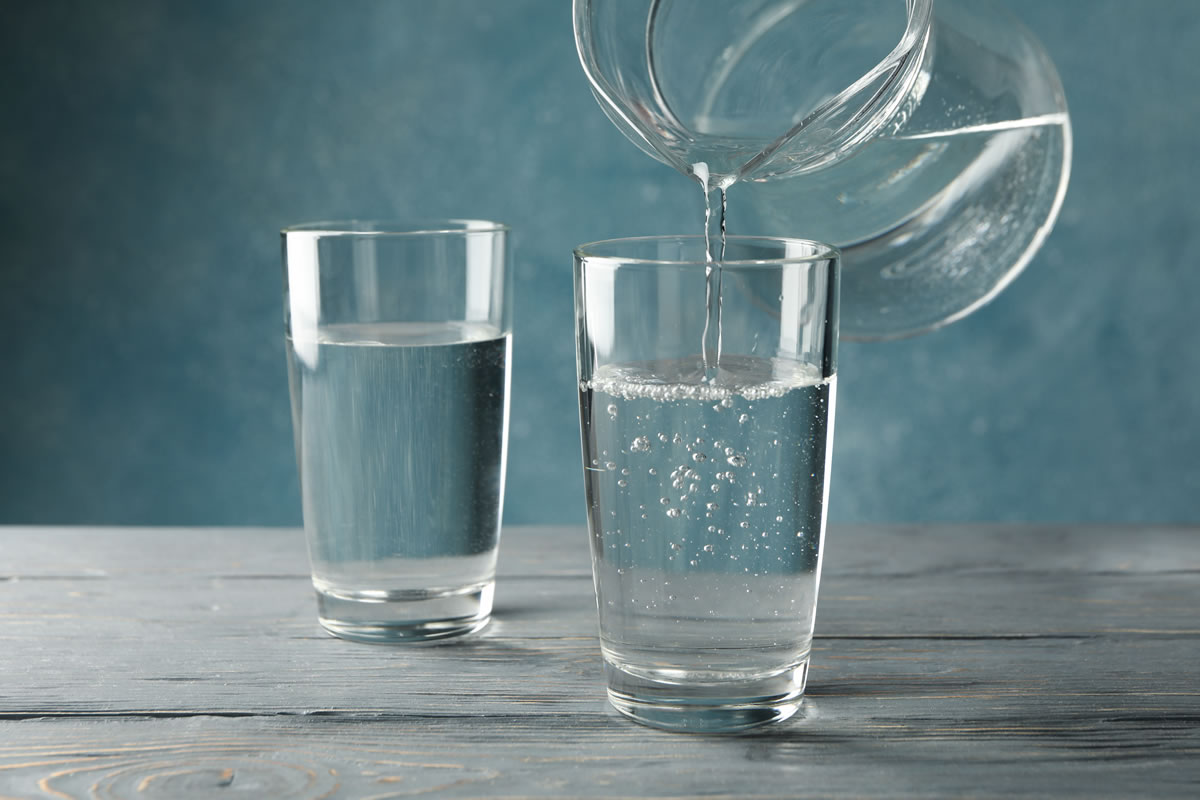
An important point to remember is that you cannot go by sight or smell either when assessing the quality of a glass of water. That’s why water companies take numerous measures to supply safe water – and it’s why building managers must take steps to treat the water in their own buildings, along with maintaining and cleaning the system. This should be done at regular intervals, along with conducting a risk assessment to identify the risks associated with the water system in that building.
What types of bacteria can grow in water?
Common types of bacteria found in water systems include the following:
Campylobacter
Drinking water infected with this bacterium can cause cramping, diarrhoea, fever and pain.
Cryptosporidium
A microscopic parasite that causes severe pain and diarrhoea.
E. Coli
Escherichia coli can cause severe stomach cramps, diarrhoea and vomiting. Young children and older adults can develop serious kidney conditions.
Giardia lamblia
A microscopic waterborne parasite that causes nausea, stomach cramps, bloating, and diarrhoea.
Hepatitis A
A highly contagious infection of the liver causing jaundice, dark urine and stomach pain.
Legionella pneumophila
This bacterium is responsible for the potentially life threatening Legionnaires’ disease, a serious pneumonia type condition affecting the lungs.
Non-tuberculous mycobacteria (NTMs)
NTMs can cause serious health issues such as pulmonary and lymphatic disease, and skin ulcerations. Those with underlying lung disease or depressed immune systems are more at risk.
Pseudomonas aeruginosa
This bacterium can cause ear, skin, eye and lung infections. It is more problematic in healthcare environments.
Salmonella
A common bacterial disease that can cause diarrhoea, fever, and headaches.
Filtering and disinfecting water to remove harmful bacteria and viruses
As we’ve already noted, some bacteria and microbes are not harmful and have positive roles to play when ingested. However, others that would not be so welcome include E. coli, Cryptosporidium, and Legionella.
It’s not just about bacteria and viruses either. Various contaminants can infiltrate a water supply by several methods. For example, aluminium can leach out of soil in the area. Some contaminants come from natural deposits, while others may be by-products from industrial or agricultural processes. While fluoride is added to water to make it safe to drink, excess amounts in drinking water can cause health problems relating to teeth and bones.
In most cases, there are guidelines on recommended maximum levels that have been put into place by the World Health Organization (WHO). This gives a guideline for those conducting water treatments, making it easier to ensure the levels of various contaminants remain within safe levels.
How to treat water supplies to ensure they remain safe?
Managing the safety of a building’s water supply may involve various procedures. A lot depends on the complexity of the building water services and what the water safety or legionella risk assessment may point to as a necessary process to adopt.
Controlling water temperature is a common approach used in many scenarios… often called thermal control. It’s one of the key methods for keeping control of Legionella in hot and cold water systems. However, there are other methods to consider as well, depending on the requirements of a specific system.

Chlorine can be added as a disinfectant – something you may commonly associate with swimming pools. Yet it is also added to UK drinking water, something many people may not realise. It’s been used as a common disinfectant for over a century. It’s added in small quantities, hence why you cannot taste or smell it. There should be no more than around 0.5 milligrams in every litre of water.
Another water disinfection method many people aren’t aware of involves light – ultraviolet light or UV. This is a good example of a method that is great for removing certain things but doesn’t touch others. UV light can kill all kinds of bacteria and viruses that are present in water, along with fungi and other similar undesirable microbes. However, it won’t touch any particulates present.
Ozone shares many of the powers that UV light delivers. It can also get rid of a range of bacteria, viruses, and other microbes. It’s also powerful enough to remove other elements too, such as iron. One big benefit is that it introduces a minimal number of by-products, giving it another powerful plus point to consider.
What is the best way to treat water in your building?
If you are responsible for the control of Legionella and water safety in a commercial building, by law you must conduct a risk assessment to determine the risks that are present within the water system. The ideal scenario is to remove risks if at all possible. If this is not practical, steps should be taken to minimise those risks to bring them within acceptable levels.
In some cases, a combination of treatments may be required to provide safe water supplies for all those using the building. You should also consider how the water is going to be used, whether this is for drinking, for use in process systems, for cooling towers, or other purposes. In many instances, different methods may be required in different parts of the building or premises.
Getting expert help from water safety specialists
Many people find it best to consult an external company for these purposes. A water safety specialist will provide independent experts who are trained and experienced in conducting legionella risk assessments on all manner of water supplies. They can also advise on the best approach to making sure the relevant water treatments and tests are done to maintain the safety of the system in the building.
In this sense, it is not necessary to possess an in-depth knowledge of water safety, its contaminants, and other relevant details. If you employ an expert company to do this for you, you can be sure of getting the best – and safest – outcome.

Water safety specialists
Water Treatment Services offer a comprehensive range of Legionella and water safety services including risk assessments, water quality analysis and full water treatment solutions to ensure the quality and safety of your building water systems is maintained at all times.
With offices in London serving the South and South East England, Manchester (North West), Birmingham (Midlands), Bristol (South East England and Wales), Leeds (North and North East) and Glasgow (Scotland), supported by regional teams of specially trained technicians, in-field specialists and consultants we can offer professional, cost effective water management solutions across the whole of the UK and internationally.
Contact us today to learn how our water safety and analysis solutions can help you.