
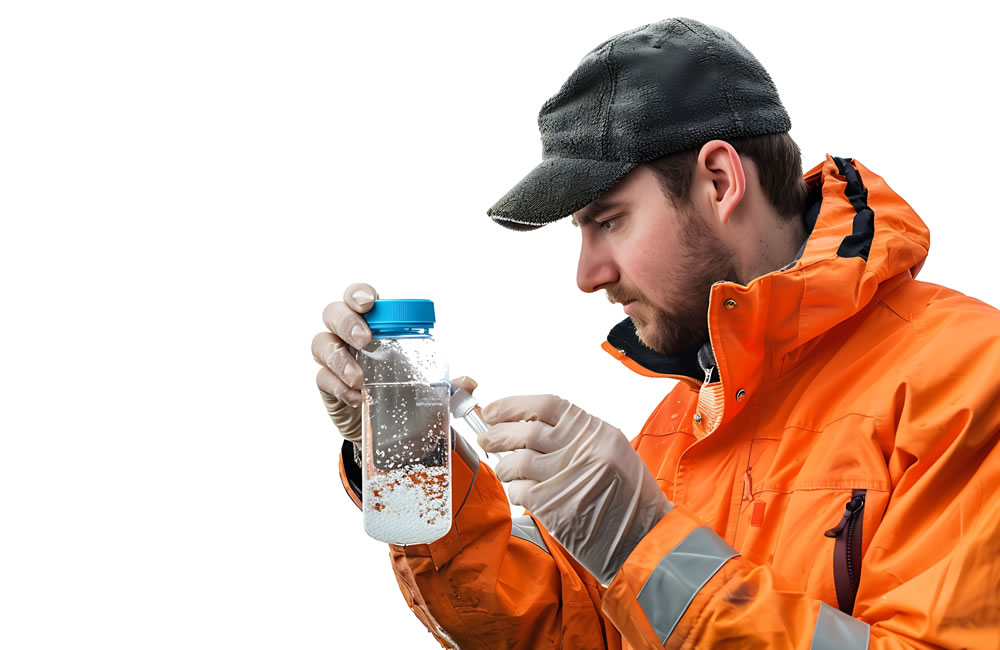
Water Quality Assessment: 3 Key Areas for Safe Water Systems
Assessing water quality is a fundamental part of managing any hot and cold-water system, whether in a commercial, public or residential setting. While drinking water standards are tightly regulated, those responsible for water safety must look beyond compliance and consider the wider risks that can affect the quality of the water used throughout a building or facility. A thorough understanding of biological, chemical and physical factors is essential to ensure water remains safe, clean and suitable for its intended use.
This article explores the three key areas that should be the focus of any water quality assessment. It explains the common sources and risks associated with biological contamination such as bacteria, viruses and algae, before examining chemical indicators including pH levels, metal solubility and biological oxygen demand. Finally, it looks at physical signs of contamination, from turbidity and discolouration to temperature control, highlighting why regular monitoring and effective risk assessment are critical to maintaining safe water systems.
The importance of water quality assessment
In the UK, the Drinking Water Inspectorate or DWI is the independent regulator of drinking water supplies across England and Wales. However, water safety goes beyond making sure we have safe drinking water. If you are responsible for the safety of a hot and cold-water system, you must be aware of water quality and take all necessary precautions to ensure it is safe to use.
This doesn’t just cover the provision of drinking water though. It also covers the provision of safe water supplies for showers, baths, swimming pools, hot tubs, cooling towers, and other aspects of a water system.
In this guide, we will focus on three key areas you must consider when assessing and maintaining water quality and safety for your business or organisation. The three key areas to focus on are:
- Biological
- Chemical
- Physical
1. Biological contamination of water supplies
There are three key types of biological contaminants that can occur in a water supply or system:
-
- Bacteria
- Viruses
- Algae
Bacterial contamination can occur when the conditions are ideal for bacteria to find a food source to help them grow and multiply. Legionella bacteria will be familiar to many, especially those who are responsible for managing water safety in a business or organisation of any size. If the water temperature is within the ideal range (20-45 degrees Celsius) and the system is insufficiently cleaned, maintained, and treated, bacteria may have the opportunity to grow. This could potentially lead to an outbreak of Legionnaires’ disease. Of course, there are other bacteria that can also cause issues for anyone who uses the water system.
Any water-focussed risk assessment should also consider the presence of viruses. The typical approach to combat these is to introduce disinfectants at regular intervals and to test the water to ensure viruses are within safe limits.
Algae can also present a significant risk to anyone or anything using the water supply. Fortunately, it produces clear visual signs, cloudy water, an algal bloom on the surface, and other indications of contamination. It may also produce an odd smell.
Blue-green algae, also known as cyanobacteria, presents a particularly high-risk factor to consider. Water quality testing can again provide accurate results indicating whether any algae is present in the water sample.
2. Chemical contamination
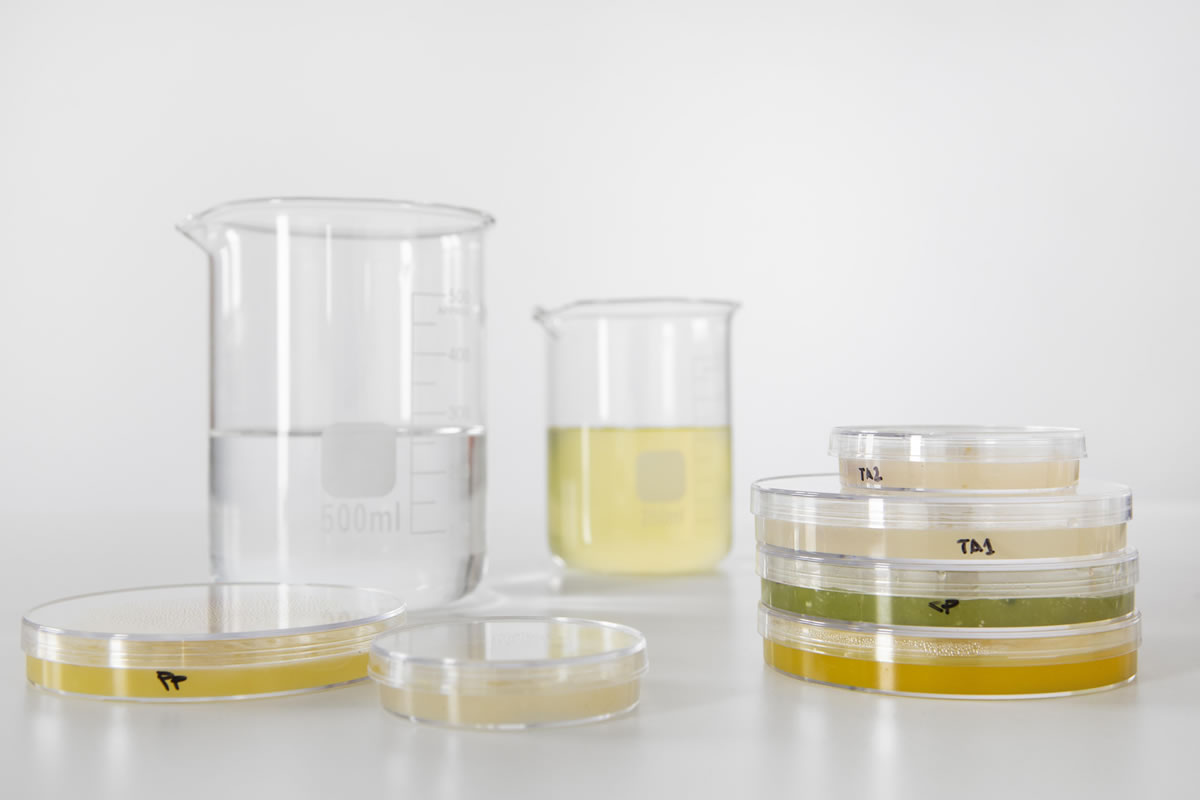
The first indication of water quality in a chemical sense is the pH level. Safe drinking water has a pH of between 6.5 and 8.5. Regular and simple testing procedures can ensure pH levels remain within these parameters.
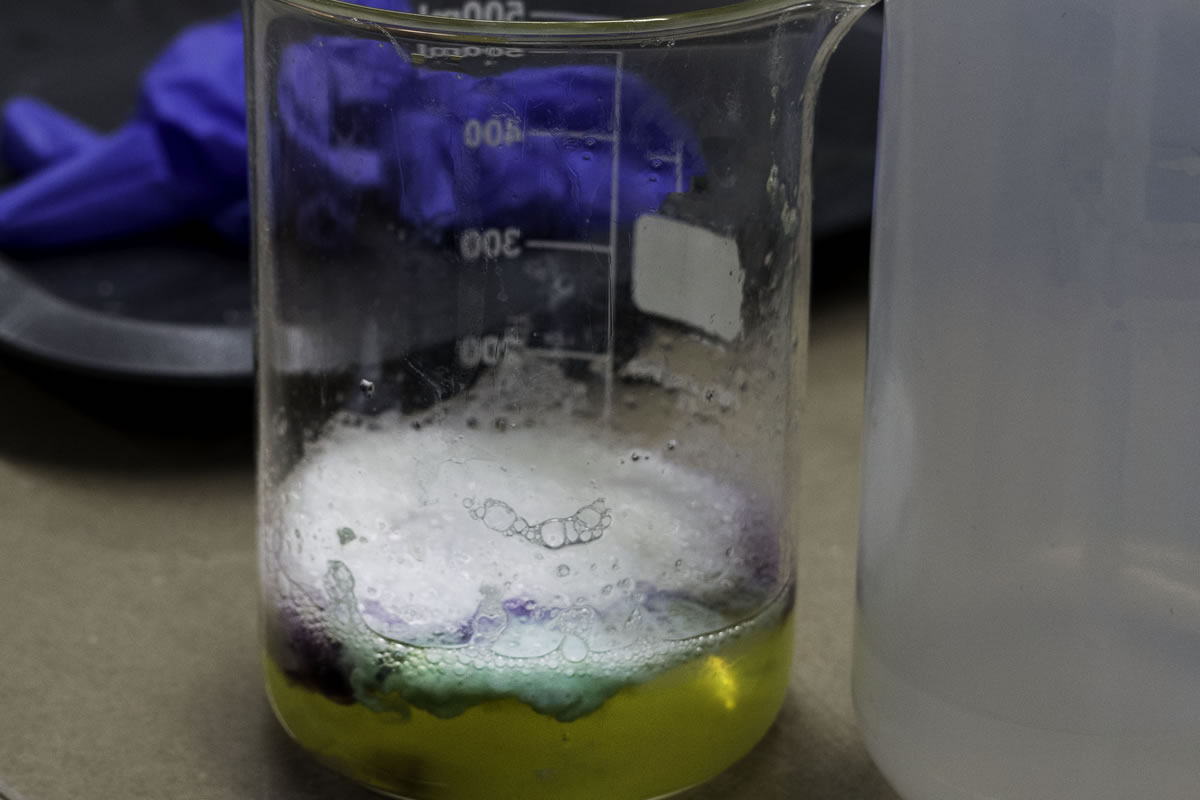
If the water is too acidic, it can lead to corrosion within the system. This in turn can lead to various metals, such as copper and lead, to become soluble and enter the water supply. High acidity may also make chemical water treatments less effective, which in turn provides a greater chance of microbes developing and multiplying in the water.
Meanwhile, raised alkalinity levels may suggest an increase in ions in the water. These ions can pollute to degrade water quality presenting a health hazard if they are present in sufficient quantities.
It is also wise to check biological oxygen demand levels or BODs, as these can provide clues on how much organic pollution the water may contain. High BOD levels will need to be addressed to remove any inherent risk to human health.
3. Physical contamination of water
When dealing with physical contamination of water, the first question to ask is what does the water look like? Water should be visually clear and free of contaminants. While some are impossible to see with the naked eye, we all recognise that cloudy water is unsafe to drink or use in any manner.
This is known as turbidity. If the water is cloudy, it has a high level of suspended particles in it. These could be made up from organic matter or microscopic organisms or even algae. While a simple visual check is a quick first line of defence, special turbidity sensors can identify lower levels that may still cause issues with water quality.
Water colour is another good indicator of potential issues. A swimming pool is a good example of how visual checks are an essential first step here. If the water appears anything other than blue (assuming there are blue tiles or liners in place), it can indicate algae, iron oxidisation, or iron deposits causing a reaction with the chlorine in the water.
Temperature should also be regularly checked to ensure it is within safe parameters. For instance, Legionella bacteria most readily multiples in water temperatures of between 20-45 degrees Celsius. Thus, cold water should be stored at a lower temperature and hot water should be stored and supplied above this temperature to minimise the chances of any unwanted bacterial growth.
Water quality assessment and risk mitigation
This guide covers multiple aspects to consider and check when focusing on water quality and safety. Of course, members of the Water Safety Group (WSG) should consider all relevant risk factors that could be present in the specific water system they are responsible for. Only then can you take a proper and sufficient approach to maintaining water safety 24/7, whether this is in a hotel, a hospital, or an office building.
A hospital will have far more complex water systems than a small office building. Both should make sure they adhere to all current water safety rules and regulations, but a more detailed approach will be required to consider all potential risk factor in a hospital.
Water safety risk assessment
As always, a water safety risk assessment is the first step to ensuring water quality can be maintained and a system is safe for everyone to use. This will highlight all potential physical, biological, and chemical risk factors that may be present and should be considered when maintaining a high degree of water quality. Some factors may be more likely to occur in some situations than others, but you should always be aware of all risks when conducting the risk assessment.
Since many aspects of water safety require extensive knowledge, it may be prudent to enlist the help of experts to ensure nothing is missed. Few people will have sufficient knowledge of all physical, biological, and chemical risk factors. This could lead to something being missed, something that could put individuals at risk.

In conclusion
Maintaining safe water systems is an ongoing responsibility that extends far beyond initial compliance checks. By regularly assessing biological, chemical and physical indicators, duty holders can identify potential risks early and take appropriate action before problems develop. This proactive approach not only helps to protect the health of building occupants and users but also supports the long-term efficiency and integrity of the water system itself.
Ultimately, effective water quality management relies on a clear understanding of the risks present and a commitment to regular monitoring, maintenance and review. Whether you are responsible for a small office or a complex healthcare facility, focusing on these three key areas provides a solid foundation for safeguarding water quality. When combined with a robust risk assessment and, where necessary, expert support, it ensures water systems remain safe, compliant and fit for purpose day in, day out.
Expert water quality assessment and support
Understanding and managing water quality is central to protecting people, assets and operations. As outlined throughout this guide, effective assessment requires careful consideration of biological, chemical and physical factors, supported by regular monitoring and a clear understanding of how risks can develop within a water system. Taking a structured, informed approach not only helps to safeguard health, but also supports regulatory compliance and the long-term performance of water systems across all types of premises.
For organisations seeking specialist support, Water Treatment Services provides expert water testing and tailored treatment solutions across a wide range of sectors. From detailed sampling and analysis to water safety risk assessments and ongoing management programmes, their experienced team works closely with clients to identify risks, implement effective controls and maintain safe, efficient water systems.
Contact Water Treatment Services today to discuss how professional expertise can help you meet your water safety responsibilities with confidence.