
Water Treatment Chemicals for Industrial Water Systems
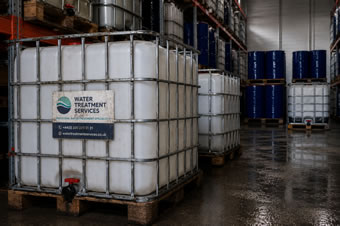
Water Treatment Services offer a full range of high-performance water treatment chemicals for industrial water systems.
If you are responsible for using or maintaining cooling water systems, steam boilers, or similar process plant and equipment, you’ll know how important it is to focus on water quality. If you don’t pay attention to it, you could soon find equipment that was previously reliable and operating efficiently beginning to develop expensive problems.
Industrial equipment requires regular maintenance, checks, and expert water treatment to make sure it continues to run without issue. Even if things seem to be running fine now, you may have a cooling tower, steam boiler, or other piece of process equipment that is fast developing internal scale, microbiological fouling, or silently corroding out of sight.
Fortunately, Water Treatment Services makes it easier for you to protect and maintain your equipment no matter whether you’re based in the UK, Ireland, or overseas. We supply high-performance industrial water treatment chemicals suitable for treating a range of plant and equipment including:
Contact our experienced consultants today to find out how we can help. We can provide you with high-performance chemicals for water treatment applications, water analysis, independent consulting advice, or a complete water treatment programme all according to your needs.
Industrial water treatment chemicals at competitive prices
We have years of experience developing and formulating some of the most effective water treatment chemicals available on the commercial markets. They are used in all manner of industrial water systems and demanding process water applications. If you’ve adopted a standard “one-size-fits-all” approach to water treatment, you may not be getting the results you’re hoping for.
Different water systems operate in different ways. Plant designs vary. The water quality can vary. So too can required operating temperatures and metallurgy factors.
By identifying the factors inherent to your water system or equipment, we can create a unique water treatment programme that helps you to:
We can also provide ongoing monitoring and technical support where required, ensuring that you have the best targeted approach to take care of your water systems. We can help you achieve the following:
Our expert water treatment services also reduce the potential for downtime stemming from equipment failure, scaling, bacterial issues, and increased maintenance – all of which have a significant effect on production, ongoing operations and cost.
Talk to one of our water chemical specialists today to find out how we can help. We provide practical technical advice, water analysis services, training for technicians, and continual support to make sure you gain the maximum benefit from our services.
Water treatment chemicals to suit every application
Far from providing a “one-size-fits-all” service, we provide a wide range of advanced technology chemicals to suit many different applications for industrial and commercial water systems of all kinds including:
We can provide you with a single individual chemical product or create a fully managed water treatment programme to suit your specific requirements. In every case, however, we provide detailed, practical, and cost-effective solutions with one aim in mind – to help you keep your water systems optimised and equipment running smoothly.
One of the biggest misconceptions we encounter is that water is simply water. But in reality, even visually clean water contains dissolved minerals, gases and microorganisms that can cause serious issues inside industrial water systems.
What are water treatment chemicals?
Water treatment chemicals are specially formulated chemical products used to maintain water quality in domestic, industrial and recreational water systems. They are used to control problems that reduce safety, water quality, system efficiency and damage plant and equipment including corrosion, scaling, fouling and microbiological growth.
Different product formulations are used to treat and protect industrial water systems including steam boilers, cooling towers, closed heating and chilled water systems, process water and wastewater treatment plant. They help to keep water systems operating safely, efficiently and reliably.
Why is water chemistry so important?
If you pour a glass of water, it may well look clear. It’s just water? Yet, of course, it’s not. Even if the water is indeed crystal clear, it’s likely to contain several things including:
Even though you cannot see them, all these things have the potential to cause serious issues when present in a water system. We aim to treat and remove them to keep the water flowing, your equipment running smoothly and your bills under control.
You may be surprised to learn that it only takes a few millimetres of scale build-up to cause a significant drop in efficiency in a boiler. The spread of corrosion, unseen and formed over several years inside a closed system, can block strainers and lead to serious issues with circulation. Fouling and biofilm can combine to reduce heat-transfer performance.
Yet it’s possible to avoid these issues altogether. A carefully tailored water treatment programme will resolve issues and avoid future problems, keeping everything running smoothly, energy costs under control, and reducing maintenance and costly repairs. Indeed, you may well save money when you invest in a specific treatment programme from our experts.
Our water treatment chemicals can help you improve efficiency, maintain water hygiene, and protect valuable equipment for longer.
Water treatment chemicals for industrial and process applications
Every water system is unique. Steam boilers work differently to cooling towers. Closed systems have different risk factors compared to those exposed to the elements.
Choosing an effective water treatment programme begins with considering how the system works, the water it uses, and the issues that may affect that system. You can achieve the best results by creating a water treatment programme specifically designed for your water system.
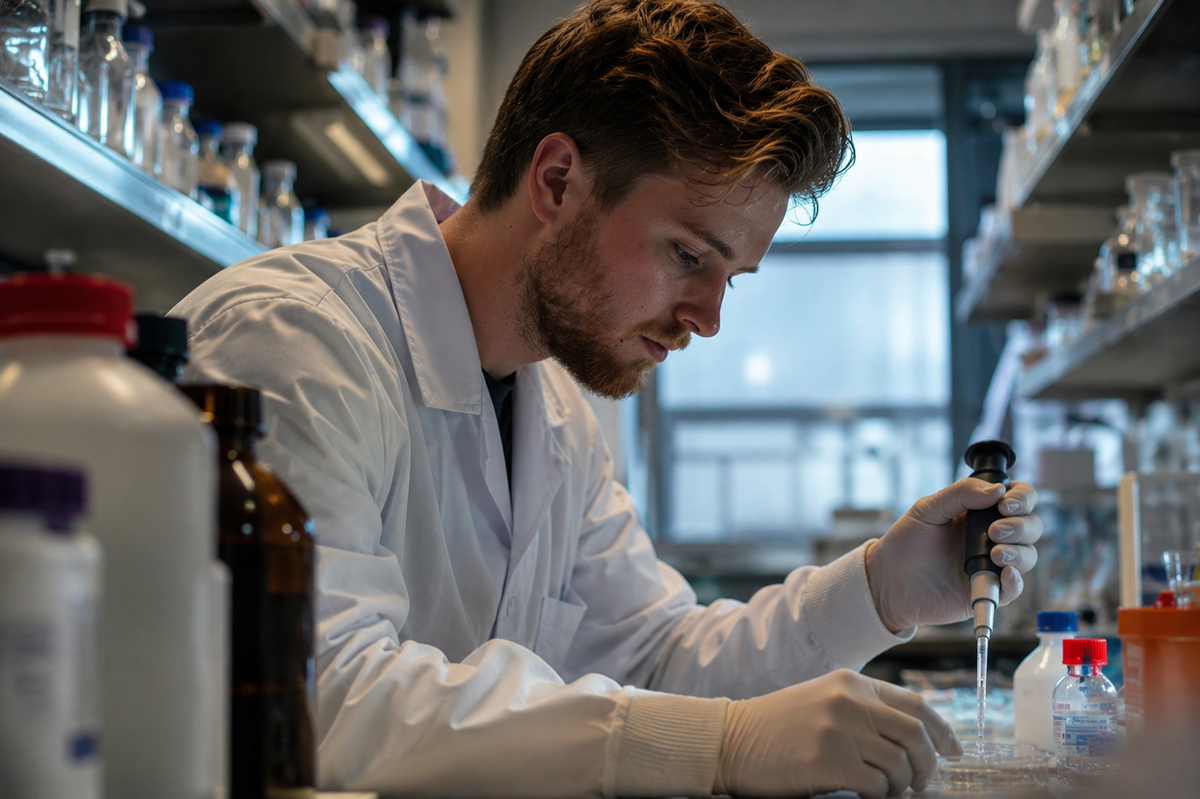
Boiler water treatment chemicals
If you’ve invested in a steam boiler, you must make sure you maintain the correct water chemistry. A tailored water treatment programme will help you do this.
We’ve found that scale and oxygen corrosion are the two biggest causes of reduced performance in steam boilers. Even tiny deposits increase fuel consumption by affecting heat transfer surfaces. Dissolved oxygen attacks steel surfaces and can lead to premature failure.
We can help you prevent these issues with our boiler water treatment chemicals. Our product range includes:
Oxygen scavengers
Dissolved oxygen causes corrosion in steam generating systems. Oxygen scavengers work by reacting with oxygen in the boiler water before it can cause damage, protecting the boiler shell, condensate system, and feed lines.
Phosphate treatments
Phosphate based products are a popular option to control hardness salts and prevent scale forming on boiler heat transfer surfaces. When applied correctly, they support efficiency and effective control of blowdown.
Alkalinity builders
Protecting boiler metalwork requires the correct pH and alkalinity levels. Alkalinity builders achieve this and help other water treatment chemicals work effectively too.
Condensate line inhibitors
Carbon dioxide dissolved in steam condensate can lead to acidic conditions that generate corrosion in the condensate return system. Steam condensate treatment chemicals will protect the pipework, extending the life of the return system.
Polymer dispersants
Polymer dispersants prevent suspended solids causing boiler deposits. This mobility ensures better blowdown efficiency.
With the right boiler water treatments, your industrial steam boiler systems will be more efficient, last longer, and incur fewer breakdowns or issues.
Cooling water treatment chemicals
Open evaporative cooling systems are challenging to manage as they’re exposed to the atmosphere. When water evaporates, any dissolved solids present become more concentrated. If this is ignored, microbiological contamination becomes a far bigger risk.
Many cooling system issues we’ve seen over the years – such as scale, biofilm formation, and corrosion – were preventable. Invest in the right cooling water treatment chemicals now and you can keep your system clean and safe, improve heat transfer, and maintain excellent water treatment management.
We provide a range of high-performance cooling water scale inhibitors, biocides, and corrosion inhibitors we can tailor to your system’s specific requirements.
Corrosion inhibitors
Individual metals have specific corrosion characteristics. Cooling water corrosion inhibitors protect metal surfaces and ensure a longer life.
Scale inhibitors
Dissolved minerals concentrated in cooling towers and similar equipment can quickly lead to deposits on heat exchange surfaces. Scale inhibitors prevent these from occurring, leading to better thermal efficiency and energy usage.
Oxidising biocides
Oxidising biocides quickly control and limit the presence of bacteria, algae, and microorganisms.
Non-oxidising biocides
These are ideal to help reduce the presence of organisms that may not be affected by oxidising biocides. Both oxidising and non-oxidising biocides are often used together to provide improved microbiological control.
Dispersants
Dispersants are designed to remove suspended solids, dead biomass, and other organic materials from building up inside a cooling system. This reduces fouling and provides an ongoing cleaner performance.
Put simply, continual, targeted maintenance of your cooling systems ensures greater efficiency, effective Legionella control, and less chance of any unplanned downtime.
Closed system treatment chemicals
Many view closed heating and chilled water systems as low maintenance. However, you must still maintain good water quality otherwise they can still deteriorate.
It’s important to maintain inhibitor levels and monitor make-up water to ensure you do not add too much. Those are among the key issues we’ve seen in poorly maintained closed heating and chilled water systems in the past.
If you keep the water clean and protect the system against corrosion, it should be stable and require little or no other intervention. We provide an excellent range of advanced closed system treatment chemicals for this purpose.
Nitrite inhibitors
Nitrite based products are popular corrosion inhibitors ideal for steel-based closed systems. They work by forming an oxide layer on internal surfaces to protect against corrosion.
Molybdate-based inhibitors
Molybdate treatments work well in mixed-metal systems, ensuring corrosion protection for the long term.
Closed system biocides
While closed systems are less likely to incur biological contamination, they can still develop biofilm and bacterial growth. We have developed a range of biocides specifically to cater for chilled and closed water systems.
Glycol inhibitors
Glycol provides frost protection. However, you’ll need an additional inhibitor package to ensure your closed system doesn’t fall victim to degradation and corrosion.
pH correction chemicals
These ensure your water system operates with the correct pH, thereby ensuring the overall water treatment works as it should.
Closed systems require tailored water treatments to make sure they work well and remain stable for years. This in turn ensures that all components remain clean, work efficiently and enjoy the longest life.
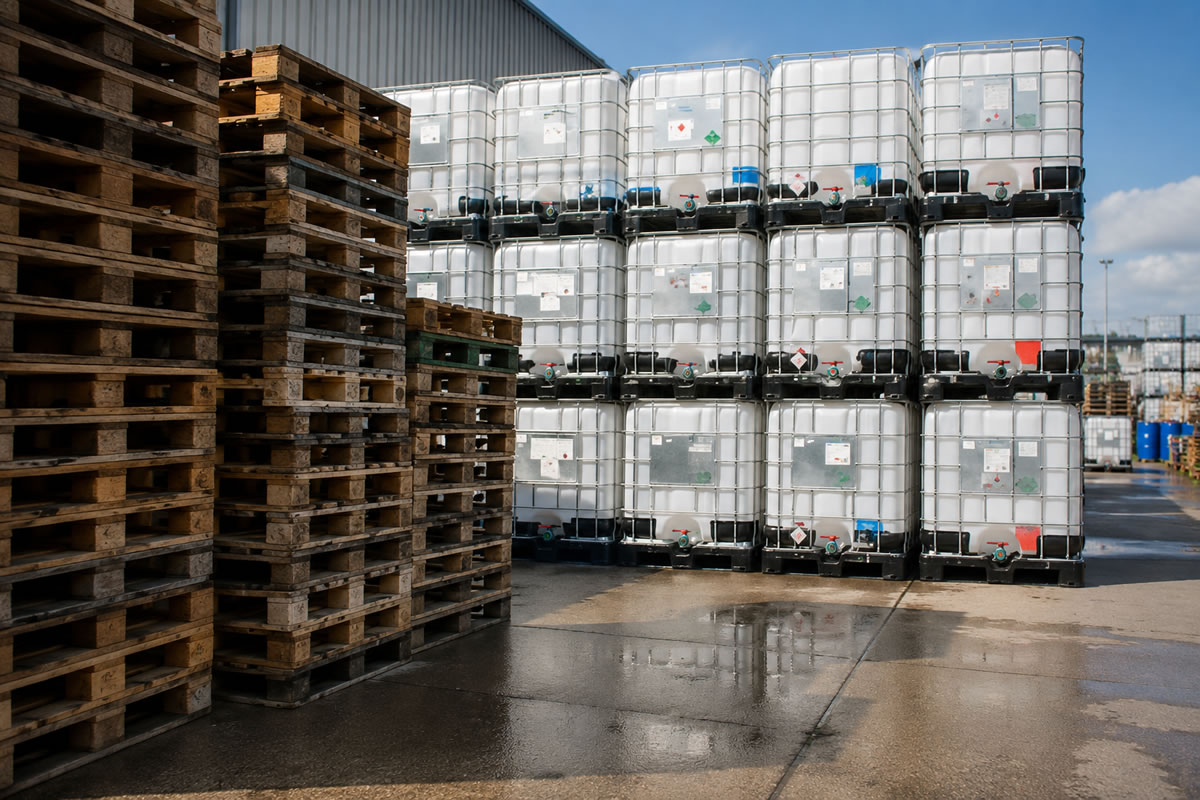
Reverse osmosis chemicals
Lots of industrial processes involve the use of reverse osmosis to improve the quality of the water they need to operate, particularly in boiler feedwater pre-treatment programmes, and in high-tech sectors such as pharmaceuticals and electronics.
While RO membranes work well in this respect, they can easily develop scale, fouling, and biological contamination. Deterioration leads to costly repairs and cleaning, ultimately leading to premature membrane replacement and downtime.
We provide specialist reverse osmosis chemicals to help extend the life of your membrane, leading to better water quality and improved efficiency.
Antiscalants
RO antiscalants help prevent deposits forming on membrane surfaces. They contribute to better long-term performance, and limit early failure.
Membrane cleaning chemicals
Regular cleaning with carefully selected chemicals removes membrane fouling, ensures greater efficiency and extends longevity.
Biocides
RO biocides combat biological contamination, containing growth and preventing the formation of biofilm.
pH adjustment chemicals
These ensure the correct pH is maintained, ensuring better membrane performance and component protection.
Dechlorination chemicals
Chlorine can have a harsh effect on reverse osmosis membrane materials. Dechlorination chemicals can provide protection against permanent membrane damage.
Every reverse osmosis plant is unique. That’s why we provide water treatment programmes designed around individual systems. We develop treatment programmes based on feedwater quality, site conditions, and the design of the system itself.
Reverse osmosis systems provide high-quality water in an efficient manner. However, they will only work well if treated in the correct manner – and that’s something we can help you with.
Good water treatment should never be viewed as an expense. It’s one of the most cost-effective investments you can make to protect expensive boilers, cooling systems and process plant.
Specialist water treatment chemicals
Our years of experience in the industrial water treatment industry have helped us identify several familiar causes for water treatment problems:
Fortunately, we can prevent those problems from occurring, providing we have a targeted water treatment programme in place to do so. You can avoid a problematic water system and enjoy a system that runs smoothly and cost effectively to provide continual reliability and service with our expert help.
Corrosion inhibitors
Corrosion is a major problem in industrial water systems. It’s also one of the costliest if it isn’t identified and tackled promptly.
Often you cannot see corrosion in its early stages. However, when a water system begins to develop problems with leaking pipes, blocked strainers, and equipment failures, corrosion is often identified as the issue.
Corrosion by-products such as oxides, hydroxides and carbonates can circulate around a water system for years before they are found to be the root cause of a problem. Unfortunately, at this point, remedial works are often costly – far more so than investing in a long-term water treatment inhibitor programme to start with.
Corrosion inhibitors work by laying down a protective film on metal surfaces, changing the water chemistry and reducing the chances that corrosion can occur to start with.
Common corrosion inhibitors
Sodium nitrite
Sodium nitrite is one of the most popular inhibitors for closed heating and chilled water systems. It creates a passive oxide layer on steel surfaces. With ongoing maintenance, it provides outstanding protection.
Molybdate-based treatments
These inhibitors are ideal for systems made from two or more metals. Relatively low concentrations ensure long-term protection is achieved.
Phosphate-based inhibitors
Phosphate inhibitor treatments are commonly used for boiler and cooling water applications. They reduce corrosion and control scale formation.
What are the advantages of using corrosion inhibitors?
Corrosion inhibitors help maintain water systems in several ways:
- They protect pipework and plant components
- They extend the life of the equipment
- They reduce the chance of breakdowns and leaks
- They reduce ongoing maintenance costs
- They improve reliability
Scale inhibitors
Scale can and does occur in all kinds of water systems, especially in hard water areas. It’s one of the biggest issues you can face, with the formation of relatively little scale causing much bigger amounts of energy to be expended because of poor heat transfer. This in turn can drive up energy and operating costs significantly.
Fortunately, you can prevent most scale problems happening by introducing scale inhibitors. They disrupt crystal growth, stopping calcium, magnesium, and other dissolved minerals from creating hard deposits inside pipes, boilers, and other components.
Common scale inhibitors
Phosphonates
Phosphonates are among the most popular antiscalants used in industrial water treatment. They control calcium carbonate deposits and prevent other mineral deposits in a wide range of cooling systems, boilers, and other applications.
Polyacrylates
Polyacrylates are specialist polymers that help salts to disperse in the water, reducing the chances that those salts will form deposits inside the system.
Polymer dispersants
Often used together with phosphonates, polymer dispersants help control deposits in the system, ensuring heat transfer surfaces remain clean.
What are the benefits of scale inhibitors?
Reducing and managing scale has several major advantages:
- Maintain or improve heat transfer efficiency
- Reduced fuel consumption
- Lower energy costs
- Less downtime
- Less maintenance required
- Longer equipment life
Adding scale inhibitors suited to your water system means you can affordably and actively manage and improve overall plant efficiency.
Water treatment biocides
You must manage and limit the bacteria, algae, and fungi inside your water systems. Not only can untreated microorganisms form biofilm layers that can harm your system and reduce its efficiency, but they can also introduce potentially serious health and safety dangers, and regulatory compliance issues caused by the growth of bacteria such as Legionella and Pseudomonas.
Preventing biofilm is always preferable to managing it once it develops. It’s also a far cheaper and safer approach. In short, the control of biofilms are an essential feature in water treatment programmes.
Oxidising biocides
These work quickly and often provide a routine control measure to manage microorganisms. Our oxidising biocides include:
- Chlorine (Sodium hypochlorite)
- Chlorine dioxide
- Bromine (Sodium bromide-based) treatments
- Silver-stabilised hydrogen peroxide
Such products kill microorganisms by oxidation, and work well in various cooling systems and process water applications.
Non-oxidising biocides
These use different mechanisms to kill microorganisms. Many water treatment programmes combine oxidising and non-oxidising treatments to provide even better protection. Our non-oxidising biocides include:
- Isothiazolinones
- Glutaraldehyde
You can achieve better control of microorganisms by alternately treating the water system with different biocides. This helps tackle potential issues such as resistant organisms.
What are the advantages of biocides?
Using biocides in industrial water systems helps in several ways:
- Better system hygiene
- Reduced biofilm levels
- Better system efficiency
- Lower microbiological risk
- Better system reliability and safety
Dispersants and deposit control chemicals
Many industrial and process water systems contain deposits formed from suspended solids, organic debris, and corrosion by-products. Dispersants can help control and remove these contaminants, helping to maintain a clean system.
Dispersants prevent particles from settling on surfaces. Instead, they keep them suspended in the water for easy removal via filtration or other means.
Our chemical dispersants include:
- Polymeric dispersants
- Acrylic copolymers
- Deposit control polymers
What are the benefits of dispersants?
Adding dispersants to water systems will help achieve several things:
- Cleaner systems
- Greater efficiency
- Lower maintenance costs
- Less fouling
- Better heat transfer
- Better blowdown performance
Oxygen scavengers
Dissolved oxygen is a major threat to a steam boiler. When uncontrolled, it can lead to pitting corrosion and major damage to feed tanks, condensate systems, and the boilers themselves.
Oxygen scavengers react to the presence of dissolved oxygen, removing the threat it poses to metal surfaces in the system.
Our oxygen scavengers
Sodium sulphite
Long established and successful, sodium sulphite provides an economical solution to managing dissolved oxygen in low- and medium-pressure boiler systems.
Carbohydrazide
Suitable for high-performance applications, carbohydrazide is a good option where you require lower dissolved solids.
What are the benefits of oxygen scavengers?
Introducing these into your water system can bring multiple benefits:
- Protection against oxygen pitting in metal
- Reduced levels of corrosion
- Better boiler reliability
- Longer equipment life
- Lower maintenance costs
Our experience tells us that controlling dissolved oxygen in a water system is one of the easiest and best ways to protect steam plant components.
pH and alkalinity control chemicals
Excessive acidity in water encourages corrosion. Conversely, excessive alkalinity makes scale formation more likely and can cause carryover problems in boilers.
Thus, a balanced pH is essential. We provide a range of speciality chemicals offering pH adjustment features. These include:
- Sodium hydroxide
- Sodium carbonate
- Acid-based correction chemicals
These products help establish stable operating conditions. The treatment programme can then proceed as intended.
Why does water chemistry matter?
A single water treatment chemical alone is often insufficient to maintain a healthy water system. When we develop a water treatment programme, we consider the water chemistry to help us understand the specific requirements of that system.
Once we understand the water chemistry, we can then select the relevant chemicals to provide a balanced and controlled approach. We base our successful water treatment programmes around balance, consistency, and monitoring to ensure we get the results we want to achieve.
It doesn’t mean adding lots of chemicals either – in fact, the most successful programmes usually involve a simple approach. This makes it easier to continue treating and maintaining the water system over time.
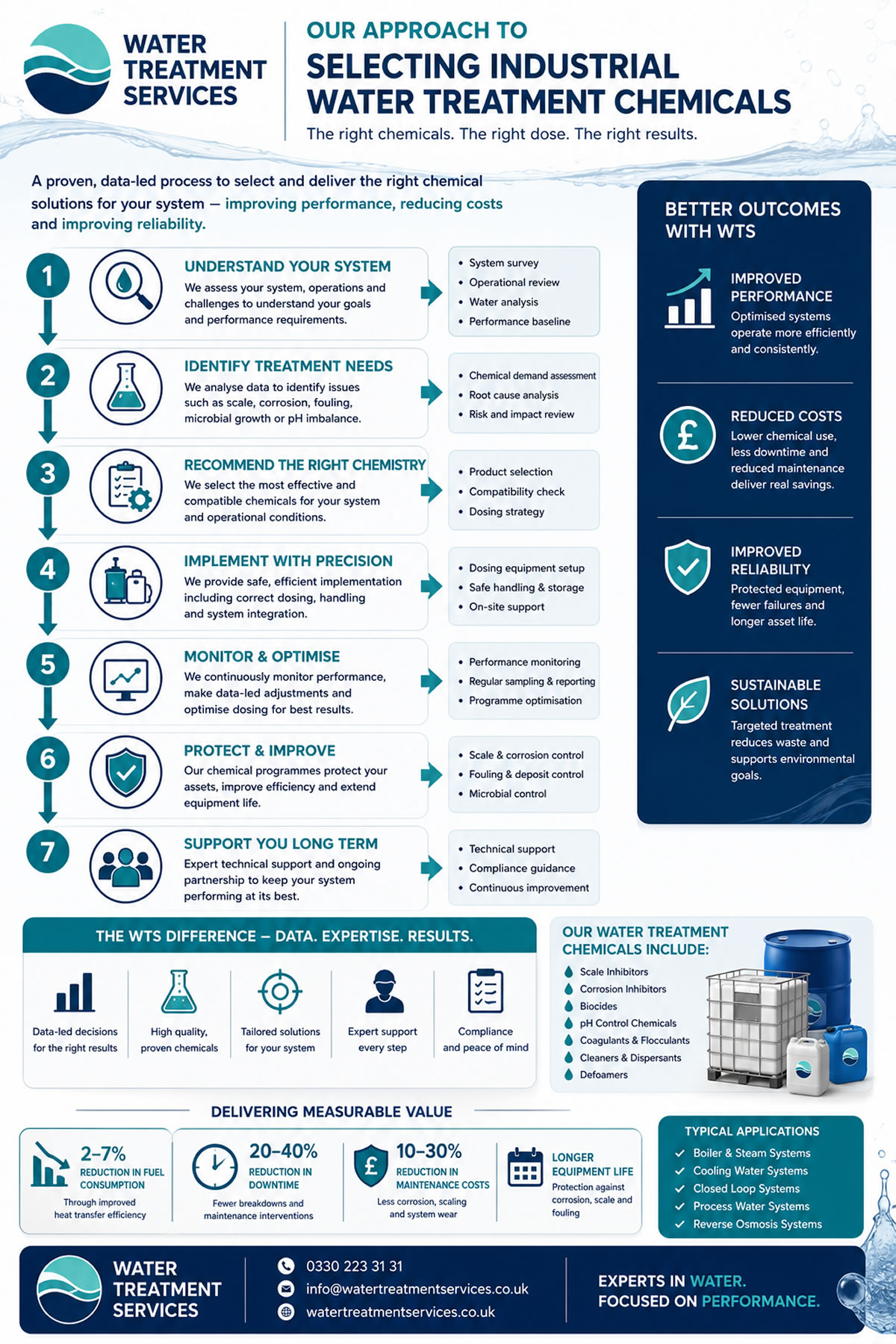
How we select the best water treatment chemicals
There is no such thing as a “one-size-fits-all” approach when it comes to an industrial water treatment programme or package. Every site, every system is different and therefore requires an individual approach.
It’s possible for one treatment regime to work beautifully at one site and to fail at another – simply because the two water systems are so different.
Understanding industrial water systems
Our specialists will not recommend any treatment chemicals until they understand all aspects of the water system to be treated. This involves looking at several aspects:
Individual sites have individual factors to consider. Evaporative cooling towers are exposed to the elements, whereas a closed water system is not. An older process system may already have scale formation and biofilm to deal with, whereas a newly installed system will not have reached that stage.
Once we have identified the various factors involved at a specific site, we can then begin to work on a tailored treatment plan.
Water quality analysis investigations
Even when water appears crystal clear, it can contain all manner of things that may affect safety and performance. Other factors are also relevant. These include:
Once we have collected sufficient information about water quality, we can identify the root cause of any issues. For example, you may think existing chemicals are responsible for system corrosion. However, the real issue could be adding too much make-up water to the system or even poor pH control.
Similarly, scale deposits can also suggest other water quality issues, not simply a lack of a certain chemical in the water.
Put simply, once we understand the system water chemistry and have access to all the analysis and other site data we need, we can then develop a water treatment programme to address all current issues and improve efficiency, stability, and safety.

Choosing the right treatment chemicals for each application
Each water system will present its own problems and therefore require a tailored approach.
Boiler water treatment chemicals
Careful control of water chemistry in steam boilers will improve efficiency and reliability. Our treatment programmes may include a combination of:
- Oxygen scavengers
- Alkalinity builders
- Condensate line inhibitors
- Phosphate treatments
- Polymer dispersants
The combination chosen will ensure clean heat transfer surfaces, minimal corrosion, and better boiler efficiency.
Cooling water treatment chemicals
Open evaporative cooling systems are exposed to the elements, meaning they’re more likely to develop scale, corrosion, and fouling from various microbiological sources. Our typical treatment programmes can include a combination of:
- Corrosion inhibitors
- Scale inhibitors
- Dispersants
- Oxidising biocides
- Non-oxidising biocides
Again, a balanced approach of treatments will provide corrosion control, better heat transfer, and control of biological growth within the system.
Closed system treatment chemicals
Closed systems are easier to control as they’re not open to the elements. However, it is still important to remove unnecessary water losses and maintain sufficient inhibitor levels. Our treatment programmes may include the following:
- Nitrite inhibitors
- pH correction chemicals
- Glycol inhibitors
- Biocides
- Molybdate-based inhibitors
The most likely reasons for problems developing in a closed water system are inhibitor levels that are too low or too much make-up water being added.
Reverse osmosis chemicals
We can provide specific and specialist treatment programmes to protect reverse osmosis systems, typically including the following components:
- Antiscalants
- Biocides
- Dichlorination products
- Membrane cleaning chemicals
- pH adjustment chemicals
The correct approach helps maximise membrane life and ensure the best performance from a steam boiler and other plant equipment beyond the reverse osmosis membrane.

Achieving the best performance and cost
Experience tells us that the best performance is gained through learning about water chemistry and then dosing the system appropriately. Underdosing can be harmful, of course – but overdosing a water system is equally so.
Our water treatment programmes are designed to achieve the following:
We also provide ongoing monitoring, dosing and control equipment and support
We don’t just supply you with the water treatment products you need. Once we have developed a tailored treatment programme for your system, you’ll be able to take advantage of our ongoing monitoring programme as well. We’ll also provide reliable dosing and control equipment, and expert technical support whenever you need it.
This means you’ll get the advantages of:
- Regular testing
- Water analysis
- System inspections
Water systems can change. The water feeding into them can change. Our treatment programmes ensure that even the smallest changes are identified and dealt with whenever necessary. We can adjust the chemicals added to your system to ensure you can avoid any potential issues in future, too.
Professional water treatment solutions for safer, more efficient systems
As you can see, we don’t just supply the chemicals and walk away. When you use us to help you take control of a safer and more efficient water system of any kind, you’ll benefit from ongoing support, experience, and knowledge.
There isn’t much we haven’t seen regarding water systems, whether they involve cooling towers, closed systems, steam boilers, or anything else you can think of. We’ve seen failed dosing regimes. We’ve found excessive scale and biofilm formation posing a real risk to system operation and safety. We’ve found corroded parts and poor performance requiring regular maintenance because a consistent and reliable dosing programme hadn’t been implemented.
We have a wide range of high-performance water treatment chemicals we can combine to provide the best treatment programme for your system – no matter how old, new, or complicated it is. Contact us today for further information on how we can help you improve reliability, site safety, and reduce your ongoing energy, maintenance and repair costs.
FAQs about water treatment chemicals in industrial settings
What are water treatment chemicals used for?
Industrial water systems can deteriorate in several ways – through scale, corrosion, fouling, and microbiological growth.
Introducing a managed water treatment programme will ensure the system is clean, clear of debris, and free from issues that can mean it costs more to run and reduces its lifespan.
Which water treatment chemicals are used in steam boilers?
The exact water treatment chemicals used will depend on the water quality, size and type of steam boiler and the industrial setting it is used in. The boiler’s operating pressure, feedwater quality, and design all influence the chemicals used in a specific scenario, along with condensate return rates and water chemistry.
What water treatment chemicals are used in cooling systems?
You will usually need a combination of chemicals to manage cleanliness, microbiological activity, scale, and potential fouling. These include inhibitors for corrosion and scale, dispersants, and oxidising and non-oxidising biocides.
When correctly managed, cooling systems operate more efficiently and support effective Legionella control in accordance with the HSE ACOP L8 and HSG274 Part 1.
What chemicals are used in reverse osmosis systems?
RO chemicals are selected to increase the lifespan and efficiency of the membranes used in reverse osmosis systems. Typically, these will include antiscalants, membrane cleaning chemicals, and pH adjustment chemicals. Such systems will also benefit from biocides and dechlorination products.
Can water treatment chemicals reduce energy costs?
Yes, because they tackle all the issues that can lead to a drop in heat transfer. Once issues including scale and debris are resolved, you will notice lower energy costs and better efficiency. It’s an excellent example of how investing in a targeted water treatment programme can provide savings on energy and maintenance.
How often should you test water treatment chemicals?
It depends on the individual situation. Routine monitoring will ensure everything is working correctly and whether changes are required. Closed heating systems are inherently safer than cooling towers and steam boilers, so testing should be done according to the system type and situation.
Can water treatment chemicals extend equipment life?
Yes. When a water system receives regular and targeted treatment for scale, corrosion, fouling, and microbiological growth, it will last longer and avoid many of the issues that can arise in poorly treated and maintained systems.
This applies to many different aspects of an industrial water system, including cooling towers, boilers, and reverse osmosis membranes, along with all the components of these systems.
How do I choose the right water treatment chemicals?
A treatment programme should be developed according to the individual aspects of that system. These can include water quality, operating temperatures, any existing issues, metallurgy, and other factors.
It is far safer to consult specialists to make sure you get the right approach for your water system. That’s something we can help with. We’ll assess the water chemistry and other factors and develop a water treatment plan from there.
Why choose Water Treatment Services?
When you choose Water Treatment Services and our industrial water treatment chemicals, you’re choosing a company with years of experience in identifying issues within all kinds of water systems. We can assess your system, whatever you’re working with, and identify inherent issues before putting together a water treatment programme that works with your water chemistry.
Join many other clients in the UK, Ireland, and worldwide who already benefit from:
We work with plant managers, engineers, and industrial operators of all sizes to deliver water treatment programmes designed to provide excellent and consistent results.
You can count on our specialists to supply you with straightforward and practical advice – and water treatment solutions that present an excellent return on investment.
We support a wide range of industries
Whatever industry you’re in, you can rest assured our experts are here to help, with experience on their side.
Call our industrial water treatment specialists today
No matter what sector you work in or how sophisticated your water system is, it requires ongoing treatment, testing, and maintenance to ensure it does not present you with any issues.
That’s where we can help. A well-designed water treatment programme can vastly reduce the odds of breakdowns, contamination, and other detrimental factors. Save money on energy, repairs and future downtime by investing in a bespoke water treatment programme from Water Treatment Services today.
We can provide independent advice, ongoing technical support and input, water chemical testing, technical training, and of course, the best industrial water treatment chemicals you require to maintain your system.
Contact Water Treatment Services today to discuss your requirements and discover how the right chemistry can improve reliability and efficiency, reduce operating costs and protect your valuable plant and equipment.
You may also be interested in…




REVIEWS
Submit your review here