
Guide to Drilling Water Boreholes – What You Need to Know
Drilling a water borehole can be a game-changer for those seeking a dependable and cost-effective water source, especially in rural or off-grid locations. By tapping into underground aquifers, homeowners and businesses can gain access to natural water reserves, reducing reliance on mains supply and eliminating regular water bills.
While the initial investment can be considerable, the long-term savings and the added benefit of water security make it an attractive option for many. With proper installation and ongoing maintenance, a borehole can deliver clean, safe water for decades.
This article takes a closer look at what’s involved in drilling a water borehole, from the initial feasibility assessments to the installation and water testing stages. It also explores key considerations such as licensing requirements, borehole size, and ongoing water quality management. Whether you’re curious about the practicalities of ownership or weighing up the environmental and financial advantages, this guide covers the essential points to help you decide if a borehole could be the right solution for your property.
Drilling boreholes to access underground water supplies
Most people use the drinking water services already connected to their properties. However, some people use a water borehole to reach natural water supplies underneath their property. This is true of both private residents and businesses. In this article, we’ll drill into some info about water borehole drilling (if you’ll forgive the pun).
What’s the idea behind water borehole drilling?
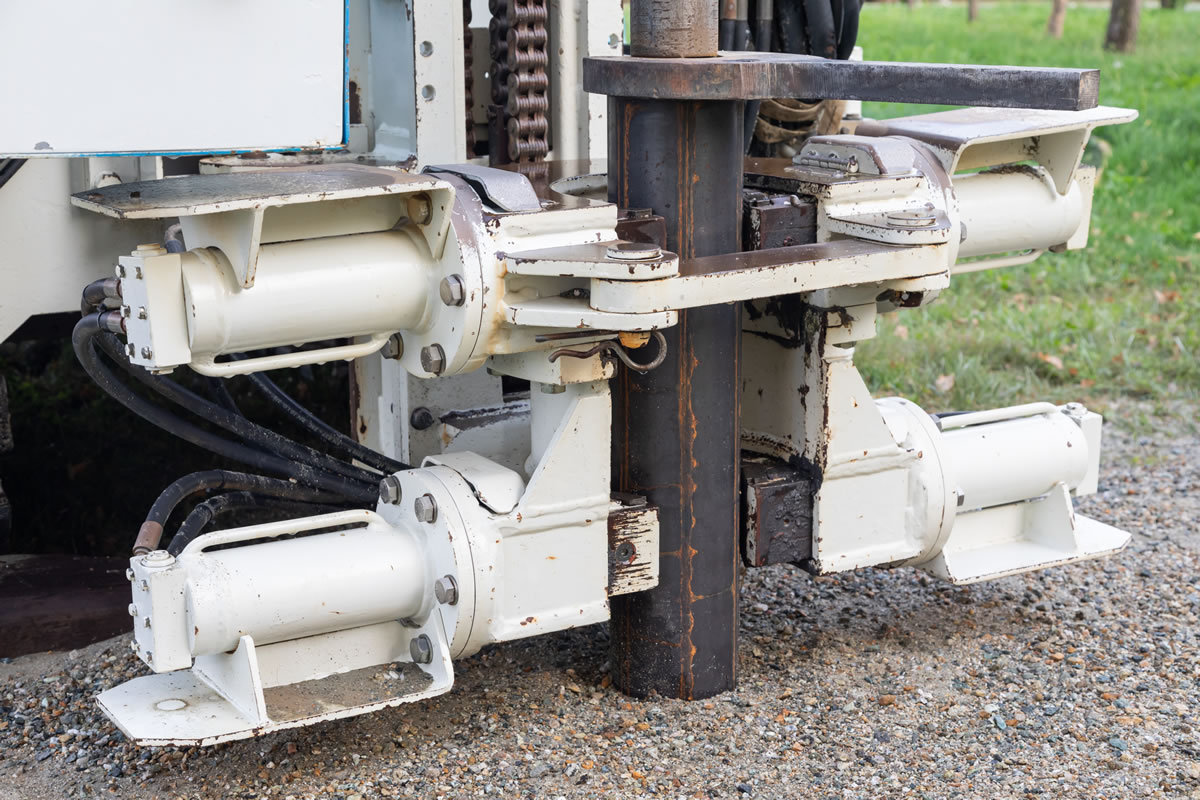
It’s a simple idea really, you drill a hole deep enough to reach natural water supplies below the ground. Of course, there is a little more involved than that, but this is the basic idea. You should contact a borehole specialist in this field to assess the site and determine whether water borehole drilling would be feasible there, and if so, how it should be done.
It’s obviously impossible to tell what kind of water supplies there could be beneath the surface. Fortunately, an expert will be able to ascertain this before any drilling begins. Once a suitable site has been identified and any permissions or extraction licenses have been granted, the drilling process can begin. This essentially sees the borehole dug before a test pump is installed. This pump will determine a range of factors that will influence the type of pump that should be installed for the finished product.
Why consider having a water borehole?
If you live in an area where you continually have issues with your usual drinking water supply, a water borehole can be a sensible alternative if you can afford it. The cost of drilling can vary according to the area, the depth required to drill, and other factors. If you intend to stay-put for several years, you will start to reap the rewards of having your own borehole. There are no regular water bills to pay, and even maintenance costs are tiny once the system is installed. As with any system of this sort, regular testing and an annual inspection and service is advised. This allows an expert to review the system and ensure it is working as it should.
Do you need a licence to extract water via a borehole?
The rules on drilling a natural borehole differ depending on where you live, and as with all guidance, changes can happen almost all the time. The rules for Scotland differ from those in England and Wales, for example. Scotland does require you to seek permission, whereas not all boreholes in England and Wales will require a licence to extract. The bottom line is always to ask; never assume you know what you need to do before you start. In some cases, in England and Wales, the licensing aspect may depend on how much water you intend to extract. Further, the amount of water may not always be relevant, it might depend on where you live and how much groundwater is available there.
How much space do you need to drill a water borehole?
Nowhere near as much as you might think. The borehole may end up going to a depth of dozens of metres, but the width of the visible element at ground level could be less than half a metre across. Commercial boreholes can go slightly deeper than residential ones, but while the diameter at ground level is slightly wider, it’s still usually well under a metre.
However, it does depend on a range of factors. These can include the geology of the area, along with consideration for the volume of water you intend to withdraw each day. The more you want to reach and use, the wider the borehole should be. Hence why the services of a borehole specialist should be enlisted to determine the various factors that influence the drilling width and depth.
Is it safe to use and drink water from your own water borehole?
Each modern installation will include a filtration system. The water will go through this system to ensure it is safe to use. Regular water treatment and testing will ensure the water remains safe and that any impurities or contaminants are removed from the supply. It’s also possible to have water samples regularly tested by an independent and accredited laboratory to ensure there are no issues with it.
While most private residents won’t have cause to consider a water borehole, those living in rural areas that may experience occasional issues with their drinking water supply could see this as a smart alternative. The same may apply to businesses looking for a reliable source of water. Either way, consulting experts is the best path to take, both when considering a borehole and when maintaining a safe water supply from one you already have.
Water boreholes represent a valuable long-term investment
In the end, drilling a water borehole is about more than simply accessing an alternative water supply. It’s a decision that brings greater control, long-term savings, and peace of mind, especially in areas where traditional water supplies can’t always be relied upon. By understanding the process from start to finish, including the legal requirements, installation steps, testing and maintenance needs, you can make an informed choice that suits both your budget and your lifestyle.
Whether you’re motivated by the potential for cost savings, the desire for independence, or the reassurance of having a consistent water source, a borehole represents a valuable long-term investment. Just as we explored at the outset, it’s crucial to take expert advice from qualified specialists who can guide you through every stage of the journey. With the right approach, a water borehole can serve as a reliable asset for years to come, providing clean, safe water straight from the ground beneath your feet.
Leading water treatment specialists
At Water Treatment Services we help businesses across the UK and Ireland get the best from their water systems. Our specialist teams provide expert advice, water treatment solutions, water quality analysis and ongoing support to improve efficiency, manage water safety risks such as Legionella, and ensure compliance with regulatory standards. With offices and engineers based nationwide, we can deliver cost-effective, practical solutions wherever you are.
Contact us today to learn how our borehole water treatment solutions can help you.