
Are Hot Tubs Safe?
Hot tubs are often seen as a luxurious way to relax, unwind and soothe tired muscles, but how safe are they really? While many people enjoy them both at home and on holiday, others are more cautious, questioning the cleanliness and health risks associated with warm, shared water. The truth is that hot tubs can be perfectly safe when properly maintained, but they also pose potential risks if hygiene and maintenance tasks are neglected. So, are hot tubs safe to use… or should we be more wary of what’s lurking beneath the bubbles?
In this expert guide from the pool water specialists at Water Treatment Services, we take an in-depth look at hot tub safety. We explore essential aspects of hot tub hygiene, maintenance routines, and how often water should be changed. The article also investigates the dangers of bacterial contamination, the risks of Legionnaires’ disease, what types of bacteria to test for, and how often to do it. Whether you’re a seasoned spa lover or considering your first hot tub, this guide provides everything you need to know to stay safe.
Hot tubs … love them or hate them?
Plenty of people seem to sit in one of two groups when asked about hot tubs. There are those who cannot get enough of them and those who would not get in one no matter how clean it looked.
Hotels, luxury spas and plenty of holiday properties come with their own hot tub, and it can be a wonderful way to relax and get some downtime while away. Yet regardless of whether you use a hot tub at home or on holiday, is it safe to do so?
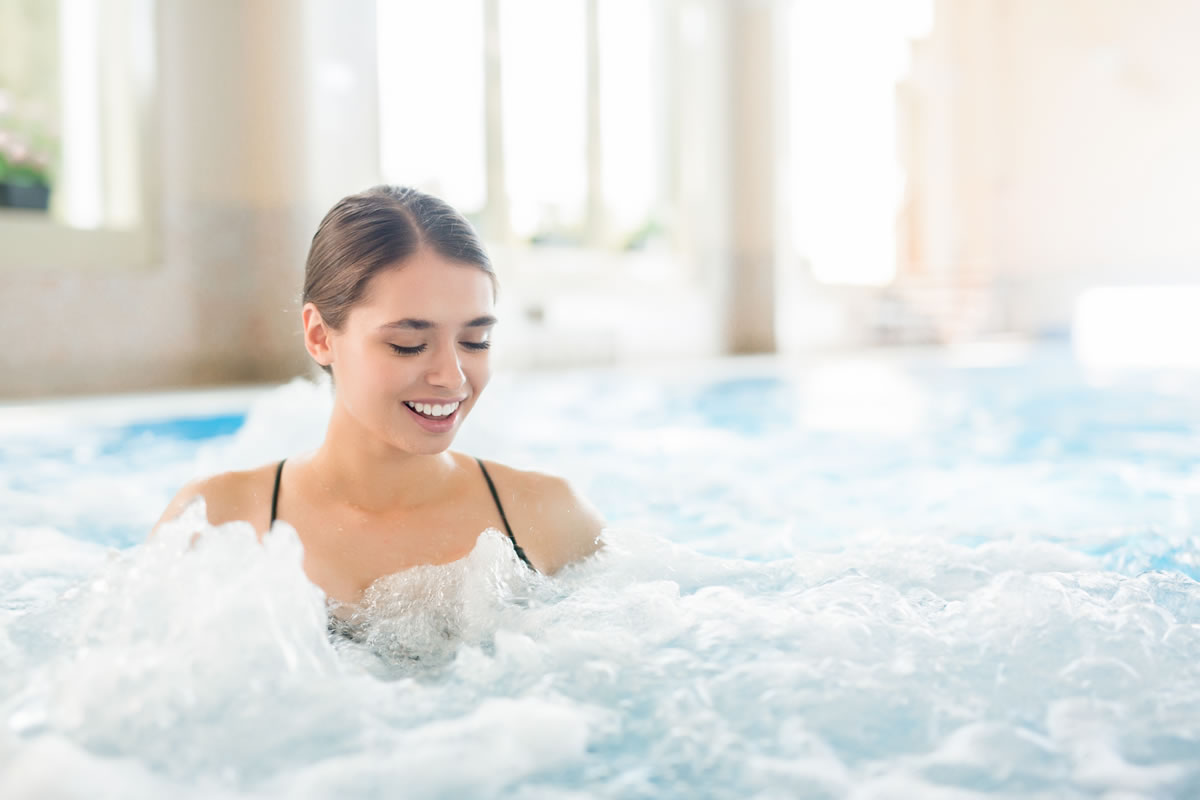
Is there any danger in a hot tub?
So… are hot tubs safe? If a hot tub is properly installed, and regularly maintained as it should be, it should pose no danger to the average healthy person. Installation is normally handled by experts, but cleaning and maintenance is usually taken on by the owner, especially in non-commercial settings. If you are considering getting a hot tub installed at home, make sure you are prepared to properly treat the water, clean and maintain the hot tub according to instructions.
It is not generally recommended that pregnant women use hot tubs. Some people with certain medical conditions may also be wise not to use a hot tub. If you have a medical condition, seek advice from your GP before using one.
How hygienic are hot tubs?
They should be hygienic to use provided they are properly treated, cleaned and maintained regularly. However, since the water is hot, there may be an increased risk of certain types of bacteria flourishing more than they would in colder water.
Legionella and other potentially dangerous bacteria multiply rapidly in water that is between 20 and 45 degrees Celsius
While hot tubs should be treated with chlorine, this breaks down more swiftly in hotter water than colder. That’s why there are a number of infections that can potentially occur in hot tubs and can be more common in this situation.
Is it safe to leave your hot tub on overnight?
Yes – in fact, a hot tub should always remain on during periods of use as this will ensure the water is kept at the desired temperature. Turning it off in between uses will require more energy to get it back to the proper temperature again. It could also allow the temperature of the water to dip to a level that encourages bacterial growth.
The only exception to this is when you need to turn it off to empty it, clean it, and refill it. To improve energy efficiency, save on energy bills and protect the water from leaves, dirt and other debris you should always install a well-insulated, fitted cover,
How often should you change the water in a hot tub?
The ideal scenario is to follow the manufacturers maintenance guidelines which will most likely suggest you empty the hot tub every three to four months to inspect it and give it a thorough clean. Once re-filled you will need to add chlorine to the fresh water to keep it safe and get rid of any bacteria in there. Over time, it becomes less effective, as the chlorine continues to be added to the same water. Therefore, emptying your hot tub every three months or so and refilling it with fresh water will allow the chlorine to work effectively once more.
Are hot tubs a lot of maintenance?
Hot tubs do require maintenance, with this being the most important aspect to get right if you are to prevent any safety issues from occurring. Regular checks for levels of disinfectant in the water, and the water’s pH levels, should be performed to ensure the hot tub is safe to use.

Can you catch Legionnaires’ disease from a hot tub?
Yes, it is possible for Legionella bacteria, the bug that causes Legionnaires’ disease to thrive in a hot tub. Again, regular disinfecting and pH checks should be performed even if the hot tub isn’t being used. The manufacturer of the hot tub should provide guidance on how to properly maintain it and replace certain elements, such as the filter.
The biggest issue with Legionella and other potentially dangerous bacteria is that they love multiplying in water that is between 20 and 45 degrees Celsius. The ideal hot tub temperature is around 36 to 38 degrees Celsius, so you can see the potential issue. If the hot tub is not cleaned and maintained properly, the bacteria will also have a supply of skin cells and other food sources to feast on and help them multiply.
A risk assessment along with daily water checks are crucial to maintain a safe hot tub, no matter whether you intend to use it shortly after or not. Make sure you invest in good quality chlorine or bromine products that are intended for hot tub use.
A hot tub also creates the ideal situation for aerosols (tiny water droplets suspended in the air) to be inhaled by those using the hot tub and even those nearby. These droplets may contain Legionella bacteria that would easily be taken into the lungs, infecting anyone who was in the vicinity.
Should you test for bacteria in your hot tub?
Hot tubs typically run at higher temperatures, and contain less water than swimming pools, and these factors combined can increase the potential for bacteria to grow in water. Bacteria to watch out for include:
- E. coli
- Pseudomonas aeruginosa
- Coliform bacteria
- Legionella bacteria
Ideally, monthly water testing should be carried, or when the hot tub is first used or recommissioned. Testing is especially important when people have become ill after using it, if the water becomes contaminated, or if the water treatment or maintenance plans change.
If people are becoming ill after using the tub, additional testing may also be needed for other organisms including Staphylococcus aureus, Cryptosporidium, Giardia and viruses.

Showering before and after using the hot tub can help limit infections and keep the water cleaner
It is far more likely that someone might experience what is known as ‘hot tub rash’ – a skin condition commonly caused by Pseudomonas aeruginosa, waterborne bacteria. The skin exhibits small bumps around hair follicles, particularly in areas where swimming costumes are worn against the skin. Showering after exiting the hot tub can remove the bacteria and minimise its effects. However, this is often a clear sign that the hot tub is not being maintained as it should be.
Showering before and after using the hot tub can also limit the chance of anyone experiencing irritation from sweat, urine, and faeces that may find its way into the hot tub. There doesn’t need to be much to cause an issue, and with two or three people using the hot tub, combined with the limited amount of water in there, it can cause irritation from the chlorine reacting against these things. if you notice irritation to the eyes or skin after getting into a hot tub – along with a strong smell of chlorine – it’s a sign there is more in the tub than there should be.
All kinds of parasites and waterborne bacteria can exist in a hot tub, especially given the ideal temperature people use it at. Safety should always come first in these situations, with maintenance and the correct water treatment at the top of the list.
However, there are people with medical conditions for whom a session in a hot tub is never advised. Babies, toddlers, and the elderly should never use a hot tub if they are to remain safe.
Hot tub and pool water testing
Water Treatment Services offer a comprehensive range of water quality testing and laboratory analysis solutions to support owners and operators of swimming pools, spas and hot tubs. Our specialists provide a full interpretation of test results, expert advice and support to help you identify the most appropriate strategies for the on-going management of your pool facilities to keep them safe and in tip-top condition.
With offices in London serving the South and South East England, Manchester (North West), Birmingham (Midlands), Bristol (South East England and Wales), Leeds (North and North East) and Glasgow (Scotland), supported by regional teams of specially trained technicians, in-field specialists and consultants we can offer professional, cost effective water management and laboratory analysis solutions across the whole of the UK and internationally.
Contact us today to learn how our expert water testing services can help keep your hot tub and spa pool clean and safe to use.