
• Link to X
  • Link to Facebook
  • Link to LinkedIn
  • Link to Mail
  • Call Me Back
  • About
  • Knowledge
📞 Call us on 0330 223 31 31
Water Treatment Services
  • Home
  • Water
    • Applications
      • Boiler Water Treatment Services
      • Cooling Water Treatment
      • Closed Loop Water Treatment
    • Services
      • Cooling Tower Cleaning Services UK
      • Cooling Tower Maintenance
      • Chlorine Dioxide Water Treatment Services
      • Commercial Water Softeners
      • Expert Witness Services
      • Pre-Commission Cleaning
      • Tank Reline & Repair
      • TMV Servicing
      • Water Chlorination & Disinfection
      • Water Leak Detection
      • Water Testing
        • Drinking Water Testing Services UK
        • Testing Water for Heavy Metals
        • Pool Water Testing
        • BSRIA Closed System Testing
        • SDI Testing & Analysis
        • Trade Effluent Testing
    • Training
      • Water Treatment Training
      • Basic Chemistry of Water
      • Industrial Treatment
      • Pre-Treatment
      • Boiler Treatment
      • Cooling Systems
      • Closed Systems
      • Wastewater Training
      • Advanced Treatments
      • Training Dates 2025
  • Wastewater
    • Testing Water for Heavy Metals
    • Trade Effluent Testing
    • Wastewater Training
    • Expert Witness Services
  • Chemicals
    • Water Treatment Chemicals
      • Boiler Water Treatment Chemicals
  • Air
    • Ductwork Cleaning
    • Indoor Air Quality
    • Local Exhaust Ventilation Testing
    • Mould Testing
    • Expert Witness Services
  • Energy
  • Contact
  • Click to open the search input field Click to open the search input field Search
  • Menu Menu
You are here: Home1 / Knowledge2 / Environment3 / Guide to Drilling Water Boreholes – What You Need to Know
Guide to drilling water boreholes

Guide to Drilling Water Boreholes – What You Need to Know

Drilling a water borehole can be a game-changer for those seeking a dependable and cost-effective water source, especially in rural or off-grid locations. By tapping into underground aquifers, homeowners and businesses can gain access to natural water reserves, reducing reliance on mains supply and eliminating regular water bills.

While the initial investment can be considerable, the long-term savings and the added benefit of water security make it an attractive option for many. With proper installation and ongoing maintenance, a borehole can deliver clean, safe water for decades.

This article takes a closer look at what’s involved in drilling a water borehole, from the initial feasibility assessments to the installation and water testing stages. It also explores key considerations such as licensing requirements, borehole size, and ongoing water quality management. Whether you’re curious about the practicalities of ownership or weighing up the environmental and financial advantages, this guide covers the essential points to help you decide if a borehole could be the right solution for your property.

Drilling boreholes to access underground water supplies

Most people use the drinking water services already connected to their properties. However, some people use a water borehole to reach natural water supplies underneath their property. This is true of both private residents and businesses. In this article, we’ll drill into some info about water borehole drilling (if you’ll forgive the pun).
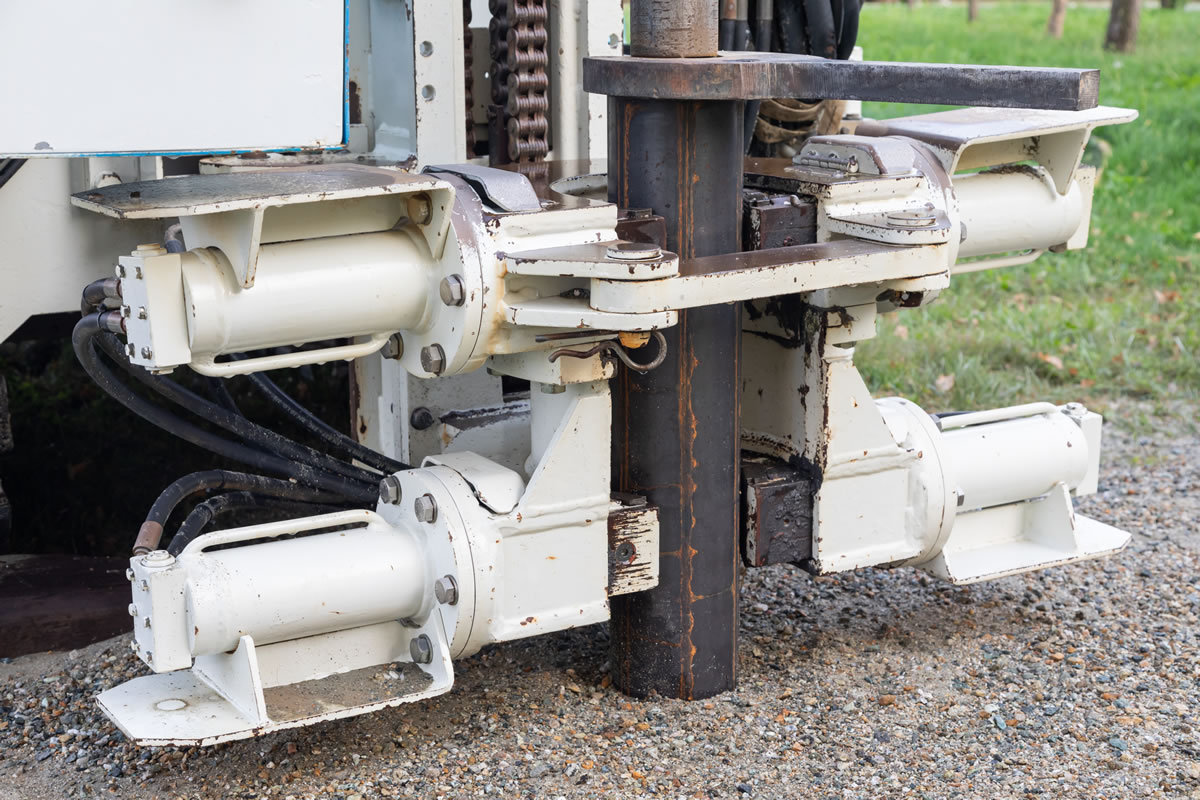
Water borehole drilling rig being used to drill new borehole

What’s the idea behind water borehole drilling?

It’s a simple idea really, you drill a hole deep enough to reach natural water supplies below the ground. Of course, there is a little more involved than that, but this is the basic idea. You should contact a borehole specialist in this field to assess the site and determine whether water borehole drilling would be feasible there, and if so, how it should be done.

It’s obviously impossible to tell what kind of water supplies there could be beneath the surface. Fortunately, an expert will be able to ascertain this before any drilling begins. Once a suitable site has been identified and any permissions or extraction licenses have been granted, the drilling process can begin. This essentially sees the borehole dug before a test pump is installed. This pump will determine a range of factors that will influence the type of pump that should be installed for the finished product.

Why consider having a water borehole?

If you live in an area where you continually have issues with your usual drinking water supply, a water borehole can be a sensible alternative if you can afford it. The cost of drilling can vary according to the area, the depth required to drill, and other factors. If you intend to stay-put for several years, you will start to reap the rewards of having your own borehole. There are no regular water bills to pay, and even maintenance costs are tiny once the system is installed. As with any system of this sort, regular testing and an annual inspection and service is advised. This allows an expert to review the system and ensure it is working as it should.

Do you need a licence to extract water via a borehole?

The rules on drilling a natural borehole differ depending on where you live, and as with all guidance, changes can happen almost all the time. The rules for Scotland differ from those in England and Wales, for example. Scotland does require you to seek permission, whereas not all boreholes in England and Wales will require a licence to extract. The bottom line is always to ask; never assume you know what you need to do before you start. In some cases, in England and Wales, the licensing aspect may depend on how much water you intend to extract. Further, the amount of water may not always be relevant, it might depend on where you live and how much groundwater is available there.

How much space do you need to drill a water borehole?

Nowhere near as much as you might think. The borehole may end up going to a depth of dozens of metres, but the width of the visible element at ground level could be less than half a metre across. Commercial boreholes can go slightly deeper than residential ones, but while the diameter at ground level is slightly wider, it’s still usually well under a metre.

However, it does depend on a range of factors. These can include the geology of the area, along with consideration for the volume of water you intend to withdraw each day. The more you want to reach and use, the wider the borehole should be. Hence why the services of a borehole specialist should be enlisted to determine the various factors that influence the drilling width and depth.
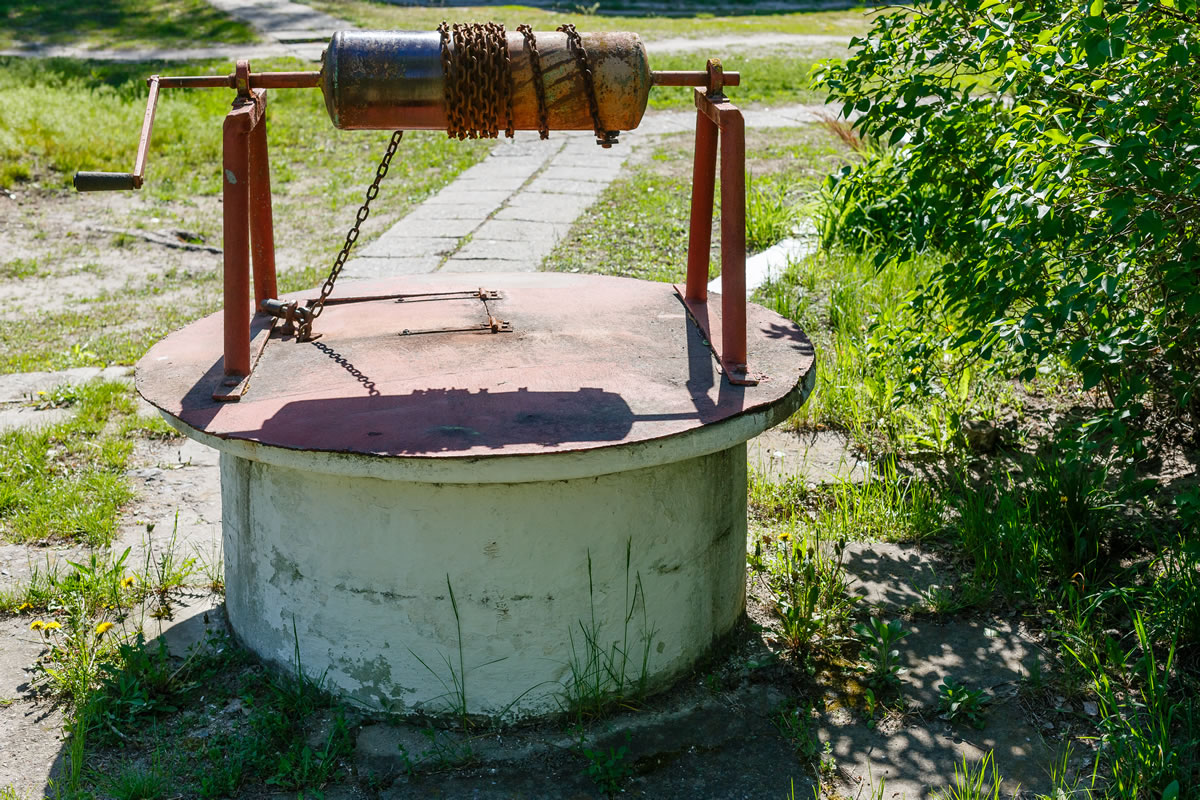
Old domestic drinking water well with metal cover

Is it safe to use and drink water from your own water borehole?

Each modern installation will include a filtration system. The water will go through this system to ensure it is safe to use. Regular water treatment and testing will ensure the water remains safe and that any impurities or contaminants are removed from the supply. It’s also possible to have water samples regularly tested by an independent and accredited laboratory to ensure there are no issues with it.

While most private residents won’t have cause to consider a water borehole, those living in rural areas that may experience occasional issues with their drinking water supply could see this as a smart alternative. The same may apply to businesses looking for a reliable source of water. Either way, consulting experts is the best path to take, both when considering a borehole and when maintaining a safe water supply from one you already have.

Water boreholes represent a valuable long-term investment

In the end, drilling a water borehole is about more than simply accessing an alternative water supply. It’s a decision that brings greater control, long-term savings, and peace of mind, especially in areas where traditional water supplies can’t always be relied upon. By understanding the process from start to finish, including the legal requirements, installation steps, testing and maintenance needs, you can make an informed choice that suits both your budget and your lifestyle.

Whether you’re motivated by the potential for cost savings, the desire for independence, or the reassurance of having a consistent water source, a borehole represents a valuable long-term investment. Just as we explored at the outset, it’s crucial to take expert advice from qualified specialists who can guide you through every stage of the journey. With the right approach, a water borehole can serve as a reliable asset for years to come, providing clean, safe water straight from the ground beneath your feet.

Leading water treatment specialists

At Water Treatment Services we help businesses across the UK and Ireland get the best from their water systems. Our specialist teams provide expert advice, water treatment solutions, water quality analysis and ongoing support to improve efficiency, manage water safety risks such as Legionella, and ensure compliance with regulatory standards. With offices and engineers based nationwide, we can deliver cost-effective, practical solutions wherever you are.

Contact us today to learn how our borehole water treatment solutions can help you.

Contact Us Today

Tags: Borehole water, Water testing, Water well
You might also like
Food poisoning bacteria and viruses Food Poisoning Bacteria & Viruses – Symptoms, Treatment & Prevention
Recreational water quality standards Managing Recreational Water Quality Standards
Natural water quality, pollution, its impact on human health and testing Natural Water Quality and Pollution: The Impact on Human Health and Testing
Taste and odour problems in drinking water Taste and Odour Problems in Drinking Water
Removing heavy metals from industrial wastewater Removing Heavy Metals from Industrial Wastewater
Water quality testing for open water swimming Water Quality Testing for Open Water Swimming
Engineer performing water quality analysis of industrial waters Water Quality Analysis for Modern Industries
Controlling bacteria in water distribution systems through good design Controlling Bacteria in Water Distribution Systems

Search…

Search Search

What's New

  • Swimming Pool Water Testing UK: Complete Compliance Guide for Pool Operators & Facilities Managers

    Swimming Pool Water Testing UK: Complete Compliance Guide for Pool Operators & Facilities Managers

    Swimming pool water quality is one of those things …
  • Cooling Tower Compliance Check – Free Online Assessment

    Cooling Tower Compliance Check – Free Online Assessment

    How confident are you that your cooling tower management …
  • What are the 4 Main Methods for Treating Industrial Wastewater?

    What are the 4 Main Methods for Treating Industrial Wastewater?

    We all rely on water every day yet rarely …
  • Water Quality Assessment: 3 Key Areas for Safe Water Systems

    Water Quality Assessment: 3 Key Areas for Safe Water Systems

    Assessing water quality is a fundamental part of managing …
  • Water Quality Analysis for Modern Industries

    Water Quality Analysis for Modern Industries

    Understanding the quality of water used across modern industries …
  • Free Boiler Health Check & Boiler Water Treatment Assessment

    Free Boiler Health Check & Boiler Water Treatment Assessment

    Even small boiler water quality issues can lead to …

REVIEWS

4.8
Water Treatment Services is rated 4.8 out of 5 stars (based on 103 reviews)
Read our reviews

Newsletter

Receive exciting features, news, latest research and special offers! Just add your email address and we'll do the rest.

Contact us

Water Treatment Services

[email protected]

Tel: 0330 223 31 31

© Copyright 2026 - EDG Ltd. Operating as Water Treatment Services
  • Link to X
  • Link to Facebook
  • Link to LinkedIn
  • Link to Mail
  • Home
  • About
  • Careers
  • Privacy
  • Environment
  • Reviews
  • Login[learndash_login login_label=”Login/Register” logout_label=”Logout”]
  • Sitemap
Link to: Cooling Tower Water Management – Saving Water Link to: Cooling Tower Water Management – Saving Water Cooling Tower Water Management – Saving WaterCooling tower water management to save water Link to: How to Clean and Maintain Reverse Osmosis Membranes Link to: How to Clean and Maintain Reverse Osmosis Membranes Cleaning and maintaining reverse osmosis membranesHow to Clean and Maintain Reverse Osmosis Membranes
Scroll to top Scroll to top Scroll to top

This site uses cookies. By continuing to browse the site, you are agreeing to our use of cookies.

OK

Cookie and Privacy Settings


How we use cookies

We may request cookies to be set on your device. We use cookies to let us know when you visit our websites, how you interact with us, to enrich your user experience, and to customize your relationship with our website.

Click on the different category headings to find out more. You can also change some of your preferences. Note that blocking some types of cookies may impact your experience on our websites and the services we are able to offer.

Essential Website Cookies

These cookies are strictly necessary to provide you with services available through our website and to use some of its features.

Because these cookies are strictly necessary to deliver the website, refusing them will have impact how our site functions. You always can block or delete cookies by changing your browser settings and force blocking all cookies on this website. But this will always prompt you to accept/refuse cookies when revisiting our site.

We fully respect if you want to refuse cookies but to avoid asking you again and again kindly allow us to store a cookie for that. You are free to opt out any time or opt in for other cookies to get a better experience. If you refuse cookies we will remove all set cookies in our domain.

We provide you with a list of stored cookies on your computer in our domain so you can check what we stored. Due to security reasons we are not able to show or modify cookies from other domains. You can check these in your browser security settings.

Google Analytics Cookies

These cookies collect information that is used either in aggregate form to help us understand how our website is being used or how effective our marketing campaigns are, or to help us customize our website and application for you in order to enhance your experience.

If you do not want that we track your visit to our site you can disable tracking in your browser here:

Other external services

We also use different external services like Google Webfonts, Google Maps, and external Video providers. Since these providers may collect personal data like your IP address we allow you to block them here. Please be aware that this might heavily reduce the functionality and appearance of our site. Changes will take effect once you reload the page.

Google Webfont Settings:

Google Map Settings:

Google reCaptcha Settings:

Vimeo and Youtube video embeds:

Other cookies

The following cookies are also needed - You can choose if you want to allow them:

Privacy Policy

You can read about our cookies and privacy settings in detail on our Privacy Policy Page.

Privacy
Accept settingsHide notification only