
Water Quality Analysis for Modern Industries
Understanding the quality of water used across modern industries is fundamental to protecting people, processes, and equipment. From heating and cooling systems to specialist manufacturing environments, regular water quality analysis provides essential insight into potential physical, biological, and chemical risks before they develop into costly or dangerous problems. By identifying contamination early, businesses can maintain compliance, safeguard health, extend the lifespan of their systems, and ensure water remains fit for its intended purpose.
This article explores why water quality analysis plays such a critical role in industrial risk management and how it supports effective water system safety. It outlines the importance of risk assessments, explains the main types of water analysis available, and looks at how different industries apply these methods in practice. The guide also covers best practice for sampling and testing, helping organisations understand how regular monitoring contributes to safer, more reliable water systems.
All about water quality analysis
Analysing water quality of samples can tell us a lot about how safe a water supply is. This is particularly important when the water is used for heating, cooling, drinking, and various other purposes throughout a range of industrial settings. We’re going to focus on this topic in this guide.
The importance of water quality and safety
When we consider water safety, we tend to think about how safe it is to drink. Indeed, this is a key consideration to make when conducting a risk assessment based on a specific water supply. However, we do not need to drink contaminated water for it to cause us harm.
For instance, Legionella bacteria can be inhaled through water vapour, spray, or mist generated by cooling towers, ornamental fountains, or other equipment. The bacteria then travel to the lungs and can cause Legionnaires’ disease or Pontiac fever. In terms of cooling towers, affected individuals may not even need to be on site to be affected. If they walk past the site and inhale vapour produced by the towers, they may still fall ill.
Thus, we can see how important it is to always be aware of water quality. A full assessment can help us identify a range of physical, biological, and chemical factors and properties that may cause illness or other risks to health.
Water quality analysis and risk assessments
The safety of any water system begins by conducting a risk assessment. This will identify all potential risk factors that could be present. A risk assessment should be considered to be a living document, essentially, one that can grow and change to reflect and indicate the current safety of the water system. No two buildings or industries will ever have the same risk assessment, as it will cover the exact nature of the water system in use and all its components.
As such, water analysis methods will also differ depending on the industry in question. For example, the pharmaceutical industry requires its water to be as pure (often ultra-pure) as possible to ensure all its products are safe to use. Any risk of contamination could potentially be severe. This may therefore require more in-depth analysis than other industries with different focuses.
Many businesses use heating and cooling systems for various purposes. In these examples, the water must be of excellent quality to ensure it does not cause any damage to the equipment being used, or the processes it’s used in. This may include cooling towers, as we mentioned in an earlier example. If the water becomes contaminated, it may raise the risk of scaling and even corrosion occurring inside the system. This in turn can provide a food source for bacteria, including Legionella, to help it multiply and colonise the system.
A water system risk assessment should therefore be undertaken by an experienced and qualified individual who is aware of the potential risk factors that may be present. This will ensure the continued safety of the system and the water within.
What kinds of water analysis are available?
We can analyse water quality in many ways, but these can be divided into three main areas:
- Physical
- Biological
- Chemical
1. Physical water analysis
Physical water analysis begins with a range of visual checks. Ask yourself, is the water clear? It should be, if not, it indicates the presence of suspended solids in the water. This relates to water turbidity, and while you can begin with visual checks, you can also use a turbidity meter for more accurate results.
The colour of the water can also indicate potential problems, for example, blue or green discoloration suggests algae, whereas yellow water may indicate lead.
You should also test for conductivity levels. If these are high, they confirm the presence of ions in the water. This in turn indicates potential issues with dissolved solids.
2. Biological water analysis
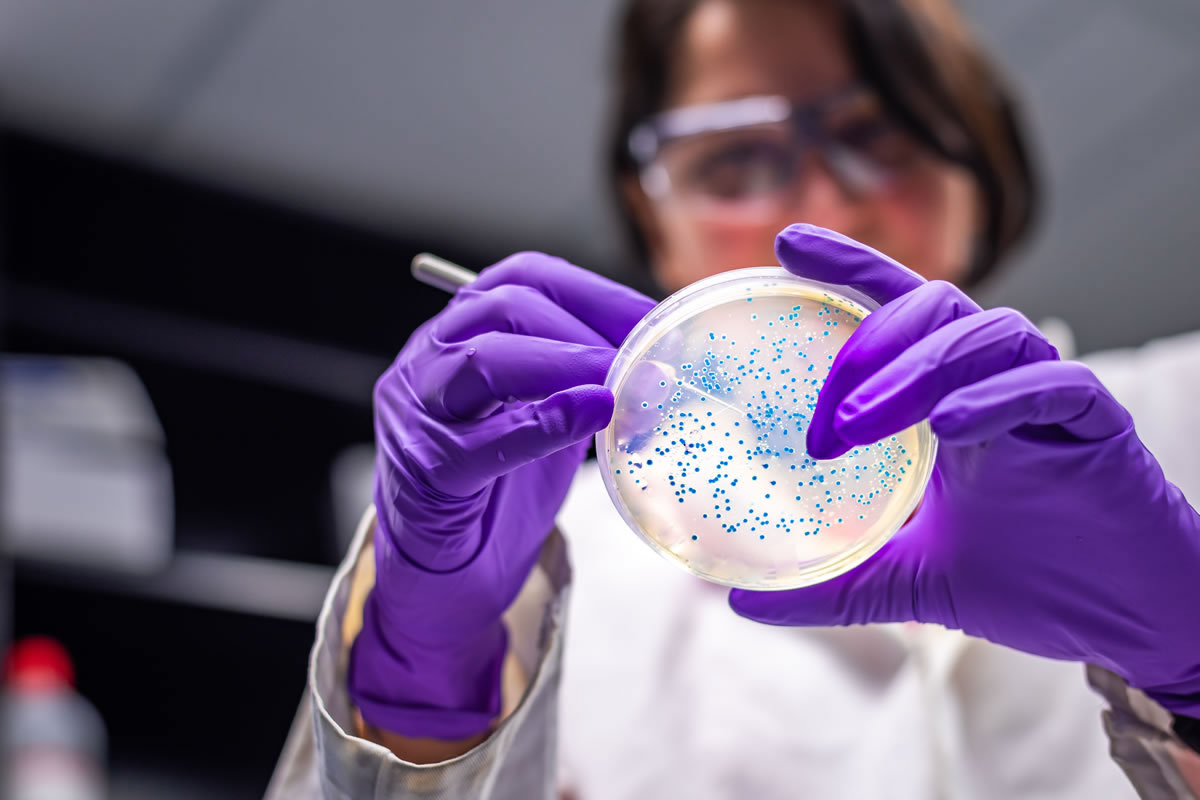
Biological water analysis identifies the presence of living organisms in the water. The total viable count or TVC will show how many bacteria present that can grow in the supply. Additionally, coliform tests will show levels of E. coli, which can cause illness in humans.
Hot and cold-water systems should also be checked for levels of Legionella bacteria. These can feed on scale, biofilm and other deposits inside pipework and water tanks, taking advantage of insufficient maintenance, water treatment, and cleaning. If they multiply sufficiently to colonise part of the system, they can raise the risk of a Legionnaires’ disease outbreak.
3. Chemical water analysis
Moving on, we can also analyse water quality in terms of chemical contaminants and composition. For example, high levels of ammonia present in the water can indicate some organic decomposition. This in turn can also lead to higher levels of nitrites and nitrates, the former being toxic.
We can also test for water hardness to determine the likely effect of the water on the pipes, tanks, and other equipment it runs through. Raised levels of water hardness suggests both magnesium and calcium salts are present. These can cause an excessive amount of scale to build up inside the system, leading to multiple issues. Bacteria can also feed on this scale to help it develop, so the presence of scale can generate further problems in that area as well.
If you’ve ever descaled your kettle at home, you will know how the build-up can affect the efficiency of the appliance. This is a simple example of how regular maintenance, descaling and cleaning, can help prolong the life of the equipment and ensure that it is safer to use. We can extend this to any hot or cold-water system as well. Regular water analysis helps to identify the number of deposits or chemicals in the system and highlights the potential issues they could cause.

How to collect samples for water analysis
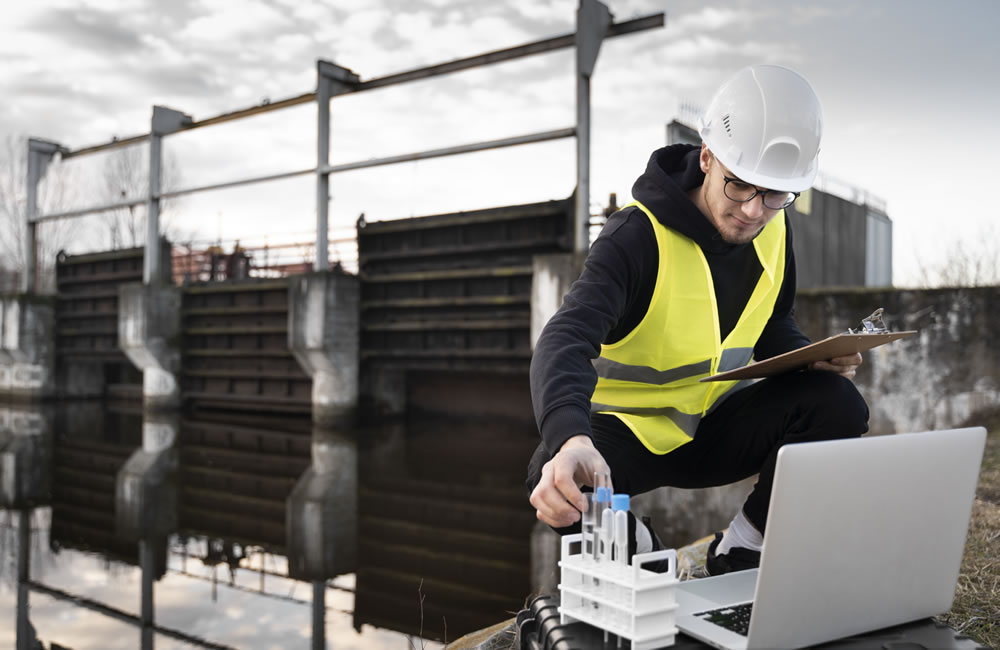
All water samples should be tested in accredited laboratories. It is vital to follow instructions to ensure you take adequate samples in the proper manner, and get them to the lab in good time. You may wish to enlist an expert to undertake this aspect of water analysis on your behalf, to ensure no contamination occurs when taking the samples.
Regular sampling for water quality analysis helps to identify any potential issues that may be present in the water system. Steps can then be taken to ensure those issues are monitored and dealt with.
Expert water quality analysis
Effective water quality analysis underpins the safe and efficient operation of modern industrial water systems. By understanding the physical, biological, and chemical characteristics of a supply, organisations can reduce health risks, protect critical equipment, and ensure their systems continue to operate as intended. As highlighted throughout this guide, regular monitoring and well-informed risk assessments are not one-off tasks, but essential, ongoing measures that support compliance, safety, and long-term reliability.
For businesses that require expert support, Water Treatment Services offers specialist knowledge and practical solutions tailored to a wide range of industries. From comprehensive water quality analysis and sampling to risk assessments and ongoing water treatment programmes, their experienced team can help ensure your systems remain safe, compliant, and efficient.
Get in touch today to find out how professional water analysis and management can support your organisation’s operational and regulatory requirements.


