
How to Prevent Corrosion in Water Systems
Corrosion poses a serious threat to the integrity and efficiency of many industrial water systems, yet it is often overlooked until significant damage has occurred. Whether in closed-loop heating systems, cooling towers, or steam boilers, corrosion can lead to leaks, equipment failure, and increased maintenance costs. Like bacterial contamination, it is a hidden hazard that, if left unchecked, can compromise system performance and safety. Taking proactive steps to monitor, manage, and prevent corrosion is therefore critical to ensuring long-term system health and operational reliability.
This article explores how corrosion develops in different types of water systems and outlines practical measures to reduce or eliminate the associated risks. From recognising early warning signs and conducting regular risk assessments to using chemical treatments and maintaining proper water chemistry, we cover the key strategies required to keep corrosion at bay. Whether you manage a closed system, a cooling tower, or a steam boiler, understanding how to tackle corrosive elements will help extend the life of your system and avoid costly repairs.
Tackling corrosion in a closed water system
A closed system is one that does not allow water to exit it. This means that any products used to dose the system against bacteria, corrosion, and other contaminants, will remain in the system. There should be no chance of it being lost during the process because the system is closed.
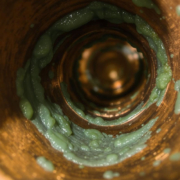
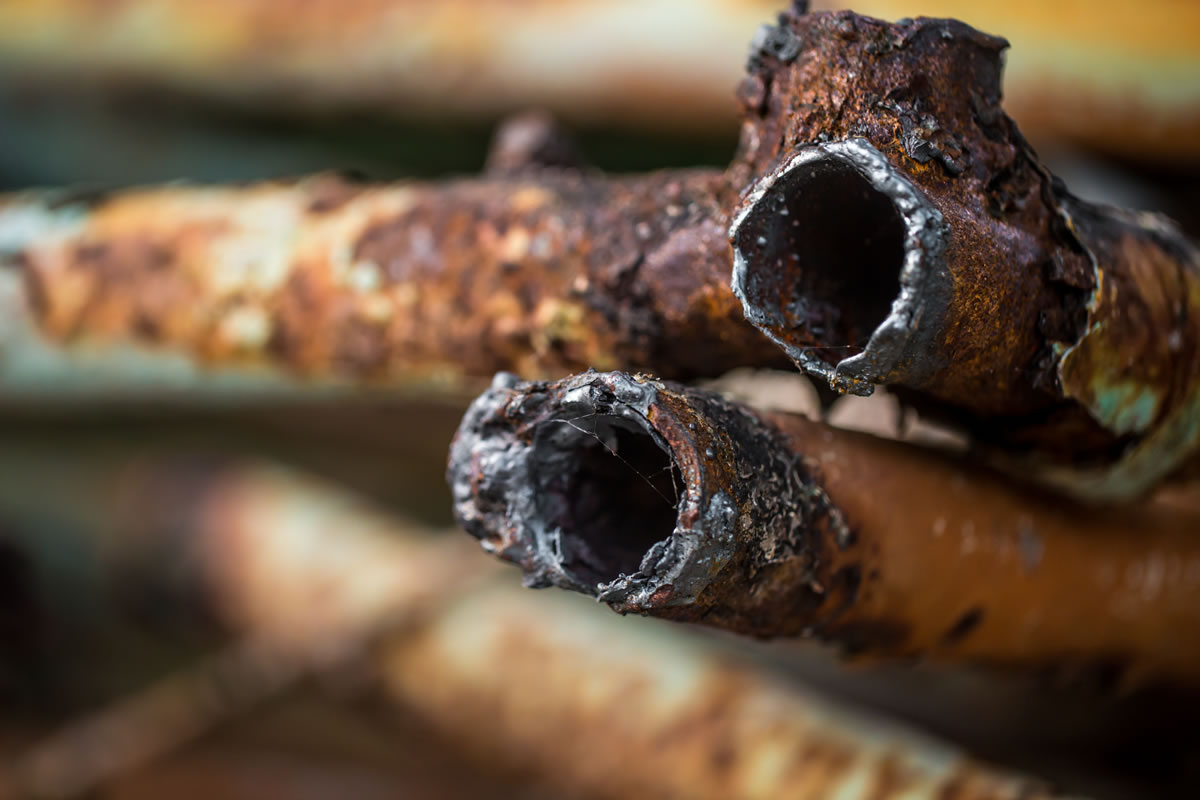
Of course, this also means it is harder to know when the system is experiencing corrosion. There are signs though, including discoloured water that takes on a rusty appearance. You may also notice additional maintenance is required, as the corrosion takes hold and starts to degrade the insides the system. In more severe cases, pipework may develop tiny holes (pin-holes) as it corrodes from the inside, causing leaks in one or more parts of the system.
Assessing the risks of corrosion
It is best to assume corrosion can occur inside any closed water system, and to treat it in that respect. A risk assessment should include regular inspections and water testing – both of which can help you identify signs of possible corrosion within the system. You can also dose the system against various factors including bacterial contamination, and to make sure corrosion is tackled in a similar way. There are various chemical inhibitors that will prevent scale and corrosion from taking place inside the system. Water testing can confirm that the chemical additives are maintained at the correct levels, and that they are sufficient to prevent any signs of rust or buildup occurring within the system.
Tackling corrosion inside cooling towers
Proper water treatment will minimise the risk of corrosion occurring inside a cooling tower. There are various factors that can cause corrosion to occur. Bacteria is a risk factor in terms of health (Legionnaires’ disease), as we know, but it can also make corrosion more likely within a cooling tower environment. Further, if the water becomes too alkaline in composition, it is more likely to cause corrosion.
One of the major risk factors involves gasses rather than contaminants or suspended solids in the water. If too much oxygen and carbon dioxide is allowed to build up inside the tower, this will create the ideal situation for corrosion to occur.
We’ve already mentioned the importance of risk assessments for closed water systems, but they are equally as important for other systems too. A risk assessment should identify all risk factors, with corrosion risks featuring among them. Regular inspections of a cooling tower should also check for signs of corrosion, some of which are easier to spot than others. Anyone responsible for inspections and maintenance should know what to look for during this process.
For example, one of the easiest types of corrosion to spot will occur on the metal’s surface, potentially covering large areas. When this occurs, it can lead to poor efficiency and make it more likely that bacterial contamination will develop. Bacteria such as Legionella will use corroded surfaces and biofilms to colonise a water system to create a significant risk to public health.
The dangers of pitting corrosion
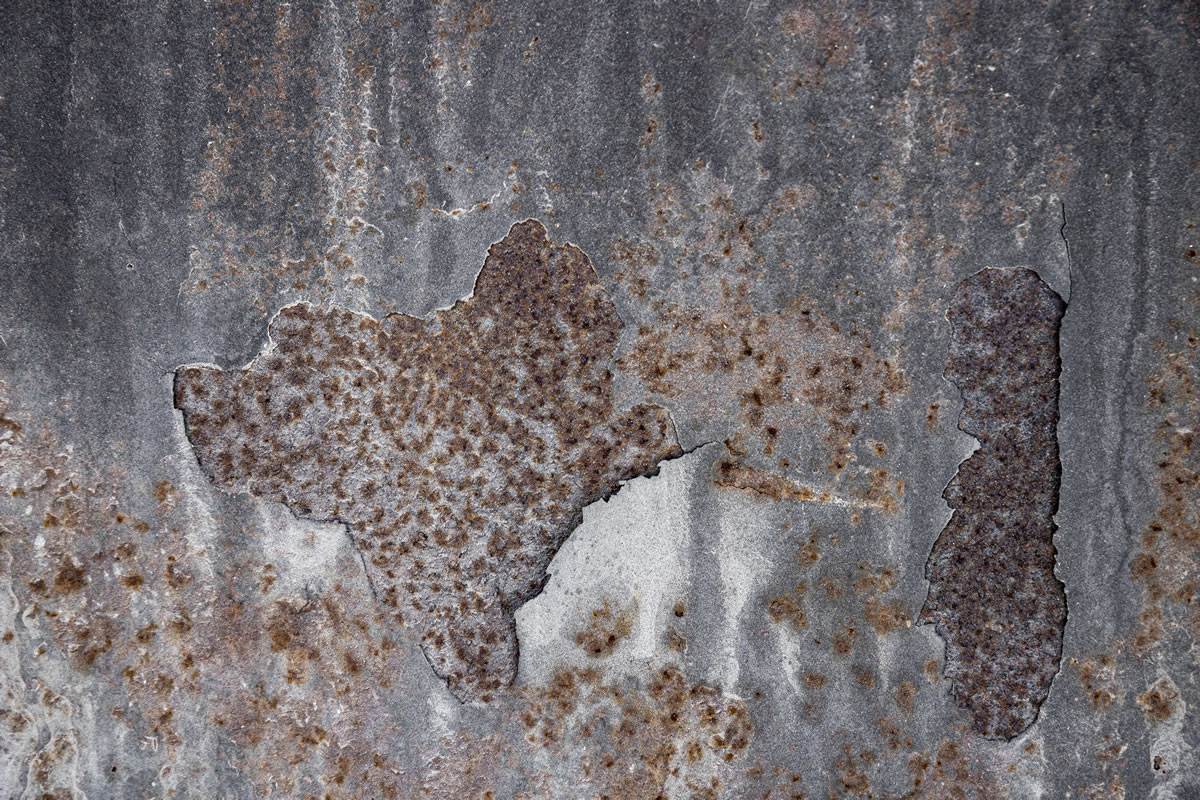
Pitting can also occur in a cooling tower, and in contrast to the previous example of corrosion, this tends to affect small areas – so small they are often tricky to see. This targeted type of corrosion also means the wall of the cooling tower (and indeed any other metal part) can be corroded in a short time.
Bi-metallic corrosion
It’s also possible for two different types of metal to touch each other and generate an electrical current. If this happens, corrosion (bi-metallic corrosion) can develop very quickly. It is therefore important to determine any areas where this might be a risk factor.
Managing the safety of the cooling water system to ensure bacteria are kept to safe levels, treating the water, maintaining a steady temperature, and removing any dissolved or suspended solids present in the water will all help reduce corrosion risk factors.
Tackling corrosive elements in steam boilers
Two of the biggest risks to the safety and operation of a steam boiler involve scale and corrosion. Therefore, reducing the amount of scale present in the system is essential if you are going to maintain its safety and operation.
It is essential to dose the boiler system with one or more products to maintain the water quality and to prevent as much scale and corrosion as possible. Oxygen levels also play a key role in how much corrosion is allowed to form within any system. The more oxygen there is in the water, the easier it becomes for corrosion to take hold.
Boiler water treatment should therefore focus on the need to keep these oxygen levels low. Testing can help confirm the composition of the water, which in turn will suggest the ideal dosing regime and treatment products to use.

Preventing water system corrosion is far better than dealing with the consequences
We have covered a few examples of how damaging corrosion can be in an open or closed water system. A closed system is always much easier to manage in terms of corrosion, but both types must be assessed to determine the makeup of the water, and which chemical treatments and processes can reduce corrosive factors.
The overall message here is to prevent corrosion wherever possible. Once it takes hold, it can damage any part of an open or closed water system, cooling tower or steam boiler. While closed systems are indeed easier to treat and maintain, they can still experience corrosion which will cause extensive, and often costly issues.
Some of the risk factors here include extensive downtime for equipment repairs. The cost of repairing or replacing certain parts of a water system are also significant. As we’ve seen with the pitting form of corrosion, it does not need to damage an entire system either. Pitting seen in one area of a large cooling tower can be all it takes to cause significant leaks that may require it to be taken out of service. If you focus on reducing corrosive factors, you can also reduce the risk of expensive and costly remedial action being necessary.
Industrial water treatment and corrosion control specialists
Water Treatment Services offer a comprehensive range of industrial water treatment solutions for the management and treatment of corrosion in water systems. Our experts can help you tackle scale and corrosion issues before they become problematic, increase costs affect productivity and decrease plant reliability and safety.
With offices in London serving the South and South East England, Manchester (North West), Birmingham (Midlands), Bristol (South East England and Wales), Leeds (North and North East) and Glasgow (Scotland), supported by regional teams of specially trained technicians, in-field specialists and consultants we can offer professional, cost effective water treatment and engineering services throughout the UK and Internationally.
Contact us today to learn how our industrial water management solutions can help you.