
Short Guide to Managing Trade Effluent
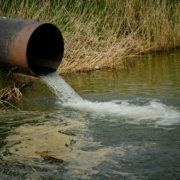
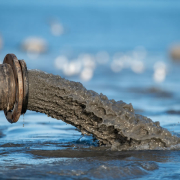
Effectively managing trade effluent, the liquid waste produced by certain industrial and commercial processes is an important responsibility for many businesses. Disposing of this waste incorrectly can result in hefty fines, environmental damage, and unnecessary operational costs. Whether you’re discharging effluent into public sewers, treating it on-site, or arranging for off-site removal, it’s important to understand your obligations and options to ensure compliance and sustainability.
This article explores the key methods available for handling trade effluent, including legal discharge requirements, on-site treatment systems, and tanker removal. It also provides guidance on how to assess your current effluent output, manage seasonal fluctuations, and implement cost-effective solutions that reduce environmental impact. Whether you’re new to trade effluent management or looking to improve your current practices, this guide will help you make informed decisions that support both compliance and operational efficiency.
Managing trade effluent
Trade effluent is business waste that is generated in liquid form. If your business generates trade effluent, it is your responsibility to ensure it is properly and legally dealt with. There are various ways this can happen, which we’ll cover in this article. We’ll also look at how you can manage the effluent generated by your business in the best possible way.

There are three ways to discharge your trade effluent
Depending on your circumstances, you may use one or more of the following methods to dispose of your trade effluent. It can be a good idea to seek professional advice on this topic, especially if you are just starting out and looking at the prospect of managing your trade effluent for the first time.
Option 1: You can discharge your effluent into the public sewers
As you can imagine, discharging into the public sewers requires permission. The process is covered under the Water Industry Act 1991, in Section 118. If you adhere to the requirements, there should be no issues with this process. However, exceeding discharge requirements can be costly for your business.
Option 2: Treating trade effluent on-site
There are various ways that you can treat your effluent on-site. It involves using multiple methods, and often multiple pieces of specialist machinery, to remove solids and other matter from the effluent, so that it may be cleaned enough to be used elsewhere on site. This can reduce the amount of trade effluent you will need to discharge, thereby making it easier to stay within regulations, and often more cost effective.
Option 3: Hiring tankers to collect and remove effluent
Using tankers to transport your effluent off-site essentially transfers the problem elsewhere, although of course, this is not without its own cost. There are limitations on how tankers of trade effluent can dispose of this waste. Further, it is not viewed as being environmentally friendly, which can create negative headlines for your business.
How to find the ideal way to manage your trade effluent
Firstly, it is essential to understand how much trade effluent your business produces and its composition. You should also consider whether your business has peaks and troughs throughout the year.
It is quite common for some businesses to experience busy periods, while others are far less so. This can have a knock-on effect on the amount of trade effluent that is produced at any one time.
This is worth thinking about in more detail, especially regarding the need for consent to discharge trade effluent into the sewers. As we noted above, this is a legal requirement, but you may well find that your business generates more trade effluent than the regulations allow for at some times, and less than this at quieter times.
If this is the case, you may wish to consider whether you can increase the available on-site storage capacity for the trade effluent you generate. This can help manage the flow throughout the year, rather than having to deal with excess amounts at certain times. Added storage works well in cases where you know there will be an increase in trade effluent due to an increase in business.
You can also look at ways to reduce the amount of trade effluent you need to discharge in the first place. This does require investment, of course, but you need to balance this investment against the risk of fines for exceeding discharge limits. You also need to consider the costs associated with having large amounts of trade effluent to get rid of.
For example, let’s assume you currently need to hire one tanker per month to take your trade effluent off site. If you can change the processes that you are currently using to enable you to process more trade effluent on-site, you can potentially reduce your reliance on tankers to get rid of it. When you start to look at the costs of using tankers each month, plus the risk of fines for exceeding discharge limits into public sewers, you can see there are savings to be made.

Assess your current effluent processes to decide where to go next
If you are looking at ways to save on discharge costs, the best way to proceed is by looking at your current situation. Hiring an wastewater expert to help in this respect will assist you in considering the options you can choose from going forward.
For example, an expert may suggest installing a recycling plant that will help you reduce the amount of trade effluent you need to get rid of. Processes including de-watering can help in this respect. There is also the chance that you can treat some effluent on-site which will generate water that is suitable for re-use in some areas of your business.
There are other simpler steps you can take to reduce effluent making it into the sewer system as well. If your business generates waste oils or fats, for example, a spillage might lead to some of it reaching the sewers, even if that is not the intended outcome. In this case, drain covers will eliminate this risk. You can also make sure you have proper processes in place to deal with any spillages, rather than risking them entering the sewer system.

The best approach to managing your effluent
As you can see, there are various ways to get rid of your trade effluent – but all methods have their downsides. Being able to treat as much of it as possible on site is by far the best solution, but this can involve significant costs. It is vital to weigh those costs against the relative costs seen in removing effluent via tanker and incurring potential fees or fines for excess discharge, though.
Hence why enlisting the services of a specialist company with experience in this area is the best route to take. They can view your current business practices, current situation, and processes, and identify different ways to change things to reduce the amount and flow of trade effluent your business produces. This may simply mean managing the flow so that it is more regular, rather than being unpredictable. However, as we have seen here, there are many other ways of managing this part of your business.
Industrial wastewater and trade effluent solutions
Water Treatment Services offer a comprehensive range of innovative wastewater and trade effluent solutions for business. Our specialists provide expert advice and support to help you identify the most appropriate strategies for the identification and implementation of cost efficient and environmentally sensitive wastewater treatment solutions for all industrial wastewaters and trade effluents.
With offices in London serving the South and South East England, Manchester (North West), Birmingham (Midlands), Bristol (South East England and Wales), Leeds (North and North East) and Glasgow (Scotland), supported by regional teams of specially trained environmental engineers and wastewater treatment specialists we offer cost effective environmental support solutions across the whole of the UK and internationally.
Contact us today to learn how our wastewater management solutions can help you optimise your treatment costs and improve environmental performance.