What Are the Advantages of Improving Wastewater Treatment Processes?
Improving wastewater treatment processes is not only an environmental responsibility but also a smart business move for UK companies. By ensuring that all wastewater is properly treated before discharge, businesses can avoid fines, reduce the risk of pollution, and enhance their reputation in an increasingly eco-conscious market. With tighter regulations and greater public scrutiny, staying ahead in wastewater management has become a vital part of maintaining operational efficiency and long-term sustainability.
This article explores the key benefits of improving your commercial wastewater treatment system. From avoiding costly fines and legal issues to strengthening your environmental credentials, we look at why investing in the right treatment processes makes sense. We also discuss the importance of regular assessments and wastewater testing, proper staff training, and future-proofing your system to meet the changing needs of your business.
The importance of the right wastewater treatment
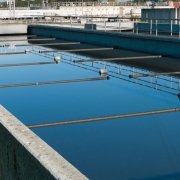
Throughout the UK commercial wastewater must be treated before being discharged. The first treatment stage separates solids from the water before removing them. This may involve letting some sink before removal, while other contaminants may float, allowing them to be skimmed off the water and removed that way. The second stage of treatment removes everything you cannot see – this might mean chemicals, bacteria, and other things such as nitrogen and ammonia.
While the contaminants that are present in wastewater will vary from industry to industry, one thing remains constant throughout all businesses that generate wastewater. This is the fact that all wastewaters must be properly treated before discharge. Since many businesses will require a permit to discharge into bodies of water, it is essential to make sure you can meet the terms of that permit.
This article will focus on the advantages of making sure your wastewater treatment processes are as good as they can be.

Your business can avoid fines for not meeting required wastewater discharge standards
We’ve already covered the reasons why wastewater is treated – namely to remove all contaminants from it to make it suitable for discharge into the surrounding environment.
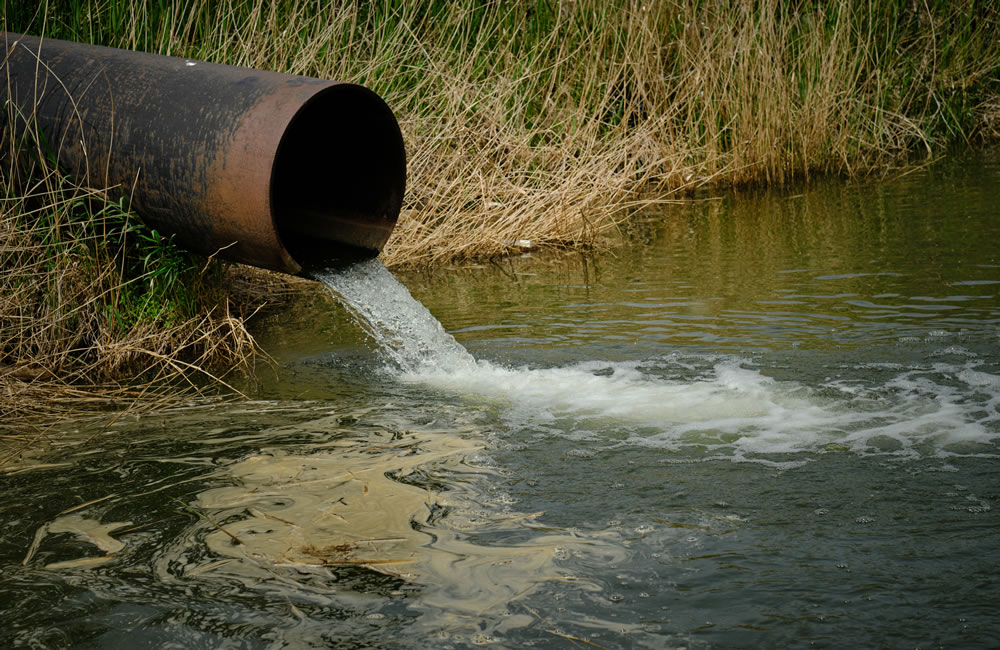
If you do not meet the required standards, you could receive fines. Of course, there will also be a negative impact on the surrounding environment. While one-off issues are difficult to deal with, ongoing problems could well lead to significant fines – prosecution and negative headlines for your business.
Hence why it is vital to focus on making sure you are using the best methods for wastewater treatment for your business. This is something that should be regularly reviewed, to be sure the best results are attained – and maintained.
Continued compliance means your business will enjoy a stronger environmental reputation
We are probably more environmentally aware now than we have ever been. This certainly extends to businesses in many industries. People want to be sure they are using the most reliable and trusted businesses around. Those with environmentally friendly processes are likely to be viewed more positively than those who do not focus on this area.
As you might imagine, businesses that continually get rid of wastewater that has not been sufficiently treated will garner negative headlines. If people show their opinion with their feet, it could further harm the bottom line of those businesses. When combined with the fines that would be due, you can see how this can create further trouble to contend with.
Choosing the right wastewater treatment system makes it easier to manage the process
There are various ways of treating wastewater, with some methods better suited to some industries or businesses than others. For instance, some businesses may end up with oil entering the wastewater, which requires skimming off before discharge. Other businesses may not need to worry about oil but may instead have certain chemicals or solids in the water that require different treatment methods to remove.
The best way to make sure you choose the best equipment for the task is to consult a professional. This will make it easier to identify what is in the wastewater and at what concentrations, which treatment processes will easily remove it, and whether anything is being missed that could lead to fines in the future.
When focusing on treatment processes, thought should be given to future needs as well. If the business is growing, it may well have greater volumes of wastewater to deal with. If the current equipment is almost maxed out, there is a real risk of leaks and other issues occurring. These can lead to fines if untreated wastewater leaks out and runs into the ground or natural water sources.
It’s worth mentioning training here, too. All staff that have a role to play in monitoring or maintaining the wastewater treatment system should have full knowledge of how it works and how to highlight any issues with it. Proper training will allow them to identify issues as soon as possible. That might mean calling in an expert to fix them, but early identification is essential if leaks and blockages are to be avoided.

Knowledge through proper training and testing of the wastewater will also help to make sure the equipment is working as it should be, and that there are no issues with the quality of the wastewater being discharged. Sampling the wastewater at regular intervals will provide confirmation that the system is working – and highlight any issues if it is not of the quality that it should be. This extends to the pH value of the water, too. insufficient training on the system might let a poor pH value go unnoticed for some time – thereby increasing the risk of wastewater that is not safe to discharge.
Begin by assessing your current wastewater treatment system
Assessing how you currently treat your wastewater will highlight whether your systems are working as well as you suspect – or whether there are any potential issues there. Maintenance or repair might suffice in some scenarios, but in other cases, it may be preferable to replace the current treatment system with something that will work better for your business.
Obviously, this will require input from experts – and it also requires investment. However, if you want to unlock the biggest advantages of getting on top of wastewater treatment processes, new equipment could be the way to do it. If your current system is operating at near maximum capacity, a bigger system could be a better option. It will reduce the chances of leaks and mishaps that would lead to fines.
Indeed, focusing on removing the risk of fines can help you see where cost savings can be made – even when you are investing in new wastewater treatment equipment. We’ve seen how good publicity is there for the taking, too – far more powerful than the negative headlines that would follow any fines your business picked up for getting it wrong.
The better the water quality is when discharged, the better and safer it is for your business. It begins by having the best wastewater treatment system for your business and requirements – and that may not necessarily be the system you currently have in place.
Industrial wastewater and trade effluent solutions
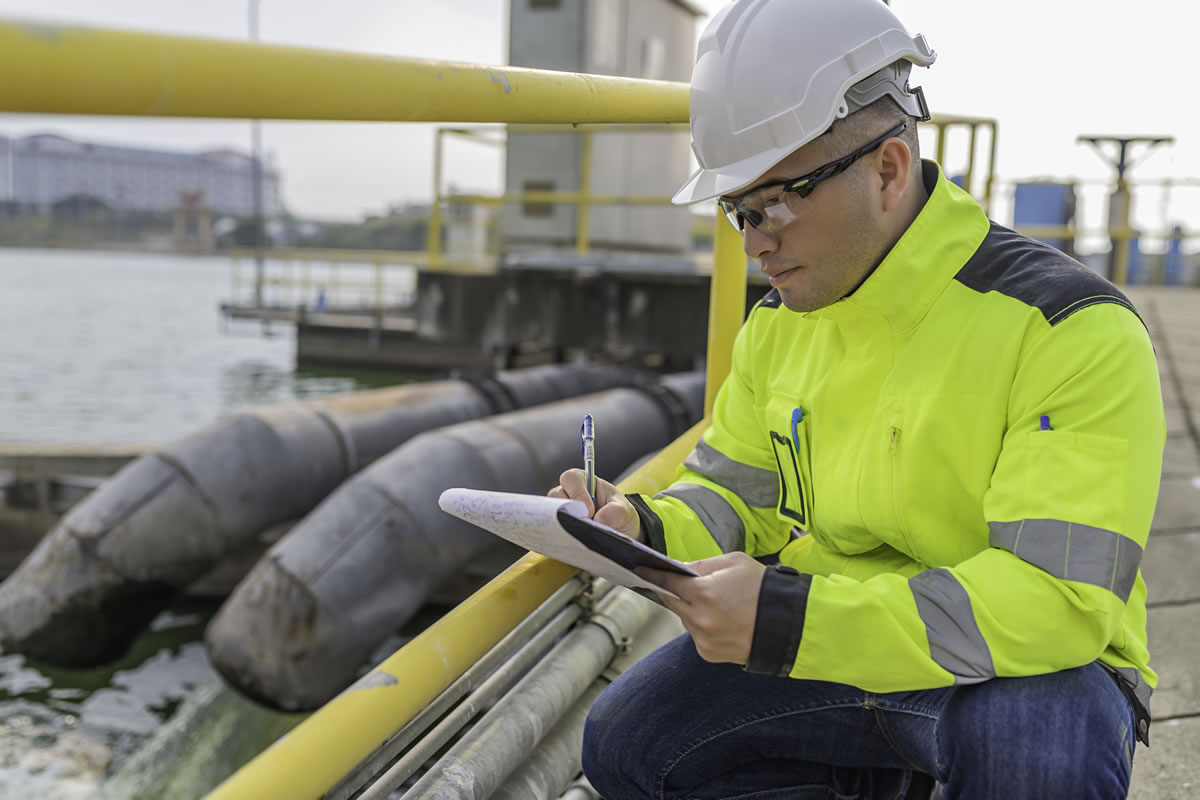
Water Treatment Services offer a comprehensive range of innovative wastewater and trade effluent solutions for business. Our specialists provide expert advice and support to help you identify the most appropriate strategies for the identification and implementation of cost efficient and environmentally sensitive wastewater treatment solutions for all industrial wastewaters and trade effluents.
With offices in London serving the South and South East England, Manchester (North West), Birmingham (Midlands), Bristol (South East England and Wales), Leeds (North and North East) and Glasgow (Scotland), supported by regional teams of specially trained environmental engineers and wastewater treatment specialists we offer cost effective environmental support solutions across the whole of the UK and internationally.
Contact us today to learn how our wastewater management solutions can help you optimise your treatment costs and improve environmental performance.