
Removing Heavy Metals from Industrial Wastewater
Heavy metals such as lead, cadmium, chromium, and nickel are common pollutants in industrial wastewater and pose serious risks to both the environment and human health. This article explores a range of effective treatment methods designed to remove these contaminants and ensure compliance with increasingly strict environmental regulations.
It reviews key treatment options including chemical precipitation, ion exchange, membrane filtration, and emerging solutions like biosorption and electrocoagulation. Each method is assessed for efficiency, cost, and suitability for different industrial settings, providing a practical guide to selecting the most appropriate treatment strategy for the removal of heavy metals.
Why are heavy metals a problem in wastewater?
Water is used in many ways in both industrial and process settings. Depending on how it is used, it may end up containing various dissolved heavy metals such as copper, cadmium, chromium, lead, nickel, tin and zinc, although this is not an exhaustive list.
While the water has been used and is no longer required, industry cannot simply get rid of it without first making sure all dissolved metals have been removed to satisfy local environmental standards. If this did not happen correctly, the contaminated wastewater could easily reach freshwater sources to cause serious pollution issues.
It’s worth remembering that a glass of water contaminated with heavy metals would look no different to a fresh glass of water that did not contain them. It is therefore imperative that steps are taken to ensure any industrial wastewater is treated and made safe before a business gets rid of it.
How does water contaminated with heavy metals affect the environment?
Wastewater contaminated with heavy metals could enter the aquatic environment, potentially harming all life there. Heavy metals do occur in nature, but the amounts are typically very small. Industrial and process wastewaters could potentially contain far higher percentages of heavy metals – high enough to cause harm in many organisms. It doesn’t take much thought to realise that such contamination can easily reach humans without too much trouble.
Therefore, any business that produces wastewater should consider whether they need to have water treatment processes in place to make sure the wastewater is dealt with correctly allowing it to be discharged safely.
How to remove heavy metals from wastewater?
When it comes to the treatment and removal of heavy metals from industrial wastewater there are several methods that work well, including membrane filtration, ion exchange, and chemical precipitation.
Adding chemicals is usually the easiest of these methods, as it requires no additional equipment or work to be done at the factory or industrial facility. There may not be room for such equipment to be added. Furthermore, chemical treatments often prove to be the more affordable method for many businesses.
Which industries require chemical treatment to remove heavy metals from wastewater?
Any business where metals are used in some part of the manufacturing process will need to adopt chemical treatments suitable for removing the heavy metals concerned. This will also apply to businesses that use some form of metal to create their finished product.
Should all industries use the same chemicals for wastewater treatment?
No – it depends on which metals are left behind once the industrial processes are complete. For example, one factory may end up with lead and mercury in its wastewater. A second factory producing something different just down the road could find it has iron and zinc in the water. Therefore, each factory will require a separate wastewater treatment programme from the other, designed to remove only those heavy metal waste products left in the water.
Using chelants and sequestrants to remove heavy metal ions
These are two chemical treatments regularly used to remove heavy metals from within industrial wastewater streams. Chelants are special chemicals that bind to metal ions, one at a time, with a range of different chelants able to bind with different metals. Therefore, if this is selected for treatment purposes, it is necessary to choose those that will remove the heavy metals present at that location.
Sequestrants are another type of chemical that provide an alternative method of heavy metal removal. These are bigger, yet they also use a binding technique to attach to the relevant molecules. In this case, though, their size means they can bind to several at once.
How to tell which heavy metal treatments will work best
No two businesses are identical, and even similar ones may have different heavy metals in different quantities left in the wastewater at the end of the processes they run.
This means it is essential for an expert in dealing with heavy metals in industrial wastewater, such as Water Treatment Services should look at what’s required before anything else is done.
A full inspection of the wastewater operations, existing treatment processes, regulatory consents and what goes into the water is required. They can then identify the correct chemicals to be added and at which stage of the process this should occur. It is also vital to get the chemical dosing at the correct levels. Adding too much or not enough can also lead to issues. It’s possible that not all the heavy metals will be removed or that there will be overdosing that adds unnecessary chemicals to the wastewater.
Trialling chemicals for your wastewater treatment processes
The best way to make sure the correct wastewater chemical treatment is selected is to run a trial first. This removes any danger of adding too many or too few chemicals to the system to achieve the desired results.
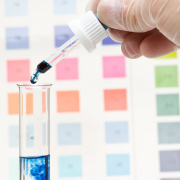
By taking samples of the wastewater and testing it for heavy metals, it becomes easier to identify the metals present and the best way to remove them. This means any adjustments required can be done during the testing process. Once complete, the treatment can be scaled up to accommodate the needs of the business and its wastewater.
Is it necessary to employ an external company to handle the required treatments?
Yes – everyone involved in the testing and examination process should be fully trained, experienced and equipped to assess the wastewater situation in any given business. They should know how to test the water to find out which heavy metals are present, and how to assess the right chelants and/or sequestrants to add to it – and in which doses.
All this involves a cost to the business. Yet it is a cost that is often worth paying. There are specialist companies that will take care of wastewater removal for businesses that require it. However, this too involves a cost. By treating your wastewater to remove the heavy metals that are left in it, more can be safely sent into the sewers without fear of contamination or heavy fines from environmental regulators.
Environmental benefits of wastewater treatment
There is also the plus point of taking care of wastewater treatment and disposal from both a commercial and reputational setting. It has become hugely important for modern businesses to show to their stakeholders and wider public that they are doing all they can for the environment. This is just another example of how this works. There can be positive coverage of the efforts made to make wastewater clean and safe, and to return it to the environment without causing harm. Not only will this remove any chance of fines but it will also make for good headlines.
Expert industrial wastewater treatment solutions
Water Treatment Services offer a comprehensive range of innovative water and wastewater management solutions for business. Our experts can provide advice and support to help you identify the most appropriate strategies for the identification, investigation and implementation of environmentally sensitive testing, monitoring and treatment solutions for industrial wastewaters and trade effluents.
With offices in London serving the South and South East England, Manchester (North West), Birmingham (Midlands), Bristol (South East England and Wales), Leeds (North and North East) and Glasgow (Scotland), supported by regional teams of specially trained engineers and wastewater treatment specialists we offer cost effective environmental support solutions across the whole of the UK and internationally.
Contact us today to learn how our heavy metal management solutions can help you reduce costs and improve environmental performance.