
Taste and Odour Problems in Drinking Water
In this article the water quality experts at Water Treatment Services highlight the most common causes of poor taste and odour problems in drinking water and what can be done to improve matters.
The article considers several possible causes of unpleasant smelling or tasting water and what can be done to improve drinking water quality. It looks at the suitability of water fixtures and fittings, the impact of hard water on taste, the causes of metallic tastes, mustiness, chemical smells and more.
Does location affect the taste of water?
The UK’s drinking water comes from a range of sources. Drinking water in different parts of the country tastes different too, because each water source has its own particular mix of minerals and chemical composition. Often, the taste and odour of drinking water does not cause a problem, but there are several steps you can take to minimise the effects.
Ensure your drinking water fixtures and fittings are up to standard
One quick way of minimising an unpleasant taste or smell from your drinking water is to choose fittings such as taps, pipes and water tanks which meet the standards set out in the Water Supply (Water Fittings) Regulations 1999. You can also minimise poor taste and odour in your water by:
- Never re-boiling drinking water which has already been boiled and then allowed to stand in the kettle. Any unwanted flavours are likely to become stronger when water is boiled multiple times.
- Always use fresh water straight from the mains tap for cooking or drinking.
- If you haven’t used the tap for a few hours, let it run for a short period before using water for drinking or cooking. Water can stagnate if it has been sitting in pipes for an extended period.
Does hard water affect taste?
Differences in the taste of drinking water are often caused by how hard or soft the water is. Many parts of England have water which is considered hard. Water which has been held underground in either chalk or limestone areas will be hard, with high levels of calcium and magnesium. By contrast, water in other parts of the UK which has been held in moorland areas is much softer.
What can cause a metallic taste in water?
One of the main complaints about drinking water is that it tastes metallic. One of the best ways of avoiding this problem is by not using water from the hot tap for cooking or drinking purposes. Often, metallic tastes in water are caused by metals such as copper or iron from the pipes dissolving in the water. It is a common problem with new pipework, and the metallic taste will tend to decrease over time as the insides of the pipe gets coated with a protective layer which then stops the metal dissolving. While you wait for this to happen, it’s often a good idea to run the tap to remove the water which has been lying in the pipes before using it to cook or drink.
Why does my drinking water taste and smell musty?
Again, musty tastes or smells are most often caused by water which has remained in the pipes for a period of time and has been left to stagnate. If your drinking water tastes or smells musty it’s best to run the tap for a couple of minutes to remove and stagnant water from the pipes first. Water removed in this way is ideal for watering plants, washing the car or other non-drinking purposes.
Sometimes, musty tastes and smells can be caused when your cold pipes are located too close to hot water pipes. Make sure that your hot and cold pipes are separated and insulated and that water for drinking and cooking is always taken only from the cold, mains supply. Using plumbing fittings such as pipes or taps which don’t come up to current standards can also cause musty odours in the pipes.
The weather, and ambient temperature, might also affect the flavour and smell of water. Hot weather in particular can lead to the growth of geosmin, which has an earthy flavour and is often associated with the breakdown of algae and other micro-organisms in raw water sources. Some people can taste this geosmin at very low concentrations in drinking water – parts per billion rather than parts per million.
Why does my water have a medicinal or disinfectant like smell?
A common complaint about drinking water quality is that the water smells or tastes medicinal, or like a disinfectant. The usual cause for this stems from the rubber components used in your taps which might have started to degrade such as flexible hoses, washers or sealing rings. Over time the chemicals found in these rubber components dissolve in the water, where they then react with the very small levels of chlorine, and this can create that classic disinfectant fragrance.
At low levels, these chemicals do not make the water unsafe to drink. But the taste and odour are not something everyone finds pleasant. In many cases, the medicinal or disinfectant smell comes from the cold water feed leading into appliances such as your washing machine or dishwasher. Fit a check or back-flow prevention valve onto the pipe feeding these appliances which will stop the water being diverted back towards taps used to supply drinking water.
A new kettle often supplies water with a medicinal taste, and this can often be avoided by following the manufacturer’s instructions about how often to boil or empty your kettle before first use. One way of checking whether the kettle is responsible for the chemical taste or smell is to boil your water in a saucepan for a hot drink instead, to see whether the taste disappears.
My water tastes of chlorine
In the UK chlorine is added to the drinking water supply to make it safe to drink. Water companies have a legal duty to disinfect the water to keep it safe. The levels of chlorine decrease over time, so you may find that the chlorine smell or taste is worse in the morning or evening, when lots of people are using water and it flows straight through the pipes into your home. If your home is very close to the water treatment works where the chlorine is added, this can make the taste stronger too.
If you don’t like the taste or flavour of your water then you can use a filter to treat the water before drinking or boiling in the kettle. Each filter is different, so it’s best to follow the manufacturer’s recommendations for cleaning and maintenance.
What causes salty tasting water?
If you are using an ion-exchange water softener in your home because you’re in a hard water area, then this can sometimes result in salty water from the softener getting back into the water system. Always follow the appropriate recommendations and instructions when installing water softening equipment to stop this from happening. It’s probably best to avoid drinking water which has been softened in this way, and keep the main kitchen tap for un-softened mains water only. Always get approved, professional companies to carry out any plumbing work on your home.
Why does my drinking water have a smell of drains?
If your property has been empty for a while, you might detect an unpleasant sulphur-like smell from the water. This usually happens when the smell from the waste trap affects the water, even though it does not make the water unsafe to drink. Fill a glass with water from the tap and take it into another room to drink. Often, the water will taste fresher, confirming that the waste trap is likely to be the source of your problem. Disinfect the drainpipe with bleach, disinfectant or a commercial drain cleaning product. Once this is done make sure you refill the trap with water to give it an air-tight seal.
Water tasting of solvent, petrol or diesel
These solvent type smells and tastes are often caused by accidental spills of oils or chemicals close to where your water pipes are running, or even in to water storage vessels. The chemicals found in these products can seep through plastic pipes to cause unpleasant smells and tastes in your drinking water. Prevent fuel spills and leaks around your home by:
- Regularly checking that the pipework is in good condition.
- Have your oil tank inspected at least every year by a properly qualified engineer.
- Making sure that your insurance covers you for leaks and other problems with oil and fuel tanks.
- Keeping your fuel tank locked securely.
- Monitoring the level of oil in the tank properly.
What are the causes of particles in drinking water?
Visible particles in drinking water are usually not dangerous. The most common causes for solid particles in water are:
- Limescale – Limescale particles are usually white, but can sometimes look blue/green or brown depending on whether your pipes are made from copper or iron. Scale particles which form inside a kettle can sometimes also dislodge from the internal surfaces and get into hot drinks, or float as a fine film on the surface. Always empty your kettle after every use, and rinse it before boiling again.
- Water Filters – Water filtration and softening products can sometimes allow particles into the water. If this happens you should contact the equipment manufacturer to ask for their advice.
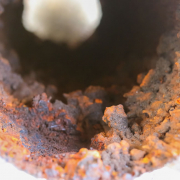
- Corroded Pipes – Small particles of corroded material from inside the pipes might appear in your water with a similar appearance to grit or sand.
- Microbiological Growth – Microbiological Growth probably isn’t from the water itself, but bacteria living on taps and surfaces can affect water quality. Keep on top of your cleaning regime, especially around the sink, taps and any water storage tanks. It is also good to keep your water at the correct temperature and flowing so you avoid stagnant conditions which can encourage bacterial growth.
Water quality testing and analysis
Water Treatment Services offer a comprehensive range of water quality testing and analysis solutions for drinking water, surface water, groundwater and industrial effluent. Our experts can provide advice and support to help you determine water quality issues.
With offices in London serving the South and South East England, Manchester (North West), Birmingham (Midlands), Bristol (South East England and Wales), Leeds (North and North East) and Glasgow (Scotland), supported by regional teams of specially trained technicians, in-field specialists and consultants we can offer professional, cost effective laboratory analysis solutions across the whole of the UK and internationally.
Contact us today to learn how our water quality analysis solutions can help you.