 Water Treatment Services
Waterborne Diseases: Common Waterborne Pathogens and How to Prevent Them
Waterborne diseases remain a major public health problem in many parts of the world, despite being largely preventable. While people in the UK rarely have to question whether their drinking water is safe, millions of people elsewhere continue to rely on contaminated water sources, increasing the risk of serious illness. Understanding how these diseases spread is an important step towards protecting both individuals and communities.
This article explains what waterborne diseases are, how contaminated water becomes a source of infection and why some countries are affected more than others. It also looks at several of the most common waterborne diseases, offers practical advice for reducing the risk of infection when travelling, and highlights the importance of good hygiene, safe drinking water and appropriate vaccination before visiting higher-risk areas.
Common waterborne diseases around the world
Many of us take fresh clean water for granted. However, millions of people around the world each year fall ill with one of several waterborne diseases. Some recover, but others do not, with hundreds of thousands dying from preventable diseases caught from a contaminated water supplies.
Here, we look at some of the most common waterborne diseases and what we can do to prevent them.
What are waterborne diseases?
A waterborne disease is a disease caused by a microorganism found in water supplies. These microorganisms can be found in substandard and unsanitary water supplies. They can also find their way into otherwise clean water that becomes contaminated with faeces. Hence why countries with unsafe water supplies and problems with sanitation tend to have many more cases of waterborne diseases.
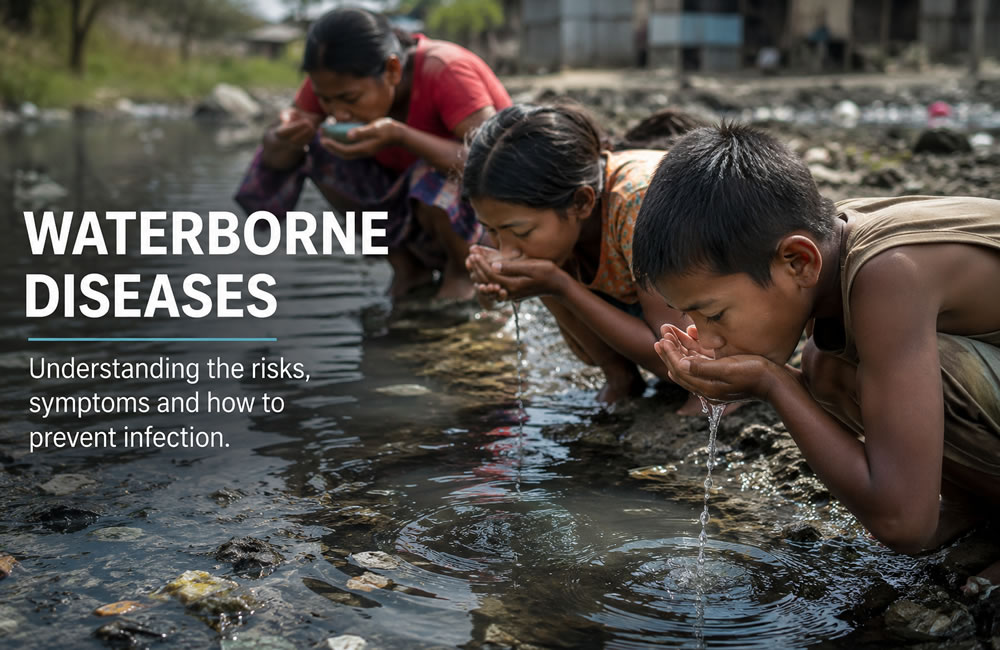
In developed countries, we know what we need to do to maintain safe water. We can trust the water that comes from our taps. However, in some countries, there is no water supply, and people must travel to ponds, streams, and even swamps to find water – even though such supplies are far from safe to drink.

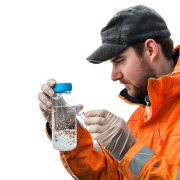
| Laboratory analysis helps identify microorganisms and pathogens that may contaminate drinking water and cause waterborne diseases.
The most common waterborne diseases and their causes
Here are seven common waterborne related threats to health, many of which are virtually unknown to those in developed countries, but remain common threats to those in developing countries:
The last three are likely more familiar to you, since cases of these waterborne diseases can still occur in developed countries. E. coli exists in several forms, some more harmful than others.
Common symptoms of waterborne diseases
Symptoms will depend on the microorganism responsible, but many infections cause similar early signs. Common symptoms often include diarrhoea, stomach cramps, nausea, vomiting, fever and tiredness. In more serious cases, people may become dehydrated, see blood in their stools or develop symptoms that require urgent medical attention. Young children, older adults and people with weakened immune systems tend to be more vulnerable to severe illness.
If you develop symptoms after drinking water you believe is unsafe or you are travelling in an area where waterborne diseases are common, it’s important to seek medical advice quickly.
Drinking plenty of fluids to replace those lost through diarrhoea and vomiting can help reduce the effects of dehydration. However, if symptoms such as high fever or bloody diarrhoea continue, you should see a medical professional as soon as possible. Early diagnosis and treatment can help prevent potential complications and reduce the spread of infection.
How to prevent waterborne diseases
Since these diseases are commonly spread via unsafe water sources, always make sure the water you drink is safe. This may mean resorting to bottled and sealed water whenever you visit a country that does not have safe tap water to drink or use.
If you go abroad to a country that is known to have problems with one or more of these waterborne diseases, only ever drink from sealed bottles of water. Avoid food sold by street sellers, since you cannot be sure how this has been prepared, washed or cooked. Further, there is a chance that the street sellers may not have clean hands, so even if the food is correctly cooked, it may be contaminated through handling.
Make sure you regularly wash your hands or use sanitiser (it’s ideal to always carry this around with you and use it regularly).
Another good tip is to avoid any fruit unless you can peel it yourself.
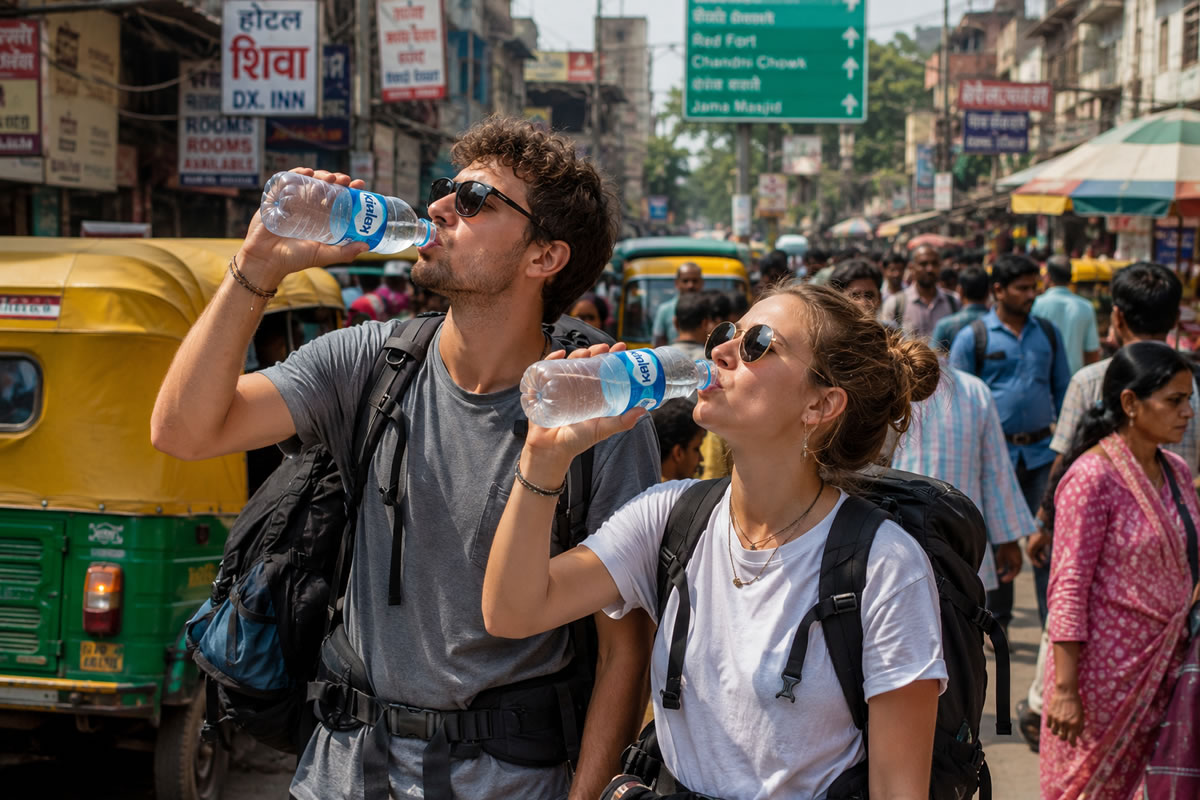
| When travelling in countries where drinking water quality may be uncertain, choosing sealed bottled water can help reduce the risk of waterborne disease.
Travel vaccinations for waterborne diseases
Vaccines are available for typhoid fever and hepatitis A, so if you know you are going to visit a country that does not have safe water available and is known for these diseases, do get the vaccines before you go. If you do fall ill, seek medical advice quickly. Drink regularly to avoid becoming dehydrated, and always see a doctor if you notice your stool contains blood.
Why awareness of waterborne diseases matters
A simple awareness of waterborne diseases can make a big difference, especially when travelling or working in areas where safe drinking water and sanitation cannot be taken for granted. Most infections can be avoided by following sensible precautions, drinking safe water, practising good hand hygiene and seeking medical advice before travelling to countries where these diseases are common. Prevention is almost always easier than treatment.
While the UK has high standards of drinking water quality, water safety should never be taken for granted. Good engineering, effective water management and hygiene all play an important part in protecting public health. By understanding where the risks exist and taking practical steps to reduce them, we can all continue to enjoy safe water supplies while helping to reduce the impact of waterborne diseases around the world.