Creating a Safe Swimming Pool Environment
Many people take swimming for granted. They assume the pool they’re visiting is safe, clean, and fine to use – and it should be. There are many recommendations and guidelines to follow that ought to ensure all swimming pools throughout the UK meet high standards, including those from the Health and Safety Executive (HSE) and the Pool Water Treatment Advisory Group (PWTAG).
This article will cover some of the most important measures you can take if you have responsibility for managing and maintaining a safe swimming pool and its water quality.
Safety first in and around the swimming pool
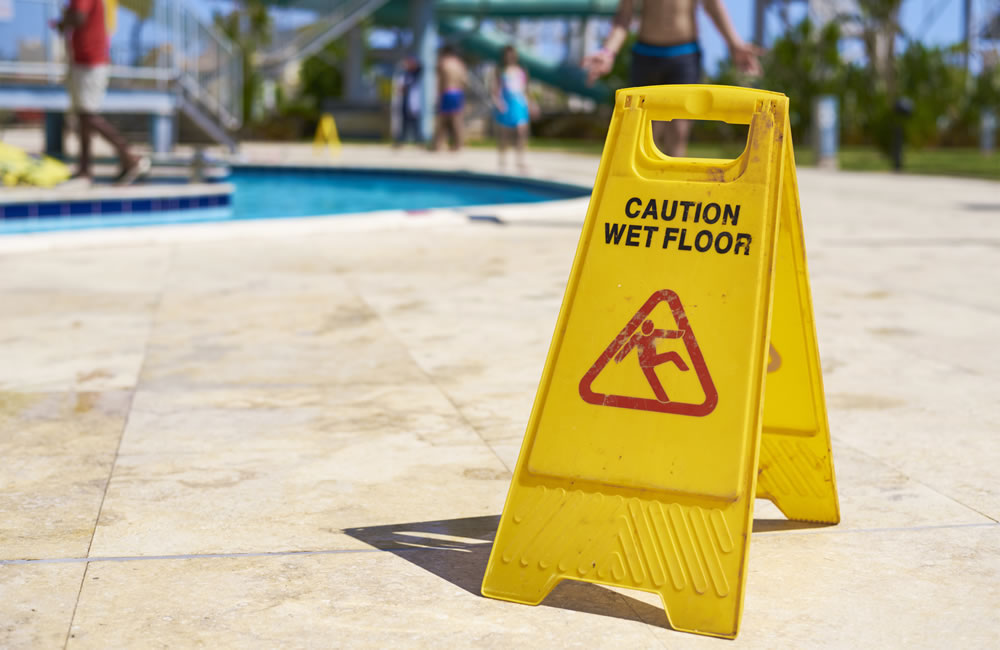
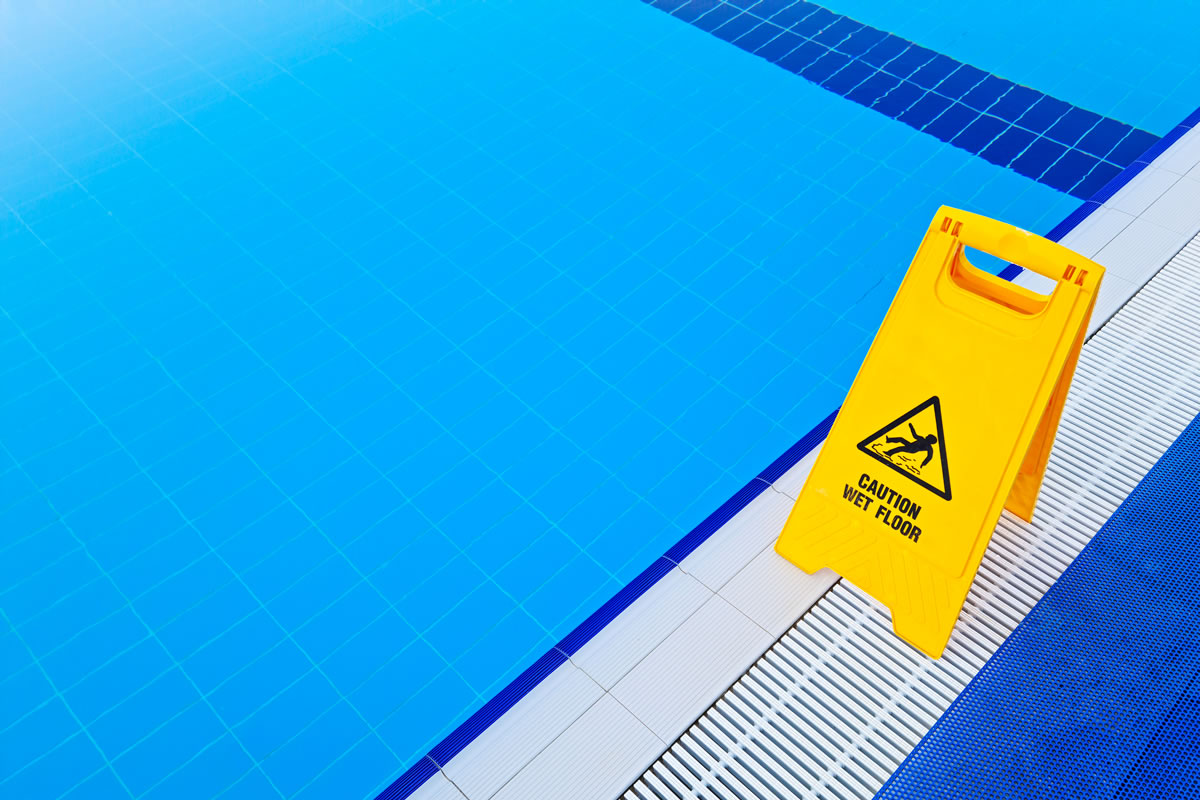
Safety begins with the environment – not just in the pool but around it and extending to the changing rooms. The flooring should be safe, clean, and free from trip hazards and slippery areas. Regular cleaning and maintenance checks can ensure this is the case.
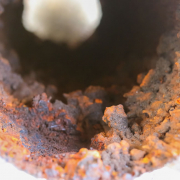
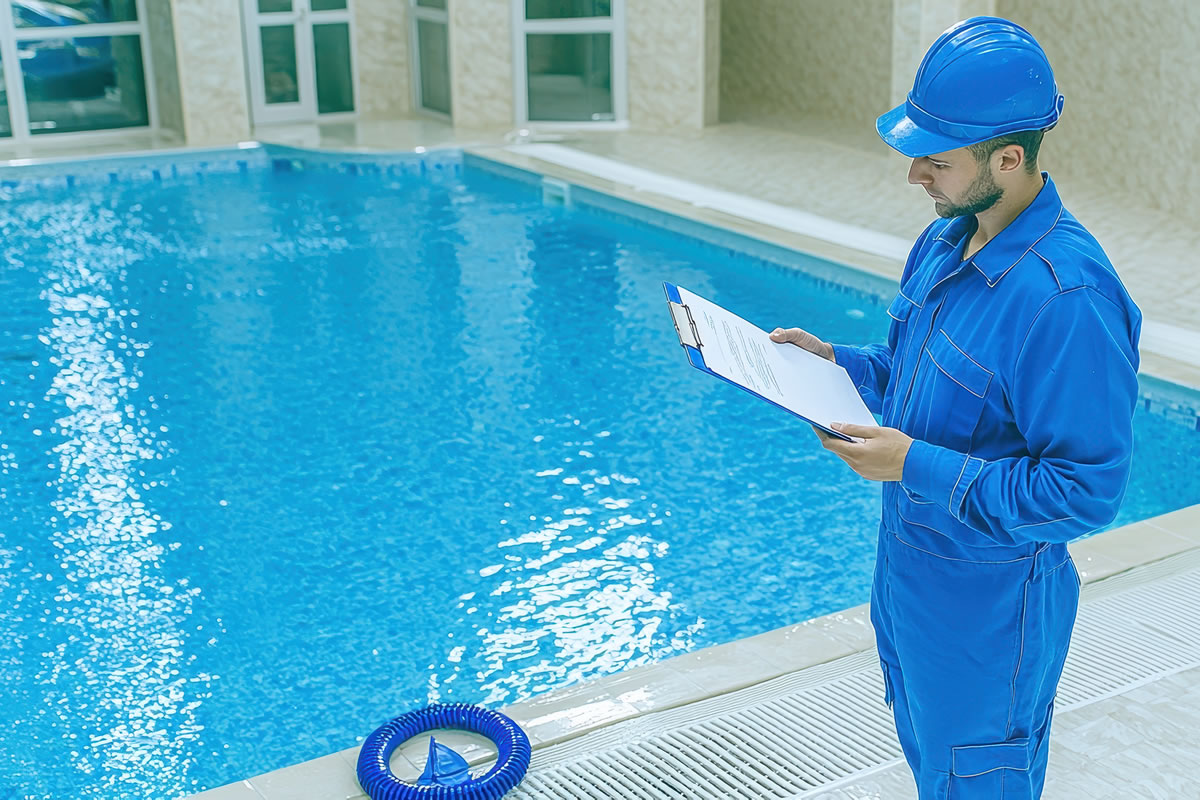
Maintenance is particularly important in and around swimming pools, given that people, water and chemicals are all involved. Identifying any potential areas of corrosion, wear or contamination is vital when they first appear, so that remedial actions can be taken to resolve them in a timely manner.
Relevant safety signage also has an important role to play in this area. You should determine which signs you need to show at the pool and where they must be placed. There are Safety Signs Regulations that cover this in depth which are well worth reading. One of the more obvious signs required at all pools provides depth information, so swimmers can see when they are in the shallow end or the deep end.
Are your pool outlets safe?
A pool outlet is used to take water from the swimming pool for circulation purposes. It can create a suction effect, and there have been accidents where individuals have been trapped with one of these.
You’ll notice that we mentioned outlets in plural in this subheading. That’s because having two outlets is safer than having only one, as it reduces the pressure and therefore reduces the risk of an accident. In all cases, however, the pool outlets must have suitable covers that cannot be damaged or removed by anyone using the pool. You should also check the condition of these each day and address any issues immediately.
Focusing on unauthorised access to the pool, plant room and chemical stores
Ensuring good security to prevent unauthorised access doesn’t just concern the pool – you must also make sure all chemicals, cleaning materials, plant and equipment are kept locked away and out of reach of anyone else. Security measures will vary depending on whether you manage an indoor or outdoor pool.
It’s also crucial to ensure that any electrical equipment in use is also out of bounds. Such equipment should remain in so-called dry areas where possible. In cases where sockets or other electrical equipment is required for use near the pool, it should be designed to reflect this. It should be able to withstand being immersed in water should that ever occur.
Treating and testing swimming pool water
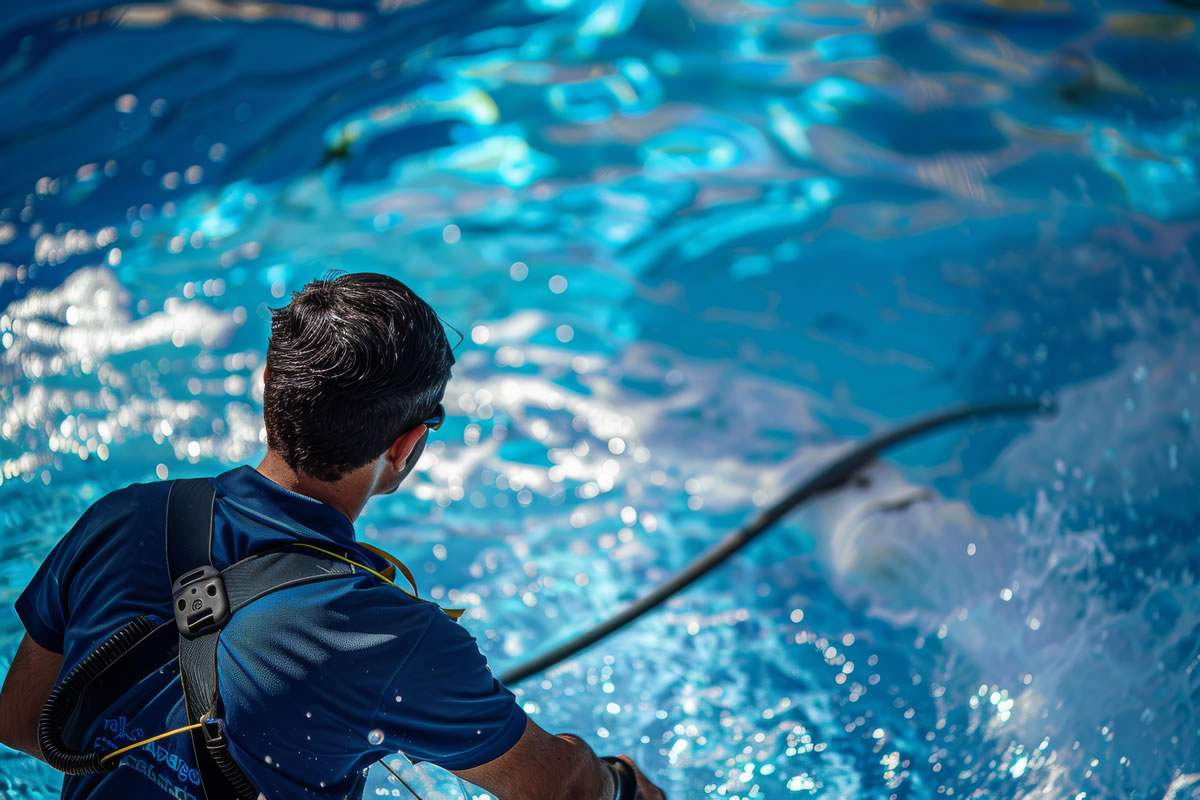
Water treatment and testing are both ongoing tasks, since bathers will introduce all manner of pollutants into the pool. Good filtration will help to ensure that bacteria and other pollutants are removed from the pool. Treating the water via disinfection will work alongside filtration to ensure the pool water is safe and remains clear. If it is cloudy at any point, it could indicate a problem that must be dealt with before anyone can use the pool.
While disinfection is an essential part of swimming pool cleaning and maintenance, it is important to make sure the water balance is correct. Too much disinfectant can be just as harmful as too little, albeit in different ways. Regular pool water testing to check the levels of chlorine is essential and should be done several times per day depending on how many people use the pool. You can check pH levels at the same time as well.
Microbiological testing of pool water
Microbiological testing of pool water is more involved, and while samples can be taken by members of staff who know what to do, sample testing can only be done by a specialist laboratory. Ideally, the sample should return safe levels of microbiological activity in the pool water and your testing specialist can advise here.
A good example of a bacterium that can cause serious illness in humans is Legionella. This can thrive in areas where warm water between 20-45 degrees Celsius is present, especially where spray or mist is created, which can occur in hot tubs and spas. If people inhale spray that is infected with Legionella bacteria, they may go on to develop Legionnaires’ disease which is a serious pneumonia like condition affecting the lungs.
If the swimming pool or hot tub is properly maintained and cleaned, there should be no reason for Legionella bacteria to take hold. The same applies with the showers. Water heated to at least 60 degrees Celsius should be delivered via the shower head at 50 degrees Celsius for safety. Regular cleaning, disinfecting, and descaling of the shower heads is another essential task that can help to maintain safety standards.
Staff training plays a crucial role in maintaining a safe pool environment
This holds true for everyone working at the swimming pool. There should be enough lifeguards with proper training and qualifications depending on the size of the pool.
Further, anyone responsible for testing water quality, taking water samples, or managing cleaning and maintenance tasks should also be adequately trained. It is also important that everyone has knowledge of the risks posed by pool water that has not been properly treated. This will ensure that any risk of Legionella or other waterborne pathogens can be kept as low as possible, for the safety of all those working at or using the swimming pool for leisure purposes.
Expert pool water testing
Water Treatment Services offer a comprehensive range of water quality testing and laboratory analysis solutions to support owners and operators of swimming pools, spas and hot tubs. Our experts can provide advice and support to help you identify the most appropriate strategies for the on-going management of your pool facilities to keep them safe and in tip-top condition.
With offices in London serving the South and South East England, Manchester (North West), Birmingham (Midlands), Bristol (South East England and Wales), Leeds (North and North East) and Glasgow (Scotland), supported by regional teams of specially trained technicians, in-field specialists and consultants we can offer professional, cost effective water management and laboratory analysis solutions across the whole of the UK and internationally.
Contact us today to learn how our expert water management solutions can help keep your pool waters clean and safe to use.