
Common Soil Contaminants and Testing
In this article the environmental specialists at WTS highlight some of the most common soil contaminants and explain why and under what circumstances you should test contaminated land and brownfield sites.
The article briefly explains what soil is, lists some of the most common contaminants, explains how to tell if soil is contaminated, and how soil sampling and analysis can help land owners, farmers, developers, building contractors and engineers.
Soil is all around us, yet we don’t often think about it unless we’re buying “brownfield land” that may be potentially contaminated, preparing the ground for new buildings, planting crops or simply digging in the garden. Only geologists, property developers, builders and engineers, farmers and expert gardeners are ever likely to consider its composition in great detail.
What is soil made from?
Soil is derived from rocks exposed to the weather. It contains mineral particles from the rocks in the area, along with different organic materials. Water and air are also present. These four components are always present in soil, yet the exact composition can depend on many factors, not least the area the soil is found in.
However, while soil in many areas does only consist of these four components, other areas contain contaminated soil – soil where other unwanted components are also present. It’s likely not a surprise to learn that the most common contaminants are caused by human activities. Waste products from human activities of all kinds can get into soil in a particular area and this can become problematic.

Common soil contaminants
Common soil contaminants include:
- Copper
- Lead
- Arsenic
- Cadmium
- Zinc
- Pesticides
- Nitrate
- Mercury
- Nickel
- Iron
- Asbestos
- Polycyclic aromatic hydrocarbons
- Heavy metals
- Fertilisers
- Trichloroethylene
- Total petroleum hydrocarbon
- Barium
- Hexavalent chromium
- Creosote
- Radon
What is the main cause of soil contamination?
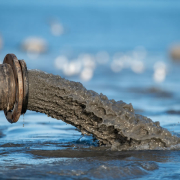
Soil contamination can occur in several ways, but activities indulged in by humans are at the root of them all. For example, industrial waste, whether through byproducts, waste, or wastewater, can all cause soil contamination. Mining can also disturb the soil balance in a specific area. Any human activities occurring in an area, whether in industry or in developing a site or building new properties, can disturb the soil in this way.
What happens when soil is contaminated?
If soil becomes contaminated and is not dealt with, via removal or treatment, it can lead to significant risks to the environment and to human health. It may also come into contact with water sources and lead to water contamination. This can put aquatic life at risk, causing a knock-on effect that could take years to put right.
It is always far easier to prevent contamination occurring to begin with than to rectify it after it has occurred. Not all signs are visible, and therefore some can easily be missed.
Chemical treatments used during agricultural processes
Farming creates crops for us to eat, and of course, there is animal farming too. Both types can lead to an upset in the balance of the soil. Crops require pesticides to protect them, along with a range of similar products intended to help produce the best, fast growing crops. These can upset the balance of the soil, especially if leaks or spillages occur owing to accidents, improper storage or unregulated disposal.

Heavy metal contamination of soil
Heavy metals can pollute soil in many industrial areas. The big risk with heavy metals is that they never degrade over time. This means that if more heavy metals leach into the soil as time goes on, the levels will rise further. Industries must take all necessary steps to make sure they do not allow heavy metals or other contaminants to find their way into the soil.
Asbestos and lead in soil
It may surprise you to learn that asbestos can naturally occur in some soils. A lot depends on where in the world you are; for example, it is more common near to geological fault zones.
However, raised levels of asbestos can occur in soil when demolition projects have not properly accounted for the safe removal of asbestos previously used in construction of the building. Asbestos is relatively safe when intact; a section of wall cladding or roofing that has not been damaged would therefore be safe. However, if the cladding or roofing section has been damaged and has begun to release fibres, these can be inhaled and cause damage to the lungs. This can also occur if the fibres are left to go into soil in the demolition area.
As for lead, this can also occur in soil at natural levels. However, as with asbestos, there is a chance that soil contamination could occur if too much lead is allowed to leach into the soil. Historically, lead was commonly used in petrol and in paint, so some areas exposed to relevant activities could have raised levels of lead in the soil.
Waste products and contamination caused by oil and natural gas exploration and extraction
While many countries are focusing on more environmentally friendly and renewable sources of energy for the future, many still drill for oil and tap into natural gas reserves too.
These activities can lead to soil contamination owing to leaks from pipelines, especially if those leaks are not immediately discovered. Such leaks tend to be on a potentially larger scale, too.
How do you know whether the soil is contaminated or not?
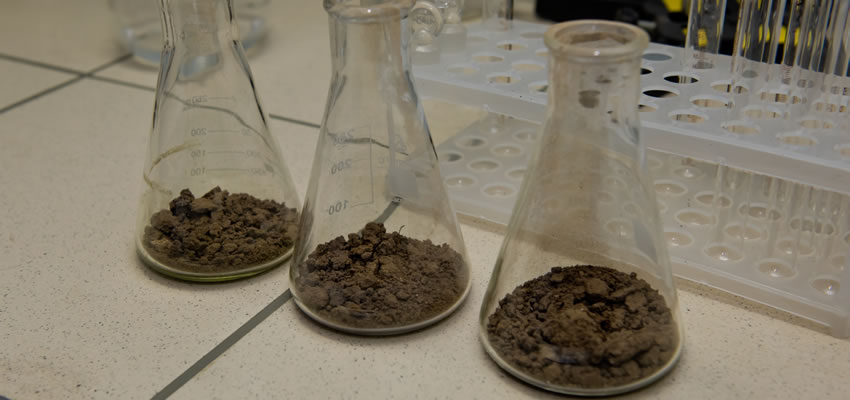
Soil testing is required to identify the composition of the soil in a particular area. There are specialist companies such as WTS that can undertake soil contamination testing. Such testing is done when soil samples are taken to an accredited laboratory. It is possible to take samples yourself, but experts who understand the process will be able to better identify the correct locations on a site to take samples from. This will provide a full picture of the condition, and types and levels of contamination of the site in question.
Why do you need to take soil samples to find potential contamination levels?
There could be several reasons for taking samples of the soil. Firstly, you may be considering purchasing a site, and you wish to know whether there is significant soil contamination there or whether the site is clean.
Secondly, you may already be running operations on the site, and you need to know whether there are any soil contamination issues that you must remedy. Alternatively, you might already be running various processes intended to prevent harm to the soil, and you want to check whether they are working correctly.
You may be a property developer or building contractor looking to redevelop a potentially contaminated site to construct new buildings and need to understand if the land is contaminated, what and where the contaminants are located and at what levels.
Taking soil samples for testing gives a full picture of what might be happening underground. While oil leaking into the soil is a visible sign of an issue, not all signs are this obvious. In some cases, there could be contaminants finding their way into the surrounding soil that are not obvious until testing of the soil is completed. With the test results in hand, it is possible to find a solution to help remove those contaminants, and to make sure no further contamination occurs. This will protect those using the land and the environment long into the future.
Soil testing and laboratory analysis solutions
WTS offer a comprehensive range of soil testing and laboratory analysis solutions for the detection of a range of contaminants to support organisations involved in the redevelopment, remediation and management of contaminated land and brownfield sites.
With offices in London serving the South and South East England, Manchester (North West), Birmingham (Midlands), Bristol (South East England and Wales), Leeds (North and North East) and Glasgow (Scotland), supported by regional teams of specially trained technicians and consultants we can offer professional, cost effective soil testing and laboratory analysis solutions across the whole of the UK.
Contact us today to learn how our soil testing and analysis services can help you deal more effectively with contaminated land and brownfield sites.