How Important Are Biocides in Water Treatment?
In this article the industrial water experts at WTS consider the importance of biocides when developing effective water treatment programmes. We look at the different types of biocides, explain how they work, and conclude by reviewing how they are used to maintain clean, efficient and safe water systems.
Water is used for everything from hydration to recreation. It is also used extensively in all manner of industrial and commercial processes including heating and cooling systems, boilers and cooling towers. Yet there is one thing in common with all these – the water used in the process is always at risk of becoming unsafe due to bacterial growth, contamination and biofilm colonisation.
The dangers of bacteria in water systems
Water systems of all kinds, both large and small, can be affected by many different microorganisms. One of the most familiar examples to many people is Legionella, the bacteria that causes the potentially life-threatening Legionnaires’ disease. The disease was named after an outbreak of a previously unidentified illness at an American Legion convention in Philadelphia, USA in 1976. The case saw 182 people falling ill, of whom 149 had attended the convention. Twenty-nine people lost their lives because of the outbreak, which was found to have been caused by the cooling tower that ran the air conditioning in the hotel that hosted the convention.
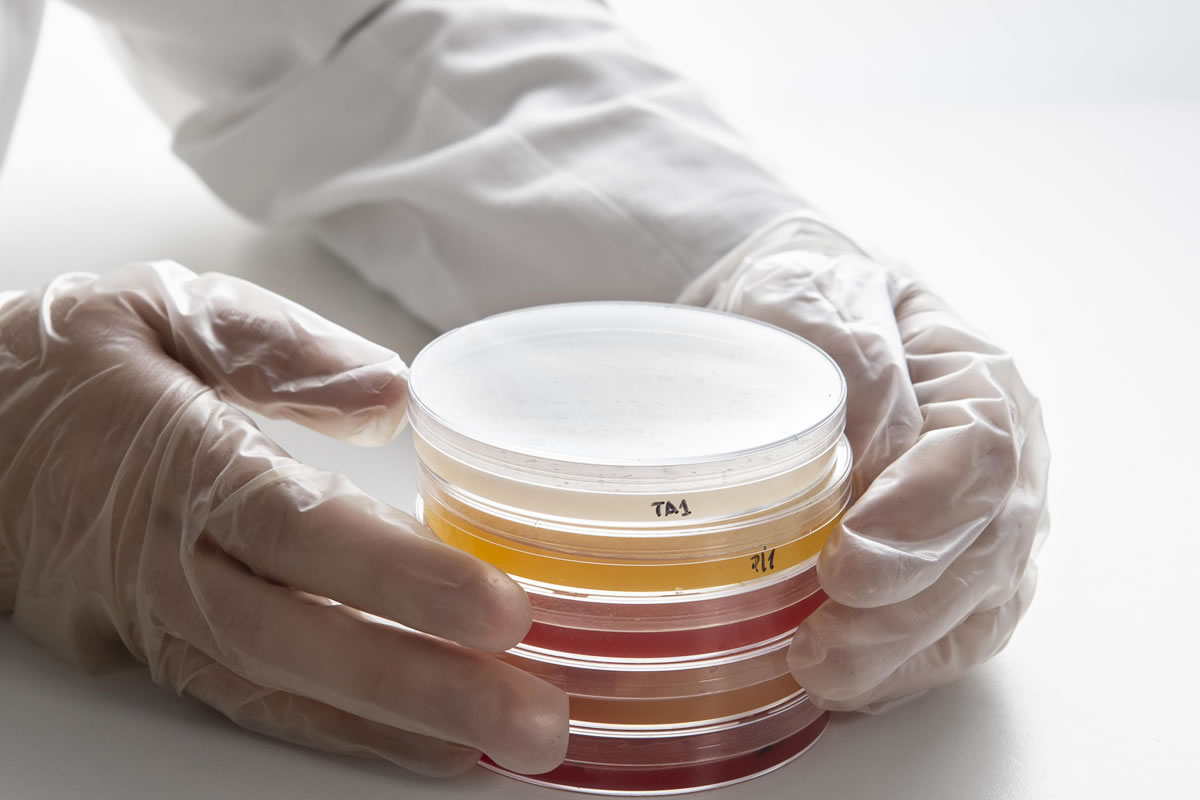
Since then, we have learned plenty about waterborne bacteria including Legionella. One of the best ways to control their growth is to use specialist biocides to treat the water. Treatment is typically a continuous process, implemented along with regular testing, cleaning and maintenance, to ensure water systems do not provide a haven for any waterborne bacteria to survive.
What is a biocide?
Biocides are speciality chemicals used to kill or inhibit the growth of harmful organisms, such as bacteria, algae, and fungi. They play a critical role in controlling biological growth in water used in drinking water systems, industrial processes, cooling towers, and other water treatment applications.
There are two types, oxidising and non-oxidising biocides. Oxidising biocides disrupt the cell walls of microorganisms through a process called oxidation. Examples include chlorine, chlorine dioxide, hydrogen peroxide and ozone.
Non-oxidising biocides work by disrupting the cellular processes inside the microorganism. Common types include glutaraldehyde and quaternary ammonium compounds (quats).
Biocide treatment options
As we’ve already highlighted, there are different types of biocides and these can be used depending on the type of water system they will be added to and the problems faced. The best choice will depend on a range of factors, including cost and how good the biocide is at eradicating the bacteria and microorganisms present in the water.
Oxidising biocides
Oxidising biocides perform well in both respects, particularly when it is important to ensure the water is safe and hygienic, especially if there is a particular risk of Legionella, along with Pseudomonas bacteria (specifically Pseudomonas aeruginosa). Not only does an oxidiser quickly kill the bacteria in the water, but certain biocides (e.g chlorine dioxide and silver stabilised hydrogen peroxide) can also help to reduce the amount of biofilm the bacteria use as a protective hideout on the internal surfaces of water systems.
Non-oxidising biocides
There is also a non-oxidising biocide alternative, although this should not be used on its own. This is because it cannot deal with resistant flora that is present in the water system. Hence, while it does play a key role in water treatment processes, it should be used alongside one or more other similar products to help combat all bacteria and microorganisms in the water.
Is chlorine dioxide a good biocide?
Chlorine dioxide is an excellent option to consider as a water sanitiser as it is effective against a wide range of organisms and will breakdown biofilm. It is a good option in hospital or care settings and is regularly the treatment of choice in the food industry. It also performs well when the water is more heavily alkaline in nature.
The benefits of using biodispersants
Another product that will aid overall disinfection and water treatment effectiveness is a biodispersant. Biodispersants are special chemicals that help to break up microorganisms and disperse them within the water where they can be flushed away, hence the name. When used alongside an effective biocide water treatment programme, they can help the chosen biocide do its job in removing the microorganisms from the water.
Since microorganisms also aid the formation of biofilms, which can help to protect and feed bacteria and encourage them to grow, a good biodispersant will also play a role in preventing problematic biofilms from forming, which is a big plus.
Choosing the correct biocide treatment for your water system
Obviously, no two water systems are identical. Each one has a different set of risks depending on how it is used, designed and maintained. As such, an individual case-by-case approach must be taken to ensure the best outcome when using biocides to maintain good water quality and a safe water system.
Someone who is trained and qualified to understand the risks posed by water systems and the bacteria that can form within them should take responsibility for the design and implementation of a suitable treatment programme. That’s something we can help with. Get in touch today to find out more about biocides and their usage.
Industrial water treatment solutions
Water Treatment Services offer a comprehensive range of innovative water management solutions for business. Our specialists provide expert advice and support to help you develop the most appropriate strategies for the identification and implementation of cost efficient and environmentally sensitive water treatment solutions for industrial and process waters, and trade effluents.
With offices in London serving the South and South East England, Manchester (North West), Birmingham (Midlands), Bristol (South East England and Wales), Leeds (North and North East) and Glasgow (Scotland), supported by regional teams of specially trained environmental engineers and water treatment specialists we offer cost effective environmental support solutions across the whole of the UK and internationally.
Contact us today to learn how our water management solutions can help you optimise your treatment costs and improve environmental performance.