
Water Safety Standards: How Important Are They?
Water safety standards play a critical role in protecting public health by ensuring that water used for drinking, cooking, and sanitation is clean and safe. In the UK, these standards are among the most rigorous in the world, built upon both adopted European directives and national regulations such as the Water Supply (Water Quality) Regulations. They set clear limits on a wide range of potential contaminants, including microorganisms, chemicals, pesticides, metals, and radiological elements, to maintain the high quality of water delivered by public and private systems alike.
This article explores the importance of adhering to these water safety standards, highlighting the types of contaminants that can compromise water quality and the various treatments used to mitigate them. It also discusses the responsibilities of individuals and organisations in maintaining safe water systems, the value of training and compliance, and how regular monitoring, water quality testing, and professional support can help ensure ongoing water safety across different environments.
What are water safety standards?
Water safety standards are rules and guidelines put in place to make sure the water we use every day for drinking, cooking, washing, and cleaning is clean and safe. They set clear limits on the types and amounts of contaminants including bacteria, chemicals, and other substances that can be present in drinking water. These standards also outline how water should be tested, treated, and managed to keep it safe from source to tap.
What are the UK’s main water safety standards?
The UK has some of the strictest water safety standards in the world. They ensure that we all have access to safe drinking water, and water supplies to use for cooking and other purposes.
For example, UK standards are based on the Drinking Water Directive 1998 and subsequent revisions, together with national standards put in place to maintain the high quality of water we enjoy. They ensure that all supplies remain within safe limits for an assortment of contaminants. That year also saw the implementation of the Water Supply (Water Quality) Regulations in England and Wales, which apply to services provided by water companies. They ensure the supplies they provide are safe and do not contain excessive levels of chlorine, nitrates, and other substances. The standards cover:
- micro-organisms
- chemicals such as nitrate and pesticides
- metals such as lead and copper
- the way water looks and how it tastes
There are also separate standards applicable to private water supplies and British Standards for water quality, further cementing the requirements that must be met to ensure safe water supplies throughout the UK.
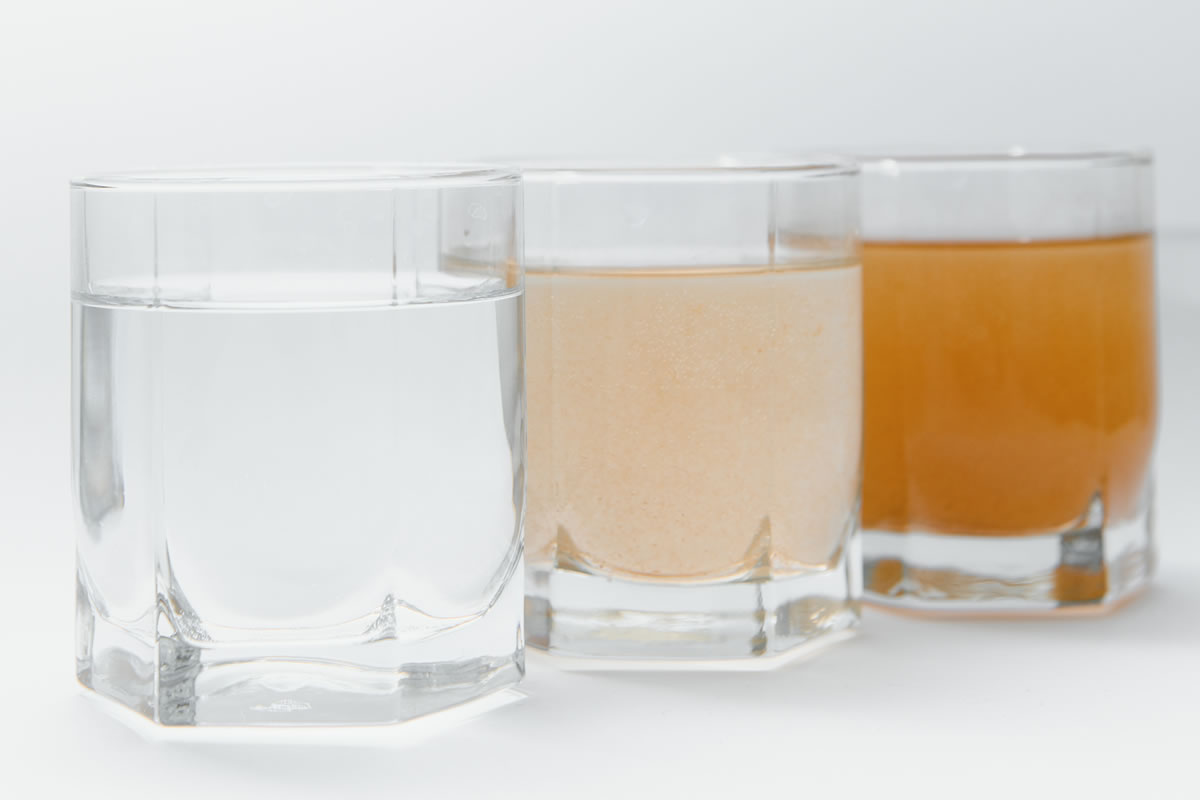
Water safety standards help ensure safe levels of contaminants
Water supplies can contain a range of contaminants. These may vary depending on the area the supply is drawn from. However, all are likely to occur and must be kept below certain levels so as not to pose any significant risk to the health and safety of those using the water supplies provided. The following maximum concentrations or values are based on the requirements of the Drinking Water Directive, and National Requirements currently in place.
Microbiological parameters
Bacterial and viral contaminants are likely to occur in many water supplies. Typical examples include E. coli, Coliforms and Legionella bacteria. While these are often present in water supplies, they should not be permitted to multiply beyond what are deemed to be safe levels. If they do, they can cause illness and disease in the population.
| Parameters | Concentration or Value (maximum) | Units of Measurement | Point of Compliance |
|---|---|---|---|
| Enterococci | 0 | number/100ml | Consumers’ taps |
| Escherichia coli (E. coli) | 0 | number/100ml | Consumers’ taps |
| Coliform bacteria | 0 | number/100ml | Service reservoirs* and water treatment works |
| Escherichia coli (E. coli) | 0 | number/100ml | Service reservoirs and water treatment works |
Note: *Compliance required as to 95% of samples from each service reservoir
Chemical parameters
Another potential area of risk concerns chemical contaminants. Industrial processes often involve chemicals of many kinds. Appropriate steps should be taken to ensure such chemicals do not reach the water supply. Water companies must treat supplies to remove any chemicals present. These can be as diverse as heavy metals left over from industrial processes, and various chemicals used in a wide range of industries.
| Parameters | Concentration or Value (maximum) | Units of Measurement | Point of Compliance |
|---|---|---|---|
| Acrylamide | 0.10 | µg/l | (i) |
| Antimony | 5.0 | µgSb/l | Consumers’ taps |
| Arsenic | 10 | µgAs/l | Consumers’ taps |
| Benzene | 1.0 | µg/l | Consumers’ taps |
| Benzo(a)pyrene | 0.010 | µg/l | Consumers’ taps |
| Boron | 1.0 | mgB/l | Consumers’ taps |
| Bromate | 10 | µgBrO3/l | Consumers’ taps |
| Cadmium | 5.0 | µgCd/l | Consumers’ taps |
| Chromium | 50 | µgCr/l | Consumers’ taps |
| Copper(ii) | 2.0 | mgCu/l | Consumers’ taps |
| Cyanide | 50 | µgCN/l | Consumers’ taps |
| 1, 2 dichloroethane | 3.0 | µg/l | Consumers’ taps |
| Epichlorohydrin | 0.10 | µg/l | (i) |
| Fluoride | 1.5 | mgF/l | Consumers’ taps |
| Lead (ii) | 10 | µgPb/l | Consumers’ taps |
| Mercury | 1.0 | µgHg/l | Consumers’ taps |
| Nickel (ii) | 20 | µgNi/l | Consumers’ taps |
| Nitrate (iii) | 50 | mgNO3/l | Consumers’ taps |
| Nitrite (iii) | 0.50 | mgNO2/l | Consumers’ taps |
| Nitrite (iii) | 0.10 | Treatment works |
Pesticides
Farming often uses a range of pesticides, and these too can enter the water supply, with removal required before the water reaches the point of supply.
| Parameters | Concentration or Value (maximum) | Units of Measurement | Point of Compliance |
|---|---|---|---|
| Aldrin | 0.030 | µg/l | Consumers’ taps |
| Dieldrin | 0.030 | µg/l | Consumers’ taps |
| Heptachlor | 0.030 | µg/l | Consumers’ taps |
| Heptachlor epoxide | 0.030 | µg/l | Consumers’ taps |
| Other pesticides | 0.10 | µg/l | Consumers’ taps |
| Pesticides: Total (vi) | 0.50 | µg/l | Consumers’ taps |
| Polycyclic aromatic hydrocarbons (vii) | 0.10 | µg/l | Consumers’ taps |
| Selenium | 10 | µgSe/l | Consumers’ taps |
| Tetrachloroethene and Trichloroethene (viii) | 10 | µg/l | Consumers’ taps |
| Trihalomethanes: Total (ix) | 100 | µg/l | Consumers’ taps |
| Vinyl chloride | 0.50 | µg/l | (i) |
National drinking water requirements
In addition to the above chemical and pesticide maximum values which are based on the requirements of the Drinking Water Directive, the following National Requirements are also in place.
| Parameters | Concentration or Value (maximum unless otherwise stated) | Units of Measurement | Point of Compliance |
|---|---|---|---|
| Aluminium | 200 | µgAl/l | Consumers’ taps |
| Colour | 20 | mg/l Pt/Co | Consumers’ taps |
| Iron | 200 | µgFe/l | Consumers’ taps |
| Manganese | 50 | µgMn/l | Consumers’ taps |
| Odour | Acceptable to consumers and no abnormal change | Consumers’ taps | |
| Sodium | 200 | mgNa/l | Consumers’ taps |
| Taste | Acceptable to consumers and no abnormal change | Consumers’ taps | |
| Tetrachloromethane | 3 | µg/l | Consumers’ taps |
| Turbidity | 4 | NTU | Consumers’ taps |
Radiological
Other radiological contaminants may also enter the system. Indeed, it is commonplace for natural sources of uranium and radon to be in the water supply. However, they can also enter via industrial processes.
Water testing and treatment
All these things have one aspect in common. All water supplies should be tested and treated to ensure all contaminants remain within safe limits. For example, it is not unusual to find Legionella bacteria in the water, but it should be below a certain threshold for it to pose no risk to those using the water. The same applies to all other contaminants.
How are water supplies treated to ensure safety?
There is a wide range of chemical treatments available to use to ensure two things:
- That water supplies are safe to use
- That all relevant legislation and standards are met or exceeded
It’s not merely a case of treating the water in the system either. Consideration should also be given to the condition of the distribution pipework, storage facilities, and other aspects of the system. For example, some pipework can be prone to corrosion, and in this case, corrosion inhibitors should be added to the supply to ensure corrosion is kept to a minimum.
In some cases, water treatment companies must ensure the water is suitably cleaned and treated for many things before it becomes safe for use. There may be solids and dissolved solids in the water along with bacteria that cannot be seen. To this end, various chemicals and treatment processes should be used to ensure the water exceeds all safety standards before reaching the consumer.
What do you need to know about water safety standards?
If you are responsible for the condition, maintenance, or safety of any hot or cold water systems, you must be aware of all relevant water quality safety standards. Appropriate training courses to help you fulfil your role should include information and guidance on all current water safety standards in the UK.
It’s common for tweaks and alterations to be made to the laws, legislation, and guidelines surrounding water safety. Refresher courses will keep you updated on any changes to these, so you can continue performing your role to the highest level.
How do you ensure compliance with all relevant water safety standards?
As we’ve already seen, regular training and refresher courses play a crucial role here. You’re no doubt aware of risk assessments as well, which should consider all potential risk factors present in a water system. Obviously, the rules and requirements will be very different when comparing a water supplier to a business that uses a water supply. Knowing how the rules apply to you and your situation is the first step.
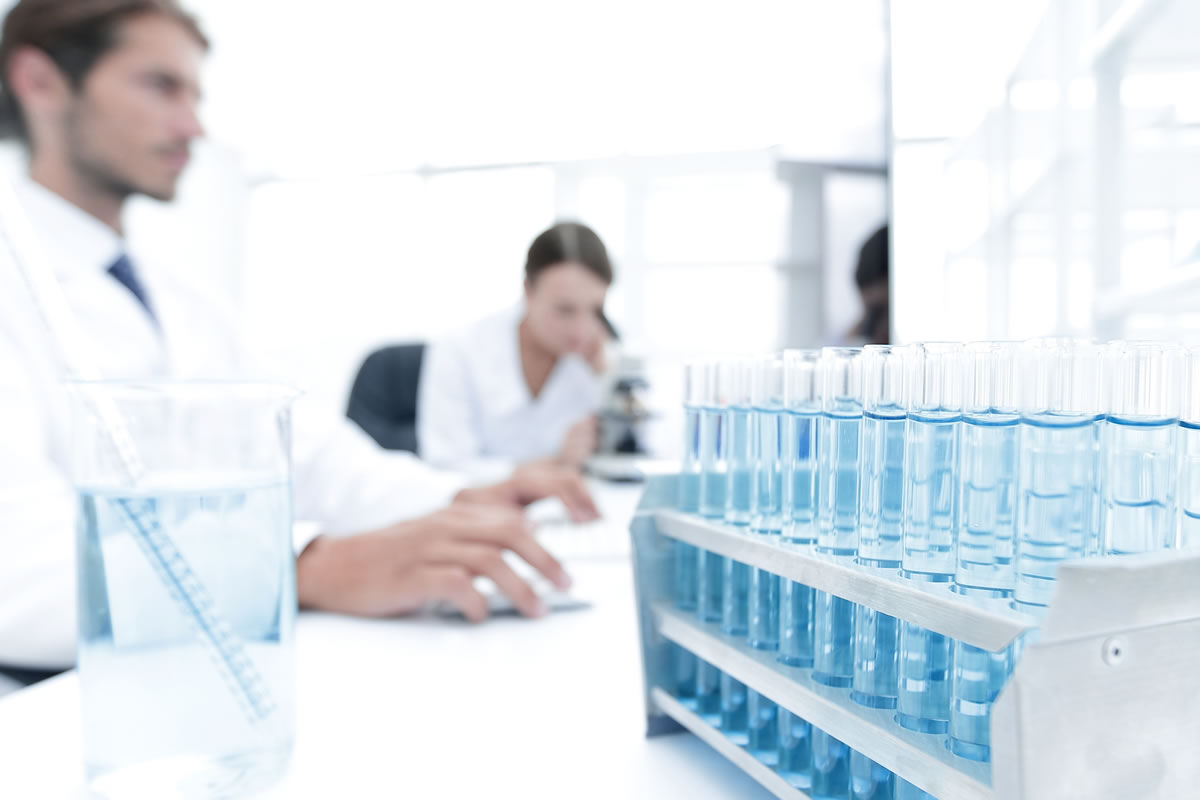
In all cases, though, frequent monitoring of the water systems in place is essential if they are to remain safe to use. This should also involve water testing, where samples are taken from the supply and sent for laboratory analysis to ensure they are within safe limits for specified contaminants.
Water system contamination
No water system is safe from contamination, whether we are talking about Legionella bacteria or heavy metals. Some systems will be more prone to contamination from chemicals and industrial contaminants, whereas others will be more at risk from various bacteria and viruses.
Gaining an understanding of an individual water system will help you understand how best to treat it. There is a wide range of disinfectants and chemical treatments that can be implemented depending on the nature of the water system involved. Regular quality testing will ensure the water remains within safe limits, and that the treatment is working as it should.

Ensuring safe water quality standards are maintained
If you are responsible for a water system of any kind, it may seem overwhelming and daunting to read through all the legislation currently in force in the UK regarding water safety standards. Many businesses elect to hire an external company or expert to help ensure they achieve the required standards, so their business provides a safe water system for those who use it. This approach is often the best one to make sure you don’t fall foul of any current water safety laws.
Expert water management solutions
Water Treatment Services offer a comprehensive range of innovative water and wastewater management solutions for business. Our specialists provide expert advice and support to help you identify cost efficient and environmentally sensitive water management solutions for your business.
With offices in London serving the South and South East England, Manchester (North West), Birmingham (Midlands), Bristol (South East England and Wales), Leeds (North and North East) and Glasgow (Scotland), supported by regional teams of specially trained environmental engineers and water management specialists we offer cost effective environmental support solutions across the whole of the UK and internationally.
Contact us today to learn how our innovative management solutions can help you optimise your approach to water, its use and reuse.