
Can Biological Wastewater Treatment Reduce Trade Effluent Costs?
In this article the industrial wastewater specialists at WTS highlight the benefits that can be achieved from the introduction of a biological approach to the treatment of wastewater, looking in particular at its impact on reducing trade effluent charges and improving environmental compliance.
What is biological wastewater treatment?
Biological wastewater treatment has been developed as an eco-friendlier replacement for traditional chemical treatments. It uses carefully selected microorganisms to process contaminated water so that it passes predetermined water quality standards. This approach aims to mitigate the negative impacts of chemical treatments, such as chemical build-up in aquatic environments or algal blooms.
Managing industrial wastewater
Many industries and businesses create industrial wastewater. This refers to the water sent into the sewers by businesses once they’ve used it. Depending on the nature of the business, that wastewater could contain all kinds of contaminants. For example, the wastewater generated by a vehicle wash is going to be far less problematic than the wastewater generated as part of a heavy industrial process. The latter could potentially contain a range of solids, heavy metals, and all manner of other things too.
Can you discharge trade effluent without consent?
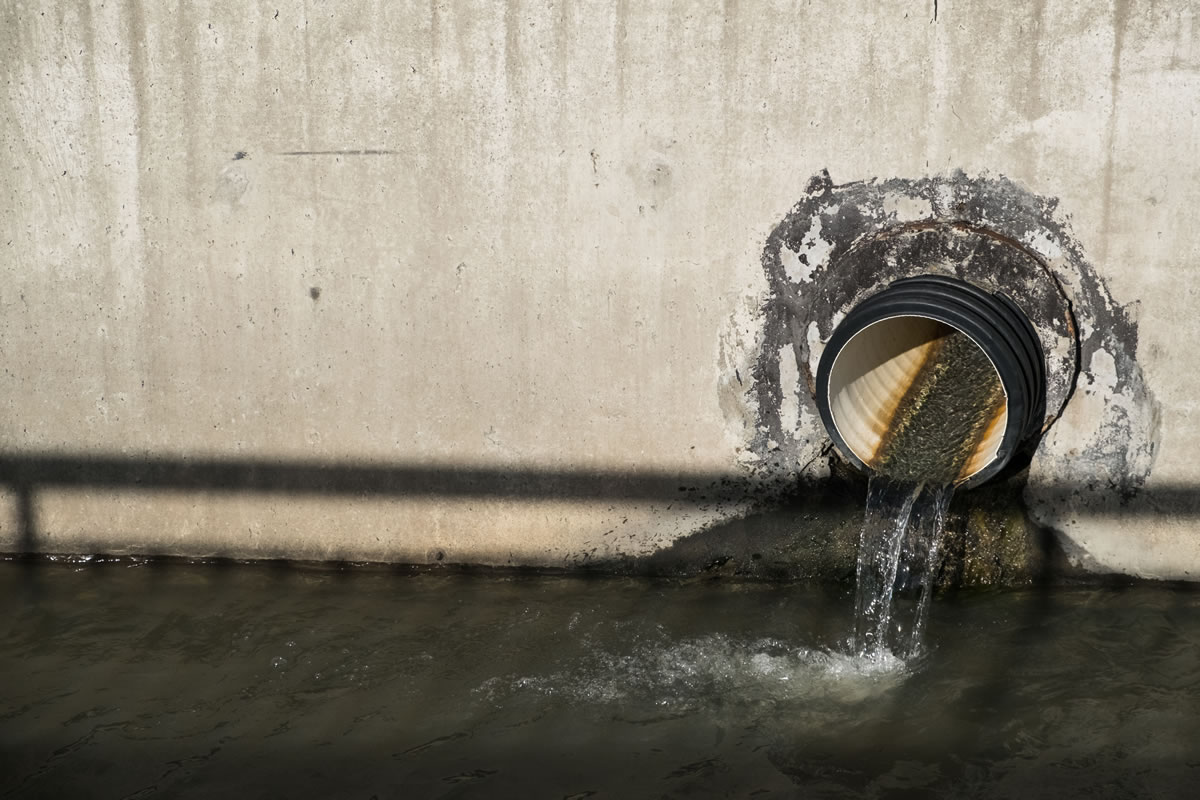
Some businesses require a consent to discharge their wastewater into the public sewers. All businesses must have consent to discharge their trade effluent, otherwise they are breaking the law. However, receiving a consent to discharge does not simply mean the business can discharge whatever it likes. Indeed, there will be certain quality conditions to adhere to, along with limits to the amount of wastewater discharged into the system each day.
Furthermore, the water company responsible for issuing a consent to discharge will set limits for various parameters that are likely to be found in the businesses wastewater. These are likely to include the pH range, a temperature limit, and which suspended solids are present in the water. The maximum chemical oxygen demand or COD is also required to indicate the overall water quality. If any of these limits are superseded, there will likely be trade effluent charges involved.
What is a trade effluent charge?
A trade effluent charge is a levy that is applied to any business that has received a consent to discharge. If the limitations on the wastewater discharged into the sewers are exceeded, the charge will kick in.
Charges are higher for industrial businesses that generate wastewater with higher amounts of contaminants in the water. The more complex and involved the wastewater treatment needs to be, the higher the charge is likely to be.
How is trade effluent treated?
The treatment methods selected for trade effluent will vary depending on the business producing it. For example, a food business will produce wastewater that is very different in composition to that produced by larger industries dealing with heavy metals. This means every situation must be treated separately.
Many food-based businesses would use an oil-water separator to remove the oil from its wastewater before it is discharged. Clarifiers can take solids out of the wastewater before it reaches the sewers. There is all manner of other treatment methods available depending on what is in the wastewater, the levels of contamination and the limits set in the discharge consent.
Can biological wastewater treatments improve environmental performance?
Typically, many industrial wastewater streams must go through primary, secondary, and tertiary treatment stages to remove a host of pollutants prior to discharge. Increasingly stringent environmental controls now mean many water companies are imposing stricter conditions on those who apply for a consent to discharge. The environment is big news, and that means business customers must make sure the quality of their wastewater is as good as it can be.
To this end, biological treatments are now more important than ever to understand and adopt. Biological based wastewater products could make the difference between hefty charges for trade effluent or a more positive effect on the environment – and better headlines for businesses, too.

Is your wastewater compatible with biological treatments?
Not all industrial wastewater is suitable to receive biological treatment, but if you run a business where this is a possibility, introducing a biological treatment plant on site could be a very sensible solution. While it does involve a level of investment, you need to compare this investment to the alternatives.
It’s crucial to remember that receiving consent to discharge does not give you the opportunity to discharge any amount of wastewater that your business generates. Furthermore, it does not mean you can discharge anything you like. Chances are you already treat your wastewater to remove solids and other elements from the used water.
The wastewater will be tested to confirm whether it adheres to the conditions laid down for its discharge. If it does not meet the set standards, you could end up facing significant fines. And it’s not merely a case of paying them either. Some companies have also faced prosecution for not taking care of their wastewater and its contents.
Regardless of the methods you currently have in place to remove solids and other contaminants from your wastewater, adding a biological treatment method will further improve the quality of the wastewater you produce. This in turn makes it far less likely that you would fall foul of any limitations placed on your business in terms of the consent to discharge.
Adopting a biological treatment approach will involve adding specially selected microorganisms to the wastewater. This leads to a natural degradation of organic pollutants in the water. Therefore, when the water is discharged, it will be far safer than it would otherwise be, potentially taking you below the required parameters for safe discharge. And of course, in turn, this would lead to a much reduced chance of incurring any charges.
What are the advantages of biological wastewater treatment?
If you’re thinking about the upfront costs involved in installing a biological treatment plant on site, it is vital to balance these with the advantages of taking this step.
We’ve already covered the fact that successful biological treatment could limit the risk of receiving fines for discharging wastewater that does not meet the requirements set by your water company. Added to that, there is the fact that biological wastewater treatments are typically fully consumed to leave no waste products behind. If you were using chemical based treatments, there is a risk that some of the chemicals could be left behind if the dosage was incorrect.
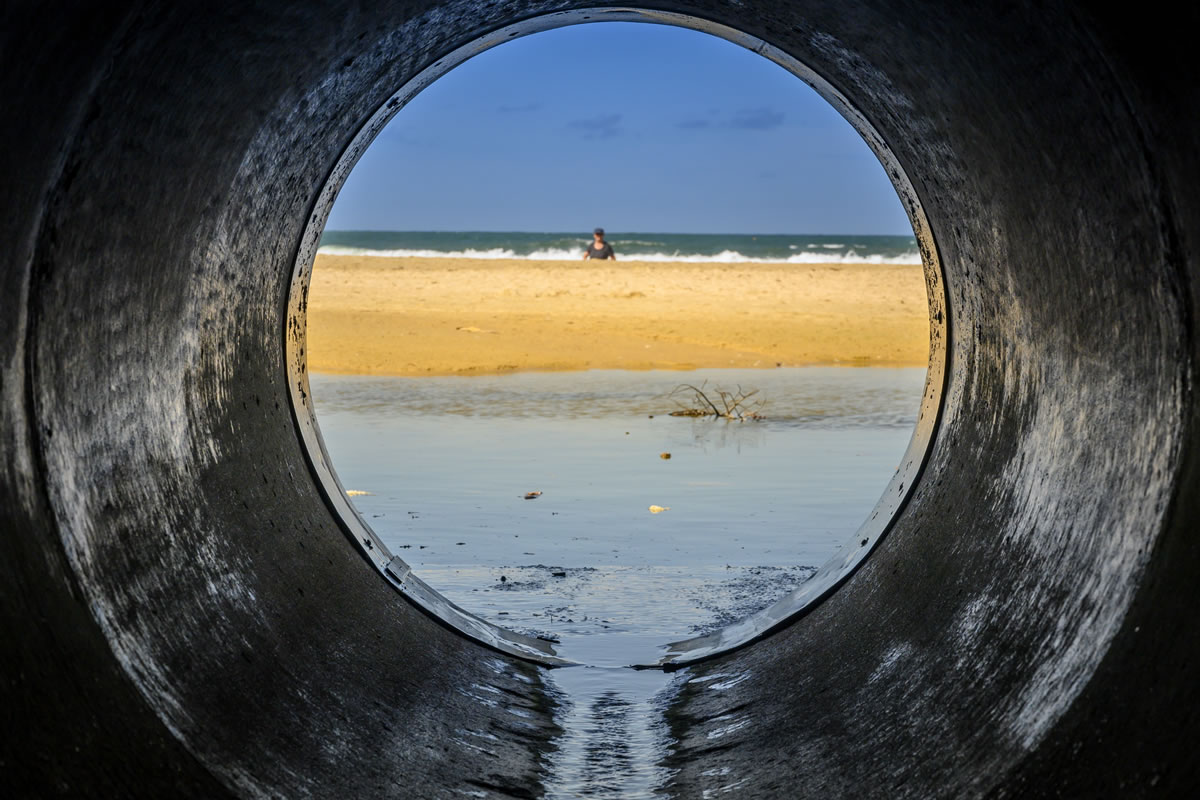
Going green with a biological approach to the treatment of your wastewater
If you’re thinking that this all sounds rather green, you’d be correct. And that is another big advantage for your business. Today, many consumers prefer to use businesses that have stronger green credentials. If you do adopt a biological treatment process for your trade effluent, you’ll be making sure that your effluent is safe to discharge and does not lead to any unnecessary fines. It shows your business cares about the world around you – and that’s a strong message for any business to send.
While the upfront cost of adding a biological treatment plant is certainly there, it brings a form of insurance to your business. By using both aerobic and anaerobic treatment methods, along with various filters, you can significantly reduce the chances of breaching your consent to discharge in the future. Testing the wastewater is the first step here, to be sure it is ideal for this method. Not all businesses can use biological treatments, hence why testing is required to confirm its suitability prior to investing in any equipment.
Industrial wastewater and trade effluent solutions
Water Treatment Services offer a comprehensive range of innovative wastewater and trade effluent solutions for business. Our specialists provide expert advice and support to help you identify the most appropriate strategies for the identification and implementation of cost efficient and environmentally sensitive wastewater treatment solutions for all industrial wastewaters and trade effluents.
With offices in London serving the South and South East England, Manchester (North West), Birmingham (Midlands), Bristol (South East England and Wales), Leeds (North and North East) and Glasgow (Scotland), supported by regional teams of specially trained environmental engineers and wastewater treatment specialists we offer cost effective environmental support solutions across the whole of the UK and internationally.
Contact us today to learn how our wastewater management solutions can help you optimise your treatment costs and improve environmental performance.