Testing Private Water Supplies
In this guide the experts at Water Treatment Services examine the rules and regulations in place dealing with the testing of private water supplies. It also highlights who’s responsible for ensuring the water coming from these supplies is safe to drink.
The guide explains what a private supply is, the role of the UK’s Drinking Water Inspectorate and how they categorise different supplies; it examines who’s responsible for ensuring water safety, common contaminants and the benefits of water quality testing.
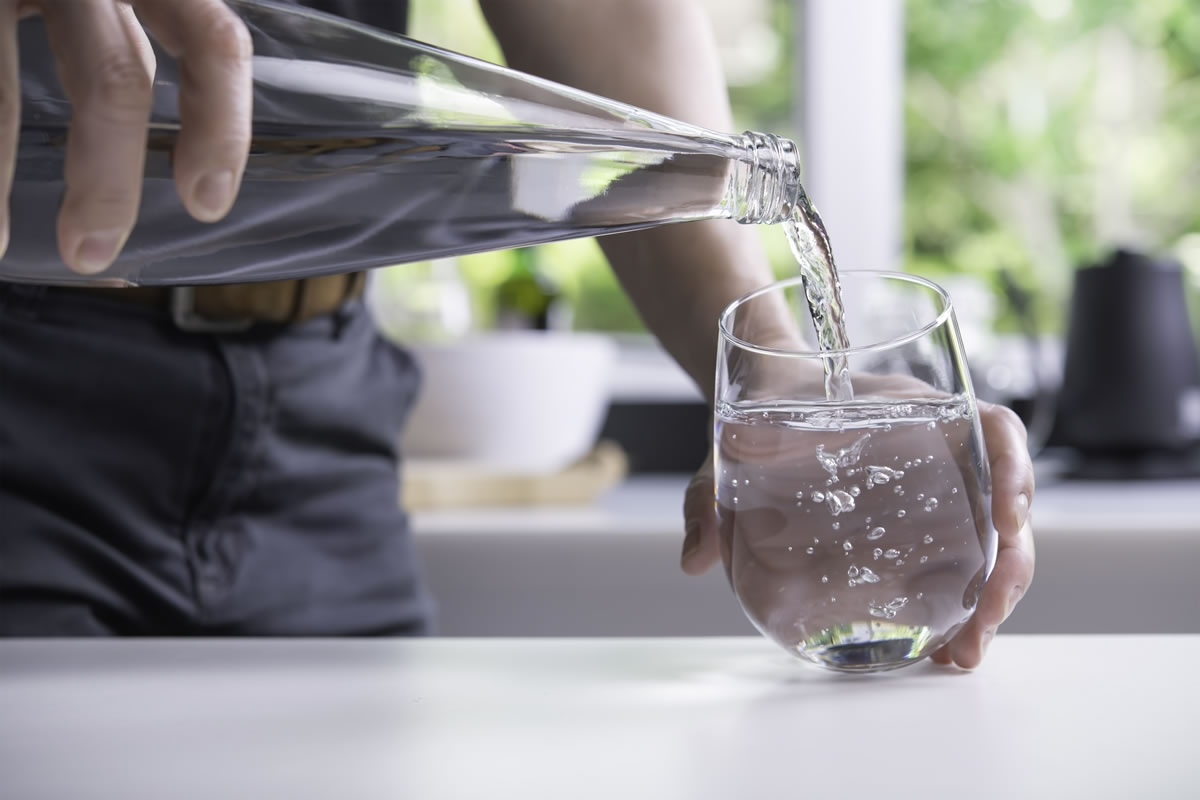
What is a private water supply?
A private water supply describes any water supply that is not provided by one of the big water companies. In England and Wales such water sources serve around 1% of the population. Most are located in remote, rural areas and the water may be extracted from wells, boreholes, natural springs, and private watercourses.Without specialist testing it’s not possible to tell whether the water you drink is safe or contaminated
Testing private water supplies
Providing a safe water supply for people to use is a crucial part of minimising any contamination risk associated with that supply. Public water supplies are rigorously tested to ensure the quality of the water we receive in our homes and businesses is safe use. However, it is just as important to know you can trust the quality of the water that comes from a private water supply. Regular water testing forms an essential part of this process.
What is the role of the Drinking Water Inspectorate (DWI)?
The Drinking Water Inspectorate (DWI) was created in 1990 to safeguard the quality and safety of water supplies throughout England and Wales. While all drinking water is covered by European Council Directive 98/83EC, England, Wales, and Scotland each have their own regulations connected to this EU Directive. In every case, however, regular testing is required to ensure the water supply in use does not pose a health risk to those who are exposed to it. Proper water testing has many benefits and must be done to comply with the law.Who’s responsible for ensuring private supplies are safe to drink?
The various local authorities across the country are responsible for ensuring private supplies are safe for human consumption. However, in many cases, only the largest and best-known private water supplies are recognised and tested by local councils each year. If you have access to a private water supply that only you use, or that is small in scale such as a well or borehole, the local authority may not be aware of it. In every case, however, regular testing must be done to ensure the quality and safety of that private supply.In England and Wales around 1% of the population use private water suppliesLocal authorities will typically test water supplies at least once every five years and more often if their risk assessment calls for it. Without such testing, it is often not possible to tell whether the water you drink is safe or whether it could be contaminated and cause significant harm. By the time you find out your supply doesn’t meet the standards required, it could have caused you and others who use the supply to suffer from a waterborne illness.
Why test private water supplies?
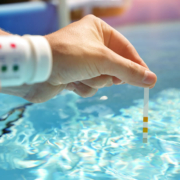
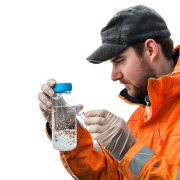
Water from private sources can contain bugs, bacteria, and other potentially nasty substances. The catch-all term “substances”, can include faeces – either from nearby animals, perhaps farm animals for example, or even from humans. Either way, they increase the chances that dangerous bacteria will be present that may harm those drinking the contaminated water. Proper testing of the water can discover whether faeces has caused contamination. Faeces contain E. coli bacteria, so if this is found in the water sample, it confirms this type of contamination has occurred. Other bugs can also potentially show up when testing private water supplies if they find a way to get into them. A standard suite of water tests would typically include for the following parameters although others can be included: Even if the water looks clear and you cannot see anything obvious floating in it, there could potentially be lots of harmful bacteria in it. This could cause illness that presents with various symptoms, from mild to severe – symptoms that are often indicative of an upset stomach or stomach bug. Laboratory testing provides a practical and reliable way to find out what is in a private supply. Regular water testing should therefore be performed by experienced professionals who know what to look for. Hydrogen ions (pH) and the turbidity of the water should also be checked. Testing for turbidity can detect whether the water exhibits any cloudiness that could indicate the presence of foreign matter in the supply.