
How to Prevent Pseudomonas in Water Systems
Pseudomonas aeruginosa is a waterborne bacterium that poses a significant challenge for those responsible for maintaining safe and compliant water systems. While it rarely causes illness in healthy individuals, it can lead to serious and sometimes life threatening infections in vulnerable people, particularly in healthcare environments. Its ability to thrive in damp conditions, resist many antibiotics, and colonise engineered water systems makes it an important focus for water safety management, alongside more widely recognised risks such as Legionella. Preventing its growth and spread is therefore critical to safeguarding public health and ensuring regulatory compliance.
In this article, the water safety experts at Water Treatment Services examine the risks presented by Pseudomonas aeruginosa and outline practical strategies for controlling it in hot and cold-water systems. The discussion covers what Pseudomonas is, where it is most commonly found, and who is most at risk from infection. It also looks at key aspects of water safety, including risk assessments, water quality testing, and the importance of effective cleaning and disinfection. Guidance on safe detection limits, system design considerations, biofilm control, and water temperature management is also included, providing a comprehensive overview of how to minimise the threat from Pseudomonas in engineered water systems.
Combating Pseudomonas and Legionella in water systems
Most people have heard about Legionnaires’ disease and may even know about the bacterium called Legionella that causes it. There are strict regulations pertaining to the safety, care and maintenance of water systems in buildings, with water hygiene covering many other waterborne pathogens aside from Legionella.
An example of another bacterium of concern is Pseudomonas aeruginosa. Yet as with Legionella, there are methods for preventing its spread within and colonisation of engineered water systems.
What is Pseudomonas aeruginosa?
There are currently more than 58 species of Legionella that have been identified, although Legionella pneumophila is responsible for most cases of Legionnaires’ disease. Similarly, there are many species of Pseudomonas too. the most common among them – the species most likely to cause infections in humans – is called Pseudomonas aeruginosa.
Pseudomonas aeruginosa is a bacterium that’s widely found in the environment, especially in water, soil, and damp areas. It’s an opportunistic pathogen, meaning it typically doesn’t cause illness in healthy people but can lead to infections in those with weakened immune systems, causing serious infections like pneumonia, urinary tract infections, wound infections, and sepsis.

It is vital to take appropriate steps to make sure the threat from Pseudomonas in water systems is kept to a minimum. Not only does it cause infections in humans, but it also does so in hospital and other clinical settings. There are many settings within a hospital or similar venue that create the perfect conditions for the bacteria to multiply, including sinks and their drain outlets, respiratory equipment, catheters and similar outlets and items.
Who is most at risk from Pseudomonas aeruginosa infections?
The Pseudomonas bacterium can cause infections of the urinary tract, the respiratory system, open wounds, and many other parts of the body. It can also cause sepsis. Healthy people should not be at particular risk of an infection caused by it, but those who do not have robust health may experience serious infections.
For example, those with chronic health conditions may be at greater risk of developing serious problems if they are exposed to Pseudomonas aeruginosa. So too are the elderly, whose immune systems are often less able to protect them against infection.
The most notable thing about Pseudomonas aeruginosa is that it is highly resistant to many antibiotics. This means that someone who develops an infection may not have too many options for treatment. If that individual is already compromised in terms of their health, it is easy to see how an infection could become potentially dangerous.
Pseudomonas typically doesn’t cause illness in healthy people but can lead to serious infections in those with weakened immune systems …
Preventing Pseudomonas is better than dealing with an outbreak
Of course, while hospitals and care homes present a specific Pseudomonas risk, any public building or workplace can be affected if the proper steps are not taken to make sure the water system is always clean and well maintained.
A lack of cleaning of all elements of the hot and cold-water system will encourage the build-up of biofilms – slimy protective layers that make it harder to kill and remove Pseudomonas from surfaces. The water-borne bacteria can feed on the biofilm and multiply throughout the water system as a result. If regular cleaning, disinfection and maintenance is undertaken, this should limit or prevent this occurring.
Understanding how your water systems work
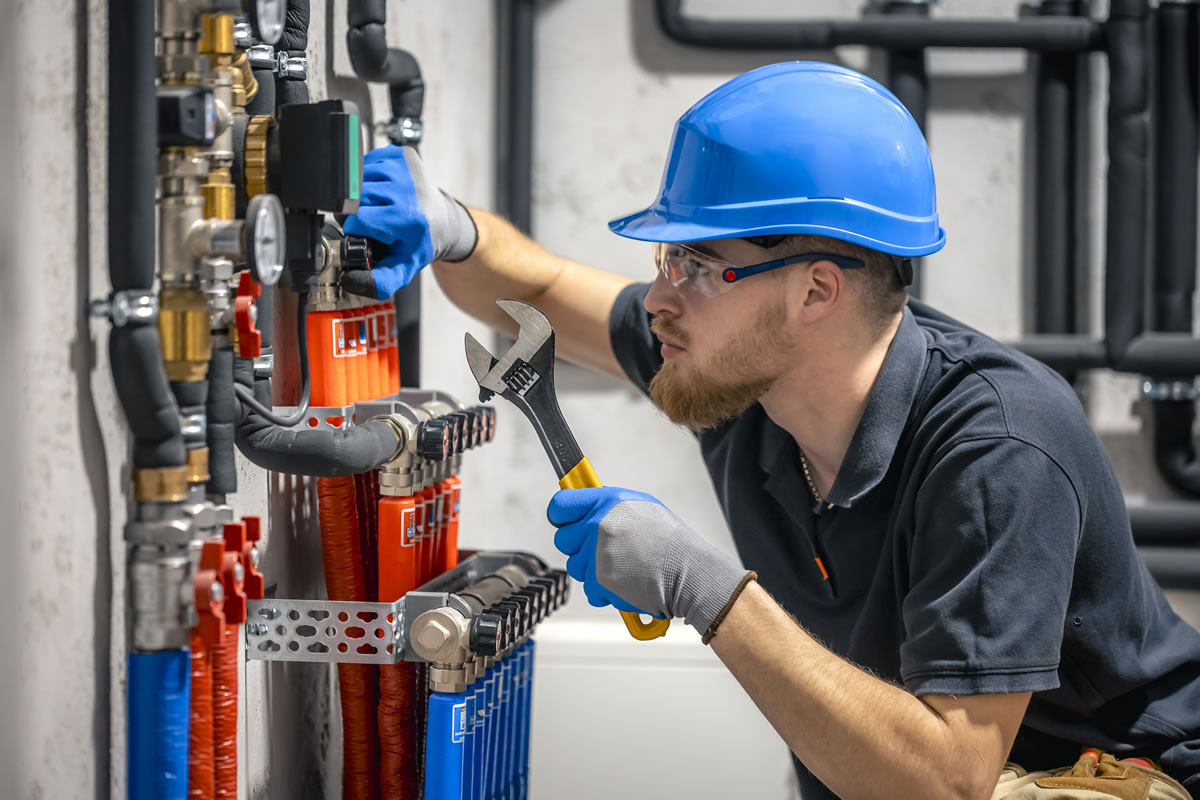
To be able to manage Pseudomonas – and indeed Legionella and other waterborne bacteria found inside a manmade water system – the best way to begin is by understanding the system itself. An up-to-date schematic plan of the full water systems, outlets and equipment is ideal for this, as it will help identify areas that may encourage bacteria to grow.
For example, any plumbing dead legs of pipework should be removed rather than left in place. Leaving such pipework in situ means bacteria can multiply in stagnant water. This water is also more likely to encourage the formation of protective biofilms making it significantly harder to remove the bacteria from the system.
Hence why regular flushing of the system – particularly in areas that are used infrequently – is so important. It can keep the water flowing and make it much more difficult for stagnation to occur and for biofilms to form, thereby depriving bacteria of a food source.
Measures to control Pseudomonas and maintain a healthy water system
The Department of Health document, Health Technical Memoranda HTM 04-01 provides guidance on managing the risks posed by Pseudomonas aeruginosa in the health sector.
Regular cleaning is also imperative. If the water system is newly installed, it should go through a thorough pre-commission cleaning process before it is used for the first time. This should be done in accordance with British Standard BS 8552:2012 and the accompanying BSRIA BG29/2021 guidance to system flushing and pre-commission cleaning.
Another important aspect of preventing colonisation from Pseudomonas bacteria is to conduct a Pseudomonas risk assessment following BS 8580-2:2022, regular cleaning and water quality testing. This should be in place anyway to help identify risk, monitor and prevent all waterborne bacteria from becoming established. However, regular testing can help confirm that the necessary steps are being taken and that any regular water treatment programme (typically using biocides) is doing its job.
Getting water temperature just right to control Pseudomonas
With Legionella bacteria, the water temperature danger zone that will encourage its growth lies between 20 and 45 degrees Celsius. However, with Pseudomonas bacteria, the perfect temperature for growth is around 37 degrees Celsius. Furthermore, it is much better able to withstand colder water temperatures than Legionella.
Therefore, it is necessary to make sure the water temperature takes this into account. Again, regular testing can help confirm that the measures being taken are suitable.
How to test for Pseudomonas
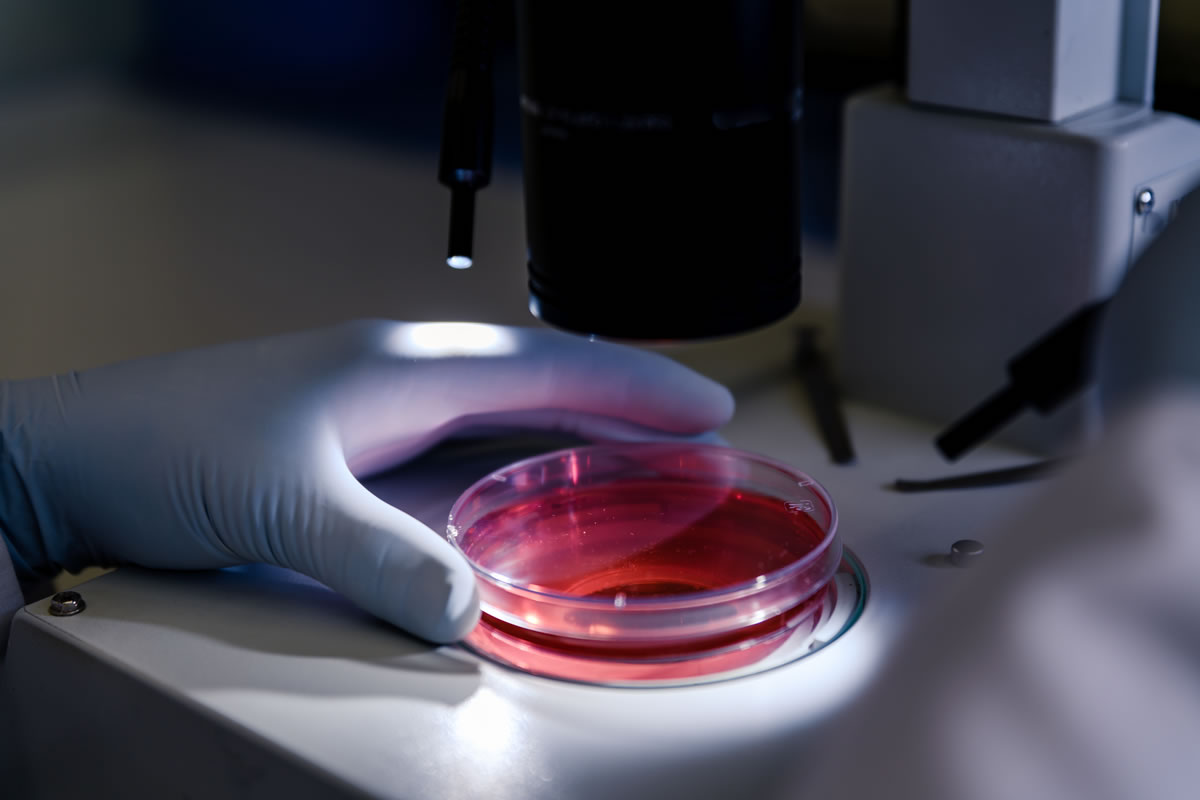
A suitable water sample should be taken before being tested for the presence of Pseudomonas by an independent and accredited laboratory. Testing processes will vary depending on what is being checked, with a specific agar medium suitable for the bacteria being tested for. This means a general Pseudomonas test will provide an agar medium that will allow all Pseudomonas bacteria to grow. In contrast, checking for Pseudomonas aeruginosa will allow for the specific development of that bacterium, should it be present.
Any samples that do suggest the presence of the bacteria will be noted, and the test provider should give recommendations on which steps to take to rid the system of the bacteria.
Is there a safe level of Pseudomonas aeruginosa?
For Pseudomonas aeruginosa, the ideal situation is for a zero count – indeed, this is viewed as the only safe level, with any presence of the bacteria seen as a potential danger for those using the water system.
For those who carry responsibility for maintaining safe water systems and keeping them in good condition, it is essential that they protect those exposed to the water systems are protected against waterborne bacteria. There are strict regulations in place that must be followed to keep water systems in excellent condition. Outbreaks of infections caused by Pseudomonas aeruginosa are considered preventable by safety regulators, they can be serious and are always viewed as such.
Maintenance of any water system is an ongoing process and is often one that benefits from outside expertise. Relying on an expert in water safety and the control of Legionella and Pseudomonas is a smart move and one that could prevent outbreaks in the future.
Maintaining safe water systems
Maintaining safe water systems is an ongoing responsibility, and one that requires both vigilance and specialist knowledge. As this article has highlighted, Pseudomonas aeruginosa can present serious risks, particularly in healthcare and other high-risk environments, but with the right preventative measures these risks can be effectively managed. Regular monitoring, cleaning, risk assessment and water quality testing are all essential steps in keeping systems safe and compliant, helping to prevent outbreaks before they occur.
Water safety specialists
At Water Treatment Services, our water safety specialists work with organisations across the UK to manage these challenges and protect public health. Through tailored risk assessments, water analysis and practical treatment solutions, we help ensure that hot and cold-water systems remain clean, safe and fully compliant with the latest regulations. With regional teams operating nationwide, we provide professional support wherever it’s needed, giving you confidence that your water systems are under expert care.
Contact us today to learn how our water safety compliance solutions can help you maintain safe water systems and comply with health and safety law.