
Guide to Water Reuse and Recycling for a Better Future
With global water shortages becoming an increasingly urgent issue, responsible water management is no longer optional—it’s essential. Businesses, as some of the largest consumers of water, have a significant role to play in reducing demand and mitigating environmental impact. Reusing and recycling water offers a powerful opportunity to cut waste, lower costs, and contribute to a more sustainable future.
This article explores practical strategies for businesses to embrace water reuse and recycling. It outlines the benefits of reducing trade effluent, introduces treatment methods like reverse osmosis, and highlights key reuse applications such as in cooling towers, steam boilers, and toilet flushing. By identifying ways to treat and repurpose wastewater, businesses can not only cut operational costs but also play a vital role in conserving one of our planet’s most valuable resources.
The case for water reuse and recycling
Water features in everyday life, but it’s obvious that businesses use far more than individuals. Water shortages occur annually in many parts of the world. Indeed, UNICEF predicts that as much as 50% of the global population could be dealing with water shortages this year, never mind what might happen in the future.
It’s obvious that we all have a responsibility to manage water as best we can. This is even more important for businesses, since they use so much more than individuals. So, if you run a business, what can you do to ensure you are responsible with your water supply? Are there ways that you can reduce your water usage and make less of an impact on the world around you?
That’s what we are going to look at in this article. We’ll focus on water reuse where possible, and on recycling it to reduce water usage overall.

What are the advantages of a business reusing and recycling water?
Many businesses will generate trade effluent – a liquid form of waste generated by their business processes. This effluent or wastewater may contain fats, grease, detergents, and various solids. Obviously, different businesses will generate trade effluent containing different things, depending on what they do. A launderette will discharge water containing detergents from the washing process. Meanwhile, a food business may well discharge effluent containing oils and fats.
There are charges involved when businesses discharge trade effluent. Exceeding any amounts agreed upon will also incur fines that place additional financial pressure on the business involved. Therefore, being able to reuse and recycle at least some of the water a business uses could lead to less trade effluent being discharged.
This in turn will reduce the chance of the business being hit by fines. It will also mean there is less discharge to pay for. This would also be seen if you rely on tankers to take away quantities of trade effluent. These are expensive too, so relying on fewer tankers over the course of a year could result in significant savings for your business.
UNICEF predicts that as much as 50% of the global population could already be dealing with water shortages
How to recycle and reuse water?
Rather than getting rid of all the wastewater generated by your business, it is ideal if you can recycle some of it to be used a second time – and perhaps even more than that.
One method for treating wastewater is known as reverse osmosis. This involves membranes that catch many of the impurities that will be present in the wastewater. Of course, this water, once treated in this manner, will not be suitable for human use. However, it can be treated a second time to ensure more dissolved solids are removed from the water. This then makes it suitable for use in a range of ways – thereby removing the need to release it with other trade effluent.
There are various types of reverse osmosis systems available, covering various sizes and requirements. This means there is almost certainly something you can use for your business, should you want to recycle as much wastewater as you can.
How to reuse water for other purposes
The term wastewater does lead some to believe it is just that – waste. It’s not suitable for any other purpose and should therefore be discharged. However, as you might now guess, this is not the case. There are many ways that wastewater can be treated and reused, which in turn will ensure that your business places less demand on the water system you are using.
Cooling towers
Specialist water treatments are still required here, as we noted above with the reverse osmosis processes, it is possible to generate higher quality wastewater that would work in several scenarios. For example, cooling towers use water to cool air and certain processes. Treated wastewater would be ideal for this scenario. You can imagine the amount of fresh water you’d save over time by doing this if you use cooling towers on site.
Steam boilers
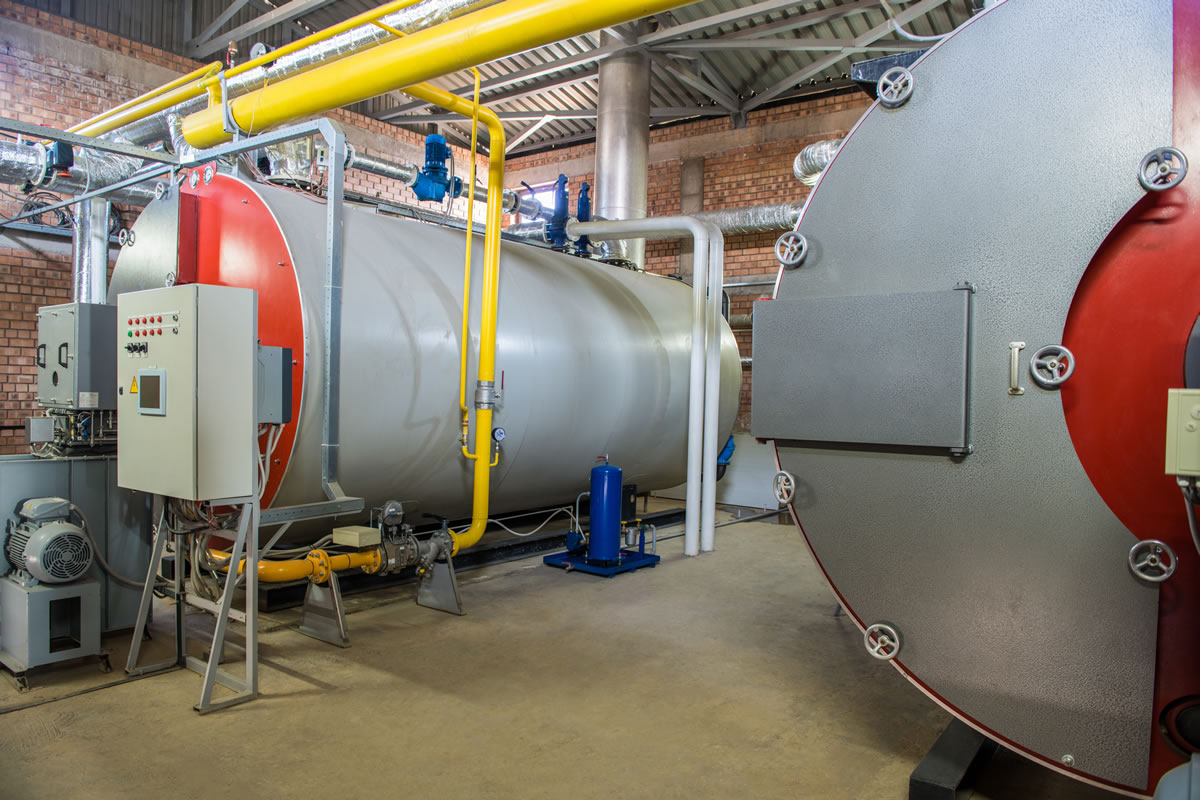
Industrial steam boilers also require water, and properly treated wastewater is ideal for this, too. Indeed, many businesses may find multiple uses for wastewater once it has gone through the reverse osmosis process more than once. Even in the healthcare industry, there are opportunities to reuse water in certain situations.
Flushing toilets
For instance, UK toilets manufactured and installed since 2001 must use no more than six litres of water in one flush. Consider the number of toilets across a healthcare setting – or indeed any other site – and you can see the potential. While wastewater cannot be treated to reach potable water standards, it can reach the required standard to be used as grey water – and that’s ideal for flushing toilets. The water savings here alone could be significant.
How to identify the best ways to reuse and recycle water
I’m sure you can see the potential for water reuse and recycling in this area, even as we just touch the surface of what is possible in this article. The trick is turning that potential into reality for your business – and for this, you may need some expert help and advice.
Considering your current water usage and trade effluent consents and discharge processes is a good place to begin. This will provide you with some insight into where you may be able to make changes. In many cases, potential changes could incur investment, but this should be balanced with the savings that could be made as well. Oftentimes, an expert will be able to see potential that business owners cannot, since they have the expertise in the required area.
Adding a second round of reverse osmosis, using grey water for acceptable purposes, and recycling water for use in cooling towers and boilers represents just the start of the possibilities. Not all methods will be suitable for all businesses, but there will certainly be things you can do and steps you can take to see where you can make improvements in future.
Using less water doesn’t just have an immediate effect on your business either. As we have seen, it could have a positive effect on the environment around you – and you can create some positive headlines with that, too.
Expert water management solutions
Water Treatment Services offer a comprehensive range of innovative water and wastewater management solutions for business. Our specialists provide expert advice and support to help you identify cost efficient and environmentally sensitive water management solutions for reuse and recycling.
With offices in London serving the South and South East England, Manchester (North West), Birmingham (Midlands), Bristol (South East England and Wales), Leeds (North and North East) and Glasgow (Scotland), supported by regional teams of specially trained environmental engineers and water management specialists we offer cost effective environmental support solutions across the whole of the UK and internationally.
Contact us today to learn how our innovative management solutions can help you optimise your approach to water, its use and reuse.