
Industrial Water Treatment Chemicals UK & International
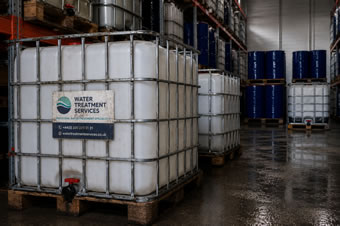
Water Treatment Services offer a full range of advanced technology, high-performance water treatment chemicals.
Anyone who has spent time looking after steam boilers, cooling systems or process plant will know that water quality can make the difference between reliable operation and expensive problems. Scale, corrosion and microbiological fouling rarely happen overnight, but if they are left unchecked, they can gradually reduce efficiency, increase energy consumption and shorten the life of valuable equipment.
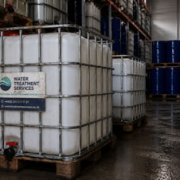
Water Treatment Services are proud to supply a comprehensive range of high-quality industrial water treatment chemicals for commercial and industrial applications throughout the UK, Ireland and overseas. Our high-performance chemicals are used to protect steam boilers, cooling towers, closed heating and chilled water systems, reverse osmosis plant and a wide variety of process water applications.
Whether you are looking for a complete water treatment programme, replacement chemical products for an existing system or independent technical advice, our experienced consultants can help you select the most effective and economical solution.
High-Quality Water Treatment Chemicals at Competitive Prices
Over the years, we’ve found that many water treatment problems stem from using the wrong chemistry, incorrect dosage rates or simply applying a standard approach to systems that have very different operating conditions.
There is no such thing as a universal treatment programme. Every system has its own challenges, influenced by factors such as water quality, operating temperature, metallurgy and plant design. Selecting the right chemical treatment programme from the outset can help avoid unnecessary maintenance, reduce operating costs and improve long-term reliability.
Our range of industrial water treatment chemicals is carefully formulated to deliver dependable performance and excellent value for money. Combined with regular monitoring and technical support, they help customers:
Just as importantly, effective chemical treatment helps prevent the unplanned downtime and costly failures that can have a major impact on production and building operations.
All of our products are backed by practical technical advice, water analysis and ongoing support to ensure they continue to perform as intended.
Water Treatment Chemicals for Every Application
We supply and support a wide range of speciality chemicals for industrial and commercial water systems, including:
From individual products through to fully managed treatment programmes, our aim is always the same … to provide practical, cost-effective solutions that keep water systems operating safely, efficiently and reliably.
Why Does Water Chemistry Matter?
One of the biggest misconceptions we encounter is that water is simply water. In reality, even apparently clean water contains dissolved minerals, gases and naturally occurring microorganisms that can create serious problems within industrial and process water systems.
We’ve seen boilers lose efficiency because of only a few millimetres of scale. We’ve investigated closed systems where years of untreated corrosion had resulted in blocked strainers, circulation problems and premature equipment failure. We’ve also encountered cooling systems where microbiological fouling and biofilm had significantly reduced performance and increased operational risk.
Most of these problems are avoidable.
A properly designed chemical treatment programme helps maintain clean heat transfer surfaces, protects metal components and keeps systems operating as efficiently as possible. In many cases, the savings achieved through improved efficiency and reduced maintenance far outweigh the cost of the treatment programme itself.
Good water treatment should never be viewed as an expense. In our experience, it is one of the most cost-effective investments that can be made in protecting boilers, cooling systems and process plant.
Whether your priority is improving steam boiler efficiency, maintaining cooling system hygiene, protecting a closed heating system or extending the life of reverse osmosis membranes, selecting the right water treatment chemicals is fundamental to achieving reliable long-term performance.
Water Treatment Chemicals for Every Application
No two water systems are exactly alike. A steam boiler operating at high pressure has very different treatment requirements from a cooling tower exposed to the atmosphere or a closed heating system designed to run for years with minimal water loss.
That’s why effective water treatment starts with understanding how the system operates, the quality of the water entering it and the problems that need to be controlled. Over the years, we’ve found that the most successful treatment programmes are those designed around the application rather than trying to force a standard chemical package onto every site.
One of the biggest misconceptions we encounter is that water is simply water. In reality, even apparently clean water contains dissolved minerals, gases and naturally occurring microorganisms that can create serious problems within industrial and process water systems.
Boiler Water Treatment Chemicals
Steam boilers represent a significant investment, and maintaining the correct water chemistry is essential if they are to operate safely and efficiently.
In our experience, scale and oxygen corrosion remain two of the most common causes of reduced boiler performance. Even relatively thin deposits on heat transfer surfaces can increase fuel consumption, while dissolved oxygen can attack steel surfaces and lead to pitting and premature failure.
Our boiler water treatment chemicals are designed to control these problems and maintain stable operating conditions.
Typical products include:
Oxygen Scavengers
Dissolved oxygen is highly corrosive to boiler systems. Oxygen scavengers react with oxygen before it can attack metal surfaces, helping to protect the boiler shell, feed lines and condensate system.
Phosphate Treatments
Phosphate treatments are widely used to control hardness salts and prevent scale deposits forming on boiler heat transfer surfaces. Correctly applied, they help maintain efficiency and support effective blowdown control.
Alkalinity Builders
Maintaining the correct pH and alkalinity is essential for protecting boiler metalwork and ensuring other treatment chemicals perform effectively.
Condensate Line Inhibitors
Condensate return systems are often overlooked, yet carbon dioxide dissolved in condensate can create acidic conditions and cause serious corrosion. Volatile condensate treatment chemicals help protect pipework and extend the life of the return system.
Polymer Dispersants
Polymer dispersants help keep suspended solids mobile within the boiler water, preventing sludge deposits and improving blowdown efficiency.
A properly treated steam boiler will generally consume less fuel, suffer fewer breakdowns and provide many years of reliable service.
Cooling Water Treatment Chemicals
Cooling systems present a unique challenge because they are constantly exposed to the atmosphere. As water evaporates, dissolved solids become concentrated and microbiological contamination can quickly establish itself if treatment is neglected.
Over the years, we’ve investigated countless cooling systems suffering from scale, corrosion and heavy biofilm formation. In many cases, these issues could have been avoided with a properly managed treatment programme.
Our cooling water treatment chemicals are designed to maintain system cleanliness, maximise heat transfer and support effective water hygiene management.
Typical treatments include:
Corrosion Inhibitors
Cooling systems often contain a variety of metals, each with its own corrosion characteristics. Corrosion inhibitors help protect these surfaces and reduce long-term deterioration.
Scale Inhibitors
Concentrated dissolved minerals can quickly form deposits on heat exchange surfaces. Scale inhibitors help prevent these deposits, maintaining thermal efficiency and reducing energy consumption.
Oxidising Biocides
Products such as chlorine, bromine and chlorine dioxide provide rapid control of bacteria, algae and other microorganisms.
Non-Oxidising Biocides
These specialist treatments provide additional protection and are particularly effective against organisms that may develop resistance to oxidising treatments.
Dispersants
Dispersants help prevent suspended solids, organic material and dead biomass from accumulating within the system, improving cleanliness and reducing fouling.
A well-maintained cooling system not only operates more efficiently, but also supports effective control of Legionella risks and reduces the likelihood of unplanned downtime.
Closed System Treatment Chemicals
Closed heating and chilled water systems are often regarded as low-maintenance systems, but they can deteriorate surprisingly quickly if water quality is neglected.
We’ve encountered systems where corrosion products have blocked strainers, damaged pumps and caused widespread fouling simply because inhibitor levels were not maintained or excessive make-up water had been introduced.
A stable closed system should require very little intervention. The key is maintaining clean water and adequate corrosion protection.
Our closed system treatment chemicals include:
Nitrite Inhibitors
Nitrite remains one of the most widely used corrosion inhibitors for steel-based closed systems. It forms a protective oxide layer that helps minimise corrosion.
Molybdate-Based Inhibitors
Molybdate treatments are particularly effective in mixed-metal systems and provide long-term corrosion protection.
Closed System Biocides
Although closed systems are generally less susceptible to biological contamination, bacterial growth and biofilm can still develop, particularly in chilled water systems.
Glycol Inhibitors
Where glycol is used for frost protection, inhibitor packages are essential to prevent degradation and corrosion.
pH Correction Chemicals
Maintaining the correct pH is fundamental to ensuring the entire treatment programme performs effectively.
When properly treated, closed systems can remain clean and stable for many years, helping to maximise the life of pumps, valves, heat exchangers and pipework.
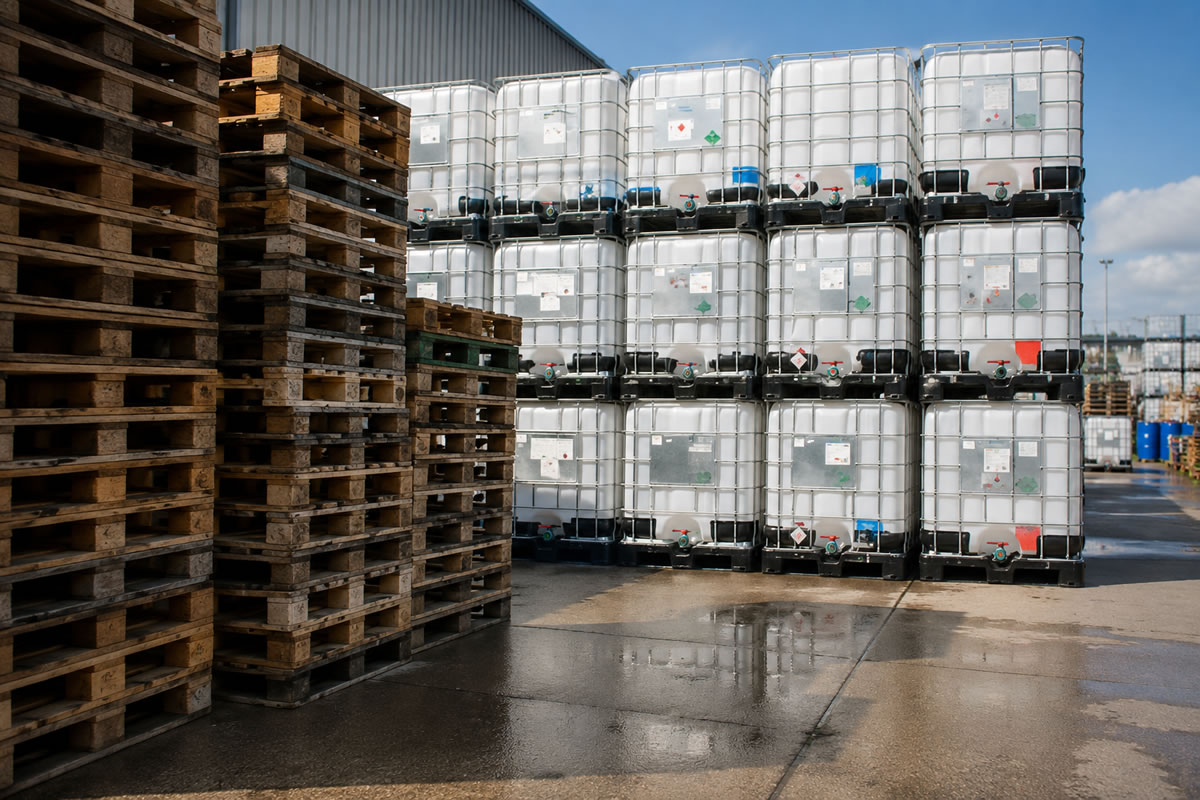
Reverse Osmosis Chemicals
Reverse osmosis systems play an important role in many industrial processes and are frequently used as part of modern boiler feedwater treatment programmes.
Membranes are highly efficient, but they are also vulnerable to scaling, fouling and biological contamination. Once performance begins to deteriorate, operating costs increase and membrane replacement can become expensive.
Our specialist reverse osmosis chemicals are designed to maximise membrane life and maintain water quality.
These include:
Antiscalants
Antiscalants help prevent mineral deposits forming on membrane surfaces and are essential in maintaining long-term performance.
Membrane Cleaning Chemicals
Periodic cleaning is often necessary to remove accumulated fouling and restore membrane efficiency.
Biocides
Biological contamination can seriously affect membrane performance. Specialist biocides help control microbial growth and biofilm formation.
pH Adjustment Chemicals
Maintaining the correct pH helps optimise membrane operation and protects system components.
Dechlorination Chemicals
Many membrane materials are sensitive to oxidising agents such as chlorine. Dechlorination chemicals help protect membranes from irreversible damage.
Every reverse osmosis plant is different, which is why chemical treatment programmes should always be based on feedwater quality, operating conditions and overall system design.
When properly maintained, reverse osmosis systems provide a reliable source of high-quality water while helping to reduce boiler blowdown losses, improve efficiency and protect downstream equipment.
Specialist Water Treatment Chemicals
Over the years, we’ve found that most water treatment problems can be traced back to a handful of familiar causes. Scale reduces heat transfer, corrosion attacks metal surfaces, microbiological growth creates fouling and biofilm, while poor water chemistry gradually undermines the reliability of the entire system.
The good news is that these problems are largely preventable. Selecting the right speciality chemicals and maintaining the correct treatment levels can make the difference between a system that runs efficiently for decades and one that becomes a constant source of maintenance headaches.
Corrosion Inhibitors
Corrosion is one of the most common problems encountered in industrial water systems and one of the most expensive when left unchecked.
In its early stages, corrosion often goes unnoticed. Over time, however, it can lead to blocked strainers, damaged pumps, leaking pipework, heat exchanger failures and extensive system contamination.
We’ve investigated many systems where corrosion products had circulated for years before the underlying problem was identified. By that stage, remedial works are usually far more expensive than maintaining the correct inhibitor programme in the first place.
Corrosion inhibitors work by creating a protective film on metal surfaces and modifying the water chemistry to make corrosion far less likely to occur.
Common Corrosion Inhibitors
Sodium Nitrite
Nitrite remains one of the most widely used corrosion inhibitors for closed heating and chilled water systems. It forms a passive oxide layer on steel surfaces and provides excellent protection when properly maintained.
Molybdate-Based Treatments
Molybdate inhibitors are particularly effective in mixed-metal systems and provide long-term protection with relatively low treatment concentrations.
Phosphate-Based Inhibitors
Phosphate treatments are widely used in boiler and cooling water applications, where they help reduce corrosion while also contributing to scale control.
Benefits of Corrosion Inhibitors
- Protect pipework and plant
- Extend equipment life
- Reduce breakdowns and leaks
- Lower maintenance costs
- Improve long-term reliability
Scale Inhibitors
Few problems have a greater impact on efficiency than scale.
It still surprises many people how much additional fuel can be consumed because of relatively thin deposits on heat transfer surfaces. Even small amounts of scale can significantly reduce heat transfer and increase operating costs.
Fortunately, scale is largely preventable.
Scale inhibitors interfere with crystal growth, preventing dissolved minerals such as calcium and magnesium from forming hard deposits.
Common Scale Inhibitors
Phosphonates
Phosphonates are among the most widely used antiscalants in industrial water treatment. They provide excellent control of calcium carbonate and other mineral deposits in boilers, cooling systems and process water applications.
Polyacrylates
Polyacrylate polymers help keep hardness salts dispersed within the water, reducing the risk of deposit formation.
Polymer Dispersants
These are frequently used alongside phosphonates to improve overall deposit control and maintain clean heat transfer surfaces.
Benefits of Scale Inhibitors
- Improved heat transfer efficiency
- Reduced fuel and energy costs
- Less downtime
- Lower maintenance requirements
- Extended equipment life
In our experience, maintaining clean heat transfer surfaces remains one of the most cost-effective ways of improving plant efficiency.
Water Treatment Biocides
Water systems provide an ideal environment for bacteria, algae and fungi to thrive. Left untreated, microorganisms can form biofilm layers that reduce heat transfer, promote corrosion and create operational and health risks.
Once biofilm becomes established, removing it can be difficult and expensive, which is why prevention is always preferable.
Oxidising Biocides
Oxidising biocides work rapidly and are often used as part of routine control programmes.
Common examples include:
- Sodium hypochlorite
- Chlorine dioxide
- Bromine-based treatments
- Silver-stabilised hydrogen peroxide
These products destroy microorganisms through oxidation and are particularly effective in cooling systems and process water applications.
Non-Oxidising Biocides
Non-oxidising biocides attack microorganisms through different mechanisms and are often used alongside oxidising treatments to provide broader protection.
Common products include:
- Isothiazolinones
- Glutaraldehyde
Alternating biocides can help improve control and reduce the risk of resistant organisms becoming established.
Benefits of Biocides
- Improved system hygiene
- Reduced biofilm formation
- Better heat transfer efficiency
- Lower microbiological risk
- Improved system reliability
Dispersants and Deposit Control Chemicals
Many industrial water systems contain suspended solids, corrosion products and organic debris that can settle out and form deposits.
Dispersants are often overlooked, but they play an important role in maintaining clean systems.
Rather than allowing particles to accumulate on surfaces, dispersants keep contaminants suspended so they can be removed through filtration, blowdown or normal system operation.
Common Dispersants
- Polymeric dispersants
- Acrylic copolymers
- Deposit control polymers
Benefits of Dispersants
- Cleaner systems
- Reduced fouling
- Improved heat transfer
- Better blowdown performance
- Lower maintenance costs
Oxygen Scavengers
Dissolved oxygen remains one of the biggest threats to steam boiler systems.
Without effective oxygen control, pitting corrosion can develop rapidly and cause significant damage to boilers, feed tanks and condensate systems.
Oxygen scavengers react with dissolved oxygen before it has an opportunity to attack metal surfaces.
Common Oxygen Scavengers
Sodium Sulphite
Sodium sulphite has been used successfully for many years and remains a reliable and economical solution for low and medium-pressure boiler systems.
Carbohydrazide
Carbohydrazide is commonly used in higher-performance applications and where lower dissolved solids contribution is desirable.
Benefits of Oxygen Scavengers
- Protection against oxygen pitting
- Reduced corrosion
- Improved boiler reliability
- Longer equipment life
- Lower maintenance costs
From experience, maintaining proper oxygen control is one of the simplest and most effective ways of protecting steam plant.
pH and Alkalinity Control Chemicals
Maintaining the correct pH is fundamental to any successful water treatment programme.
Water that is too acidic can accelerate corrosion, while excessive alkalinity may encourage scale formation or cause carryover problems in boilers.
Achieving the right balance is essential.
We supply a range of speciality chemicals for pH adjustment and alkalinity control, including:
- Sodium hydroxide
- Sodium carbonate
- Acid-based correction chemicals
These products are used to establish stable operating conditions and allow the rest of the treatment programme to perform as intended.
Why Water Chemistry Matters
One thing experience teaches you is that water treatment chemicals rarely work in isolation.
Corrosion inhibitors, antiscalants, biocides and oxygen scavengers all depend on the underlying water chemistry being properly controlled.
Successful treatment programmes are built around balance, monitoring and consistency rather than simply adding more chemicals.
In our experience, the most effective treatment programmes are often the simplest. When the correct products are selected and maintained at the right levels, systems remain cleaner, more efficient and considerably more reliable over the long term.
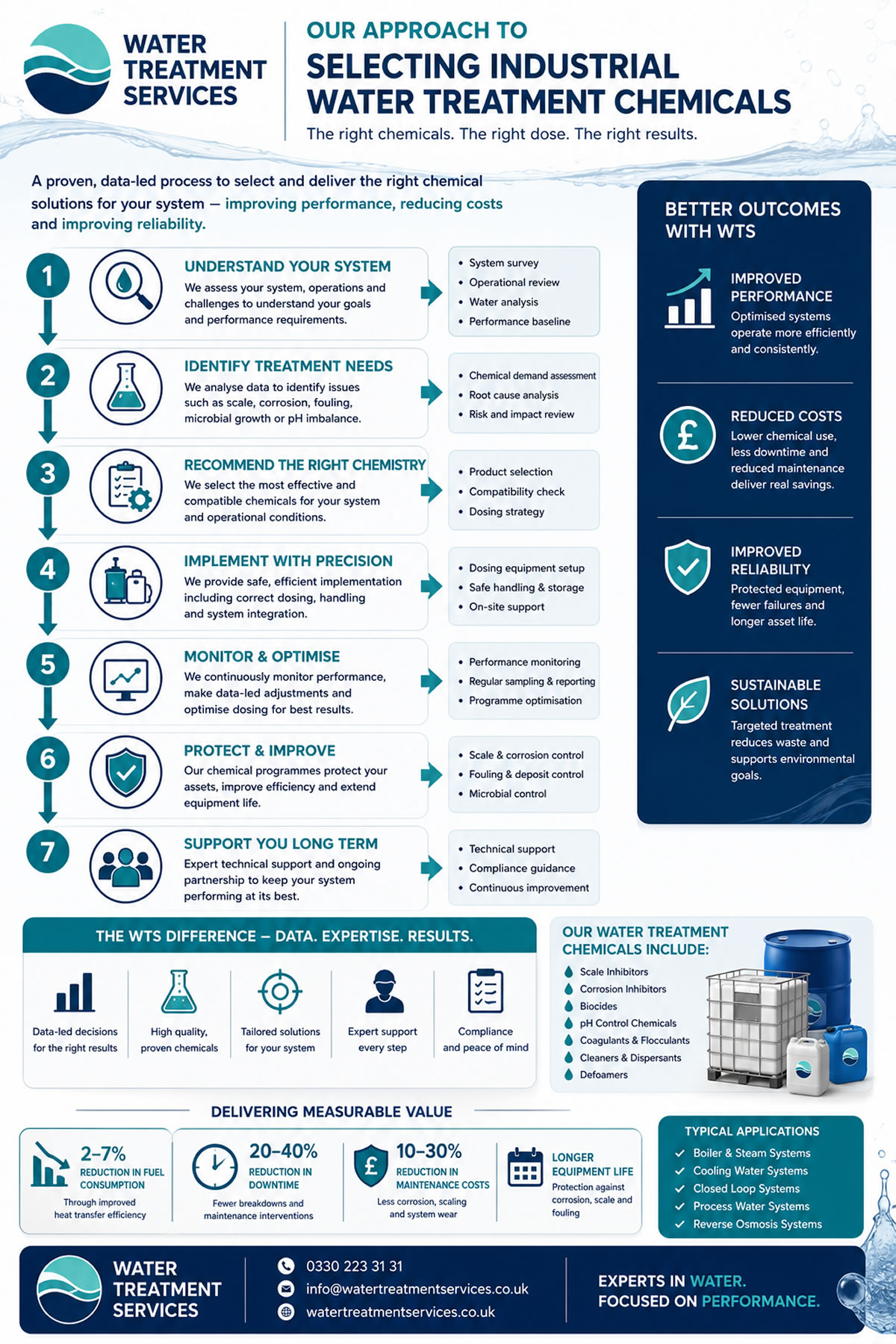
How We Select the Right Water Treatment Chemicals
One of the biggest misconceptions in industrial water treatment is that there is a standard chemical package suitable for every system.
In reality, no two sites are exactly the same.
Over the years, we’ve seen situations where a treatment programme that performs perfectly on one site has delivered disappointing results on another, simply because the operating conditions, water quality or system design were different.
Good water treatment is about understanding the system and selecting the right chemistry to address the problems that are most likely to occur.
That’s why we don’t believe in one-size-fits-all treatment programmes.
Understanding the System
Before recommending any treatment chemicals, we first need to understand what we’re dealing with.
Some of the factors we consider include:
These details are often just as important as the chemistry itself.
For example, an ageing heating system with ongoing make-up water issues will have very different requirements from a modern steam boiler supplied with reverse osmosis feedwater.
Likewise, a cooling tower operating in a dusty environment will face different challenges from one installed in a relatively clean location.
Understanding these differences allows us to tailor the treatment programme accordingly.
Water Quality Analysis
Successful water treatment starts with understanding the water itself.
Although water may appear clean, dissolved minerals, oxygen, suspended solids and microbiological activity can all have a significant impact on system performance.
Our consultants routinely assess factors such as:
- pH
- Hardness
- Conductivity
- Alkalinity
- Dissolved oxygen
- Iron and other dissolved metals
- Suspended solids
- Microbiological activity
In many cases, this information quickly reveals the underlying cause of problems.
We’ve investigated systems where corrosion had been blamed on poor-quality chemicals, only to discover that excessive make-up water or incorrect pH control was the real issue.
Likewise, scale deposits are often symptoms of wider water quality problems rather than the result of a single chemical deficiency.
Without understanding the chemistry, any treatment programme is little more than guesswork.

Matching Chemicals to the Application
Different systems experience different problems and require different approaches.
Boiler Water Treatment Chemicals
Steam boilers demand careful control of water chemistry. Oxygen ingress, hardness salts and poor condensate quality can all affect efficiency and reliability.
Depending on the operating conditions, treatment programmes may include:
-
- Oxygen scavengers
- Phosphate treatments
- Alkalinity builders
- Polymer dispersants
- Condensate line inhibitors
When correctly applied, these chemicals help maintain clean heat transfer surfaces, minimise corrosion and maximise boiler efficiency.
Cooling Water Treatment Chemicals
Cooling systems are constantly exposed to the atmosphere, making them particularly vulnerable to scale formation, corrosion and microbiological fouling.
Typical treatment programmes may include:
-
- Corrosion inhibitors
- Scale inhibitors
- Oxidising biocides
- Non-oxidising biocides
- Dispersants
Maintaining the correct balance between these treatments is essential for achieving good heat transfer and effective control of biological growth.
Closed System Treatment Chemicals
Closed heating and chilled water systems should remain stable for many years, provided inhibitor levels are maintained and unnecessary water losses are avoided.
Treatment programmes may include:
-
- Nitrite inhibitors
- Molybdate-based inhibitors
- Glycol inhibitors
- Biocides
- pH correction chemicals
In our experience, most serious closed system problems arise not because treatment has failed, but because inhibitor levels have been allowed to fall or excessive make-up water has gone unnoticed.
Reverse Osmosis Chemicals
Reverse osmosis systems require specialist chemistry to protect membrane surfaces and maintain water quality.
Treatment programmes typically include:
-
- Antiscalants
- Membrane cleaning chemicals
- Dechlorination products
- Biocides
- pH adjustment chemicals
Correct chemical selection can significantly extend membrane life and improve the performance of downstream equipment such as steam boilers.
Optimising Performance and Cost
One thing experience teaches you is that more chemicals do not necessarily mean better treatment.
In fact, overdosing can sometimes be just as harmful as underdosing.
Our objective is always to use the most appropriate chemistry, at the correct dosage, to achieve the desired result.
A well-designed treatment programme should deliver:

Ongoing Monitoring and Technical Support
Water treatment is not something that should be set up and forgotten.
Water quality changes. Systems age. Operating conditions evolve. Even small changes in make-up water or plant operation can influence treatment performance.
That’s why ongoing monitoring remains an essential part of any successful programme.
Through regular testing, water analysis and system inspections, we can identify developing problems before they become costly failures.
In many cases, a relatively minor adjustment made at the right time can prevent expensive repairs and avoid unnecessary downtime.
We’ve always believed that good water treatment should be proactive rather than reactive.
Experience Matters
Over the years, we’ve encountered just about every water treatment problem imaginable.
We’ve seen boilers running with heavy scale deposits because water softeners had failed. We’ve investigated cooling systems suffering from severe biofilm fouling because biocide control had been neglected. We’ve also worked on closed heating systems where excessive corrosion had gone unnoticed for years because make-up water losses were never addressed.
Most of these problems were entirely preventable.
That’s why selecting the right water treatment chemicals is only part of the equation.
Equally important is understanding the system, monitoring performance and applying practical experience to ensure the treatment programme continues to deliver reliable results.
By combining high-quality speciality chemicals with technical expertise and ongoing support, Water Treatment Services helps customers throughout the UK, Ireland and internationally keep their water systems operating safely, efficiently and economically.
Frequently Asked Questions About Industrial Water Treatment Chemicals
What are water treatment chemicals used for?
Industrial water treatment chemicals are used to control the four main causes of system deterioration – scale, corrosion, microbiological growth and fouling.
Without appropriate treatment, these problems gradually reduce efficiency, increase energy consumption and shorten the life of boilers, cooling systems and process equipment.
A properly managed chemical programme helps maintain reliable operation, minimise maintenance costs and protect valuable assets.
Which water treatment chemicals are used in steam boilers?
Most steam boiler treatment programmes include oxygen scavengers, phosphate treatments, alkalinity builders and polymer dispersants.
The exact formulation depends on factors such as:
- Boiler operating pressure.
- Feedwater quality.
- Whether softened or reverse osmosis water is used.
- Condensate return rates.
- Overall system design.
In our experience, no two boiler houses are exactly alike, which is why treatment programmes should always be tailored to the application.
What chemicals are used in cooling systems?
Cooling water treatment programmes typically include:
- Corrosion inhibitors.
- Scale inhibitors.
- Oxidising biocides.
- Non-oxidising biocides.
- Dispersants.
The objective is to maintain clean heat transfer surfaces, minimise fouling and control microbiological activity.
When correctly managed, cooling systems operate more efficiently and support effective Legionella control.
What chemicals are used in reverse osmosis systems?
Reverse osmosis plants commonly use:
- Antiscalants.
- Membrane cleaning chemicals.
- Dechlorination products.
- Biocides.
- pH adjustment chemicals.
Selecting the right chemistry helps maximise membrane life and maintain consistent water quality.
Can water treatment chemicals reduce energy costs?
Yes.
One of the biggest benefits of effective water treatment is improved heat transfer.
Even relatively thin scale deposits can increase fuel consumption and reduce plant efficiency. By maintaining clean surfaces and controlling fouling, chemical treatment programmes often deliver savings that far exceed their annual cost.
How often should water treatment chemicals be tested?
That depends on the application.
High-pressure steam boilers and cooling systems generally require more frequent monitoring than closed heating systems.
In practice, treatment levels should be checked regularly and adjusted when necessary. Water treatment should never be regarded as a “set and forget” exercise.
Routine monitoring remains one of the most effective ways of preventing expensive failures.
Can water treatment chemicals extend equipment life?
Absolutely.
We’ve seen well-maintained systems continue operating efficiently for decades, while neglected systems can suffer serious deterioration within only a few years.
By controlling scale, corrosion and microbiological growth, chemical treatment helps protect:
- Boilers.
- Cooling towers.
- Heat exchangers.
- Pipework.
- Pumps.
- Valves.
- Reverse osmosis membranes.
How do I choose the right water treatment chemicals?
The correct treatment programme depends on many factors, including:
- Water quality.
- System design.
- Operating temperatures.
- Metallurgy.
- System volume.
- Make-up water rates.
- Existing problems and treatment history.
This is why professional advice and water analysis remain so important.
The chemistry should always fit the system rather than the other way around.
Why Choose Water Treatment Services?
In our experience, we’ve learned that successful water treatment isn’t simply about supplying chemicals.
It’s about understanding systems, identifying problems and applying the right chemistry to achieve reliable long-term performance.
Our clients benefit from:
We work closely with facilities managers, engineers, maintenance contractors, plant managers and industrial operators to ensure treatment programmes deliver practical and measurable results.
Above all, we believe in providing straightforward advice and solutions that work.
Industry sectors we support
Our water treatment chemicals are used across a wide range of industrial and commercial sectors.
Speak to Our Water Treatment Specialists
No matter how sophisticated the equipment, every water system ultimately depends on good water chemistry.
During our time, we’ve seen first-hand the difference that a well-designed treatment programme can make. Properly treated systems run more efficiently, experience fewer breakdowns and generally cost less to operate over their lifetime.
Whether you require a complete chemical treatment programme, replacement products or independent technical advice, our experienced consultants are here to help.
From steam boilers and cooling towers to closed systems and reverse osmosis installations, Water Treatment Services supplies high-quality industrial water treatment chemicals supported by practical expertise and ongoing technical support.
Contact Water Treatment Services today to discuss your requirements and discover how the right chemistry can improve efficiency, reduce operating costs and protect your valuable plant and equipment.
You may also be interested in…




REVIEWS
Submit your review here