
Industrial Water Treatment Chemicals UK & International
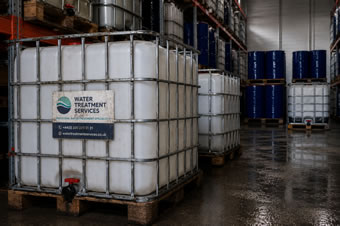
Full range of advanced technology, high performance water treatment chemicals.
Industrial water treatment chemicals are essential for protecting water systems from scale, corrosion, fouling and bacterial growth. Water Treatment Services supply high-quality, technically advanced treatment chemicals designed to improve system performance, reduce maintenance costs and extend the life of critical plant and equipment.
Water Treatment Services provide a comprehensive range of industrial water chemicals for boilers, cooling towers, closed heating and chilled water systems, domestic water services and process water applications throughout the UK, Ireland and internationally. Whether you require a complete chemical treatment programme or replacement products for an existing system, our experienced water treatment specialists can help you select the most effective solution.
High quality water treatment chemicals at competitive prices
Choosing the right blend of expert advice, application expertise and high-performance water treatment chemicals can significantly improve system efficiency and reduce operating costs. Poor water quality can lead to scale formation, corrosion, microbiological growth and equipment failure, resulting in costly repairs and increased energy consumption.
Our carefully selected range of high-performance industrial water treatment chemicals helps clients:
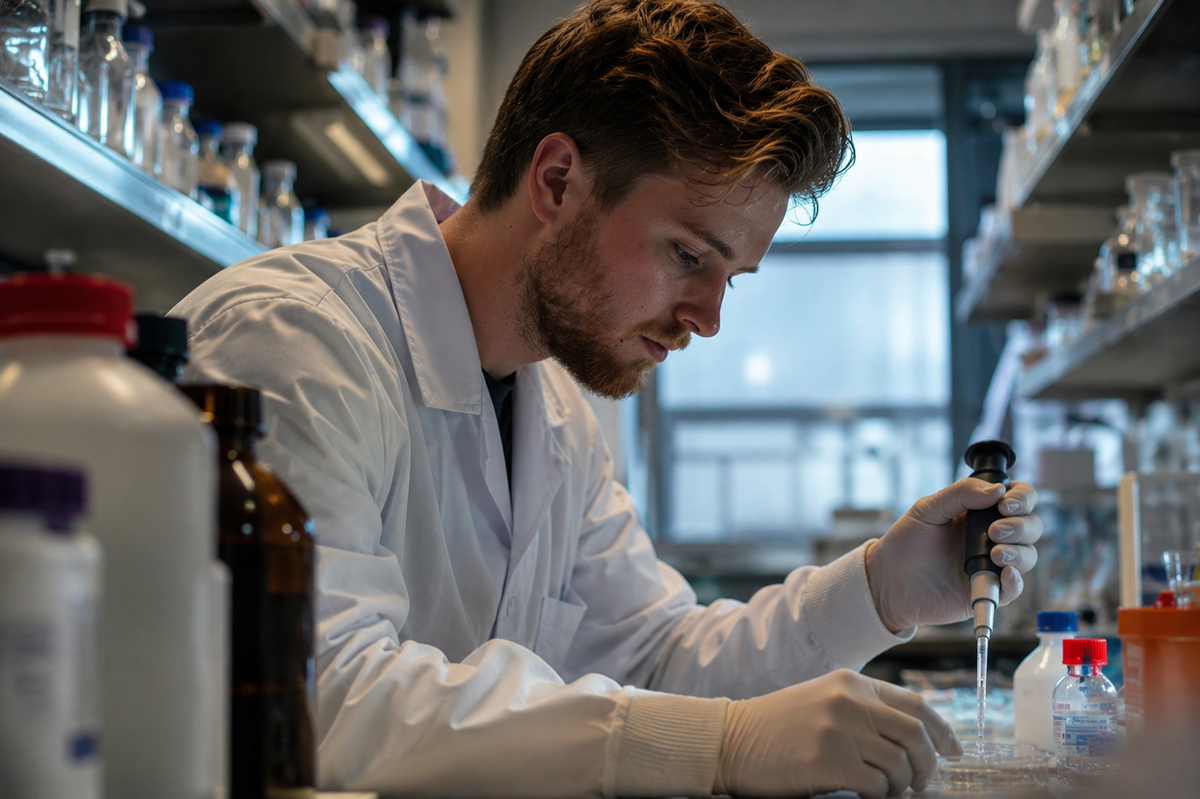
All our products are supported by expert technical advice, water analysis and ongoing monitoring to ensure optimum performance is achieved … continually.
Water treatment chemicals for every application
Boiler water treatment chemicals
Steam boilers require specialist chemical treatment to prevent scale, corrosion and oxygen-related damage.
Our boiler treatment chemicals include:
- Oxygen scavengers – remove dissolved oxygen from boiler water to help prevent corrosion and protect metal surfaces.
- Phosphate treatments – control hardness minerals and help prevent scale deposits from forming on boiler heat transfer surfaces.
- Alkalinity builders – maintain the correct pH and alkalinity levels to reduce corrosion and support efficient boiler operation.
- Condensate line inhibitors – protect condensate return pipework from corrosion caused by carbon dioxide and acidic conditions.
- Polymer dispersants – keep suspended solids and sludge dispersed in the water to prevent deposits and improve blowdown effectiveness.
These products help maintain efficient heat transfer, reduce fuel consumption and maximise boiler reliability.
Cooling water treatment chemicals
Cooling systems present unique challenges due to evaporation, concentration of dissolved solids and the potential for microbiologcal growth, including Legionella bacteria.
Our cooling water treatment chemicals include:
- Corrosion inhibitors – protect cooling system metals from corrosion and help extend the life of plant and equipment.
- Scale inhibitors – prevent mineral deposits from forming on heat transfer surfaces, maintaining cooling efficiency and reducing energy costs.
- Oxidising biocides – rapidly control bacteria, algae and other microorganisms to help maintain system hygiene and prevent biofouling.
- Non-oxidising biocides – target and control a broad range of microorganisms while providing longer-lasting protection against biological growth.
- Dispersants – keep suspended solids and organic matter dispersed in the water to minimise deposits and improve system cleanliness.
A well-managed cooling water treatment programme can improve operational efficiency, minimise fouling and support effective Legionella control.
Closed system treatment chemicals
Closed heating and chilled water systems require protection against corrosion, microbiological contamination and system degradation.
Our closed system treatment chemicals include:
- Nitrite inhibitors – provide corrosion protection for steel and iron components by forming a protective film on metal surfaces.
- Molybdate inhibitors – help prevent corrosion in closed heating and cooling systems while supporting long-term water quality.
- Closed system biocides – control bacteria and microbial growth to help maintain system cleanliness and prevent microbiological fouling.
- Glycol inhibitors – protect systems containing glycol from corrosion and degradation while maintaining freeze protection performance.
- pH correction chemicals – maintain the corect water chemistry to minimise corrosion and support efficient operation of the closed system.
These advanced chemical treatments help maintain system cleanliness, protect pipework and improve long-term performance.
Reverse osmosis chemicals
Reverse osmosis (RO) systems often form part of an effective boiler water treatment programme. To maintain performance and protect membrane life, specialist reverse osmosis chemicals are used to prevent scale, control biological growth and support efficient operation. They are also used extensively in wastewater applications and process environments where water quality purification is a major consideration, including the requirement for pure and ultra-pure water.
Our reverse osmosis chemicals include:
- Antiscalants – help prevent mineral deposits forming on membranes.
- Membrane cleaning chemicals – help remove fouling and restore performance.
- Biocides – control bacteria and biological contamination.
- pH correction chemicals – maintain optimum operating conditions.
- Dechlorination chemicals – protect sensitive membrane materials.
Selecting the correct RO chemicals helps maintain water quality, improve efficiency and extend membrane life.
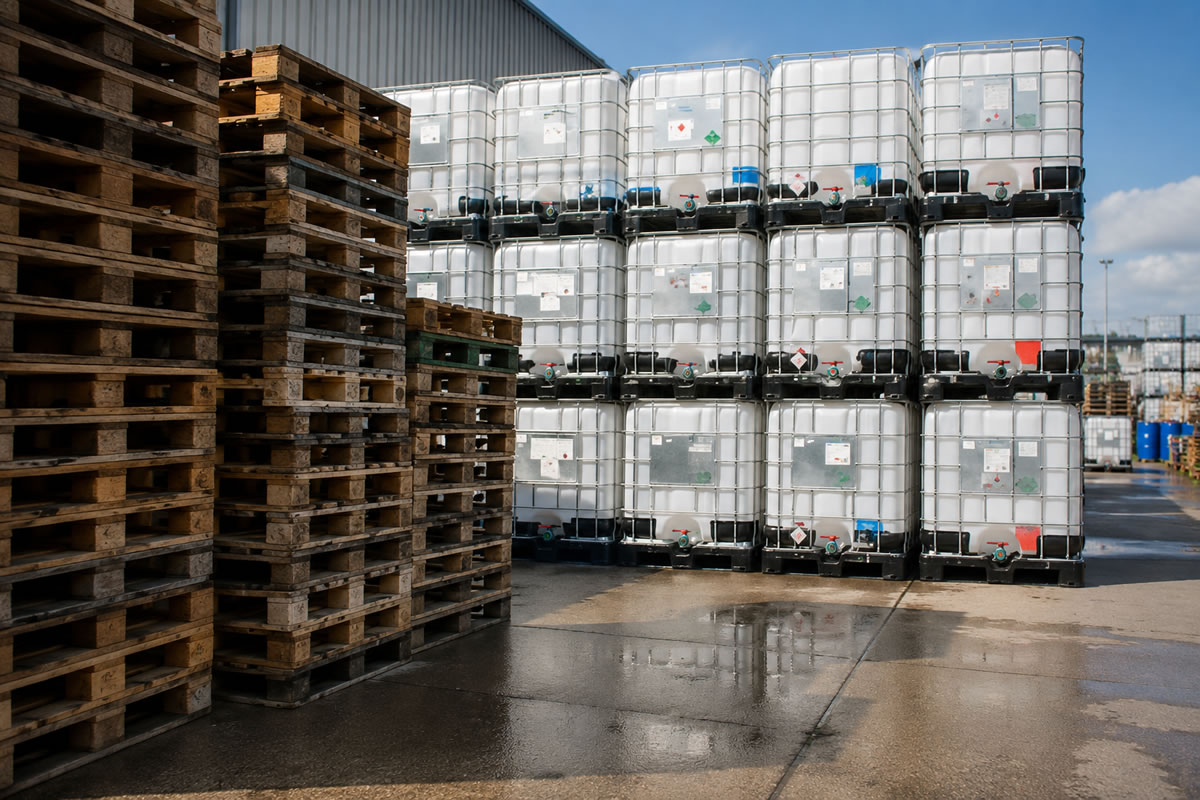
Corrosion inhibitors
Corrosion is one of the leading causes of system deterioration, equipment failure and costly repairs.
Corrosion inhibitors work by forming a protective barrier on metal surfaces, reducing the chemical reactions that cause rust and metal loss.
Common corrosion inhibitors
Sodium nitrite
Widely used in closed systems, sodium nitrite helps protect steel pipework and equipment from corrosion.
Molybdate-based inhibitors
Molybdate treatments provide effective corrosion protection and are often used in mixed-metal systems.
Phosphate-based inhibitors
Commonly used in boiler and cooling water treatment programmes to reduce corrosion and improve system protection.
Benefits of corrosion inhibitors
- Protect metal surfaces
- Reduce system failures
- Extend asset life
- Lower repair costs
- Improve system reliability
Scale inhibitors
Scale deposits can significantly reduce system efficiency and increase energy costs.
Scale inhibitors prevent dissolved minerals such as calcium and magnesium from forming hard deposits on heat exchange surfaces.
Common scale inhibitors
Phosphonates
Phosphonates are highly effective at controlling calcium scale formation in boilers, cooling systems and process water applications.
Polyacrylates
Help keep minerals suspended within the water, reducing the risk of deposits.
Polymer dispersants
Often used alongside phosphonates to improve overall scale control.
Benefits of scale inhibitors
- Improved heat transfer
- Lower energy consumption
- Reduced maintenance
- Extended equipment life
- Better system performance
Water treatment biocides
Bacteria, algae and fungi can rapidly colonise water systems if left untreated.
Biocides are designed to control microbiological activity and reduce the formation of biofilm that can impair system performance and cause persistent health risks.
Oxidising biocides
Oxidising biocides rapidly destroy microorganisms through oxidation.
Common products include:
- Sodium hypochlorite
- Chlorine dioxide
- Bromine-based treatments
- Silver-stabilised hydrogen peroxide
Non-oxidising biocides
These products target microorganisms through alternative chemical mechanisms.
Common products include:
- Isothiazolinones
- Glutaraldehyde
Benefits of biocides
- Improved system hygiene
- Reduced biofilm formation
- Better heat transfer efficiency
- Enhanced system reliability
- Effective microbial control
Dispersants and deposit control chemicals
Suspended solids and debris can accumulate within water systems, leading to fouling, reduced efficiency and blockages.
Dispersants help keep contaminants suspended in the water so they can be removed through filtration or routine system operation.
Common dispersant
- Polymeric dispersants
- Acrylic copolymers
- Deposit control polymers
Benefits of dispersants and deposit controllers
- Reduced fouling
- Cleaner systems
- Improved efficiency
- Lower maintenance costs
Oxygen scavengers
Dissolved oxygen is a major contributor to corrosion in steam boiler systems.
Oxygen scavengers react with dissolved oxygen before it can damage metal surfaces.
Common oxygen scavengers
Sodium sulphite
A proven and cost-effective solution for oxygen removal in boiler water systems.
Carbohydrazide
Carbohydrazide is a modern alternative used in higher-performance boiler applications.
Benefits of oxygen scavengers
- Reduced corrosion
- Improved boiler protection
- Longer equipment life
- Greater system reliability
pH and alkalinity control chemicals
Maintaining the correct water chemistry in any system is critical for preventing corrosion and scale formation.
We supply a range of speciality chemicals for pH adjustment and alkalinity control, including:
- Sodium hydroxide
- Sodium carbonate
- Acid-based pH correction products
These products help create the ideal operating conditions for your overall water treatment programme.

How we select the best water treatment chemicals
Selecting the best water treatment chemicals for an application is essential for achieving reliable system performance, reducing operating costs and protecting valuable plant and equipment. In our experience there is no single chemical treatment programme that suits every application. The most effective solution typically depends on the specific characteristics of the water system and the challenges it faces.
We take a tailored approach to water treatment, ensuring every customer receives the most appropriate and cost-effective chemical treatment programme for their system.
Understanding your water system
Before recommending any water treatment chemicals, we asses several key factors that influence treatment requirements.
These include:
This information helps us identify the most suitable treatment products, dosing strategy and overall approach to your system.
Water quality analysis
Any effective water treatment programme starts with understanding the chemistry of the water itself.
Our specialists can analyse important parameters including:
- pH
- Hardness
- Conductivity
- Alkalinity
- Dissolved oxygen
- Iron and metal content
- Microbiological activity
This water quality data allows us to identify potential risks such as scale formation, corrosion, fouling and bacterial growth before they become costly problems.
Matching water treatment chemicals to your system requirements
Different water systems require different treatment approaches.
Boiler water treatment chemicals
Steam boilers require carefully controlled water chemistry to prevent scale, corrosion and oxygen-related damage. Treatment programmes may include oxygen scavengers, phosphate treatments, alkalinity builders and dispersants to maintain efficient operation and protect boiler components.
Cooling tower water treatment chemicals
Cooling towers are particularly vulnerable to scale, corrosion and microbiological contamination. Treatment programmes typically include corrosion inhibitors, scale inhibitors, biocides and dispersants to maintain system efficiency and support effective water hygiene control.
Closed system water treatment chemicals
Closed heating and chilled water systems require long-term protection against corrosion and degradation. Treatment programmes often include nitrite or molybdate inhibitors, biocides and pH correction products to maintain water quality and protect system assets.
Reverse osmosis chemicals
Every reverse osmosis system operates under different conditions, which means chemical treatment programmes should be tailored to the quality of the feedwater, system design and operating requirements. We provide specialist reverse osmosis chemicals, water analysis and technical support to help maximise membrane performance and protect downstream boiler systems.
Optimising performance and cost
The most expensive water treatment chemical is often the one that is not needed or is over-dosed.
Our aim is to provide the most effective treatment programme using the correct products at the correct dosage rates. This helps customers achieve the best balance between performance, compliance and operating costs.
A properly designed chemical treatment programme can deliver:

On-going monitoring and technical support
Water treatment is not a one-off activity. Water conditions can change over time, affecting treatment performance.
Our ongoing monitoring and support services help ensure treatment programmes continue to deliver optimum results. Through regular testing, system inspections and performance reviews, we can make recommendations to improve efficiency, maintain regulatory compliance and reduce long-term operating costs.
By combining high-quality water treatment chemicals with expert technical support, Water Treatment Services helps clients throughout the UK, Ireland and internationally achieve safer, more efficient and more reliable water systems.
Frequently asked questions about industrial water treatment chemicals
What are water treatment chemicals used for?
Water treatment chemicals are used to control scale, corrosion, bacteria, biofilm and other water-related problems in industrial, process and commercial water systems. They help improve efficiency, reduce maintenance costs and extend the lifespan of equipment such as boilers, cooling towers, closed heating systems and reverse osmosis membranes.
What are the main types of industrial water treatment chemicals?
The main categories of industrial water treatment chemicals include:
- Corrosion inhibitors
- Scale inhibitors
- Biocides
- Oxygen scavengers
- Dispersants
- pH control chemicals
- Alkalinity builders
- Membrane cleaners
Each chemical performs a specific role in protecting water systems and maintaining operational efficiency.
Which water treatment chemicals are used in boiler systems?
Boiler water treatment chemicals typically include oxygen scavengers, phosphate treatments, alkalinity builders, condensate line inhibitors and dispersants. These chemicals help prevent scale formation, reduce corrosion and improve boiler efficiency.
What chemicals are used for cooling tower water treatment?
Cooling tower water treatment chemicals commonly include scale inhibitors, corrosion inhibitors, oxidising biocides, non-oxidising biocides and dispersants. Together, these products help control microbiological growth, prevent scale deposits and protect system components from corrosion.
What chemicals are used in reverse osmosis systems?
Reverse osmosis systems commonly use antiscalants, membrane cleaning chemicals, biocides, pH correction chemicals and dechlorination chemicals to protect membranes and maintain efficient operation.
What is the best chemical for preventing corrosion in water systems?
The most suitable corrosion inhibitor depends on the system design, water quality and operating conditions. Commonly used corrosion inhibitors include sodium nitrite, molybdate and phosphate-based products. A professional water treatment assessment can identify the most effective solution for your system.
How do scale inhibitors work?
Scale inhibitors prevent dissolved minerals such as calcium and magnesium from forming hard deposits on pipework, heat exchangers and other system surfaces. They work by disrupting crystal formation, helping minerals remain suspended in the water rather than attaching to equipment.
Why are biocides important in industrial water treatment?
Biocides help control bacteria, algae and fungi that can grow within water systems. Without effective biocide treatment, microorganisms can form biofilm, reduce system efficiency and increase both operational and health risks. Regular biocide dosing is an important part of many cooling tower and process water treatment programmes.
How often should water treatment chemicals be tested?
Water treatment chemicals should be monitored regularly to ensure they remain within the recommended operating range. The testing frequency depends on the type of system, water quality and risk level, but many industrial and process systems require weekly, monthly or quarterly monitoring as part of a managed treatment programme.
Can water treatment chemicals reduce energy costs?
Yes. Effective water treatment can significantly improve heat transfer efficiency by preventing scale, corrosion and fouling. Cleaner heat exchange surfaces allow systems to operate more efficiently, often reducing energy consumption and operating costs.
What happens if industrial water systems are not chemically treated?
Without appropriate water treatment chemicals, systems can experience scale build-up, corrosion, microbiological contamination, reduced efficiency, increased energy usage and premature equipment failure. This often results in higher maintenance costs and unplanned downtime.
How do I choose the right water treatment chemicals?
Selecting the correct water treatment chemicals requires an understanding of water quality, system design, operating temperatures and equipment materials. A professional water treatment specialist can assess your system and recommend the most effective treatment programme.
Do you supply water treatment chemicals throughout the UK and internationally?
Yes. Water Treatment Services supplies high-quality industrial water treatment chemicals to commercial, process and industrial clients throughout the UK and internationally. We provide expert advice, water quality testing, treatment programme design and ongoing technical support to help customers achieve optimum system performance.
Are water treatment chemicals suitable for closed heating and chilled water systems?
Yes. Closed system water treatment chemicals are specifically designed to protect heating and chilled water systems from corrosion, bacterial growth, biofilm formation and system degradation. Common treatments include corrosion inhibitors, biocides and pH correction chemicals.
Can water treatment chemicals extend equipment life?
Yes. By preventing corrosion, scale and microbiological fouling, water treatment chemicals help protect critical equipment and can significantly extend the lifespan of boilers, cooling towers, heat exchangers, pipework and associated plant.
Where can I buy industrial water treatment chemicals in the UK, and for export internationally?
Water Treatment Services supplies a comprehensive range of industrial water treatment chemicals for boilers, cooling towers, closed systems and process water applications. Contact our team for expert advice and a tailored treatment solution.
Why choose Water Treatment Services?
Water Treatment Services combines high-quality British made chemical products with expert technical support to deliver reliable, cost-effective water treatment solutions.
Our clients benefit from:
Industry sectors we support
Our water treatment chemicals are used across a wide range of sectors, including:
We work closely with facilities managers, building owners, maintenance contractors, plant managers and industrial operators to ensure every treatment programme delivers maximum value and performance.
Speak to our water treatment specialists today
If you are looking for high-quality industrial water treatment chemicals at competitive prices, Water Treatment Services can help.
Our experienced consultants can recommend the most effective chemical treatment programme for your boiler, cooling tower, closed system or process water application.
Contact Water Treatment Services today to discuss your requirements and discover how our industrial water treatment chemicals can improve efficiency, reduce costs and protect your water systems.
You may also be interested in…




REVIEWS
Submit your review here
Toggle 1
Toggle 2