
Why Treat Makeup Water?
In this article the industrial water treatment experts at WTS discuss the use of makeup water, what it is, where it comes from, how to deal with contamination, and the benefits water treatment can deliver.
Heating boilers used in the home need occasional topping up with water. It shouldn’t come as a surprise then to learn that larger scale industrial and commercial boilers used in factories, industrial processes and similar operations also require topping up. The same applies to cooling water systems used in manufacturing, industrial and process applications. This additional water is often called “makeup” water and treating it to keep the water systems in optimum condition and safe to use is very important.
What is makeup water?
Makeup water is so called because it is used to make-up the amount of water lost in an engineered water system through leaks, evaporation, steam, and other processes. The makeup water tops up the heating or cooling system to make sure it still has enough water to operate safely and efficiently.
In this article we take a look at where this water comes from and how to make sure it is safe for use in the heating or cooling systems that need it.
Where does makeup water come from?
Most makeup water is good quality potable water, although some businesses are looking to use other water sources that are potentially better for the environment. These sources can include treated grey water and groundwater. Such options seem sensible, but it is always vital to make sure they are safe for use and the water properly treated before being introduced as makeup water. If they aren’t, a business could end up introducing dangerous bacteria and other damaging contaminants in to the system, reducing performance and raising the health risks from bacteria such as Legionella.
What are the most common contaminants affecting makeup water?
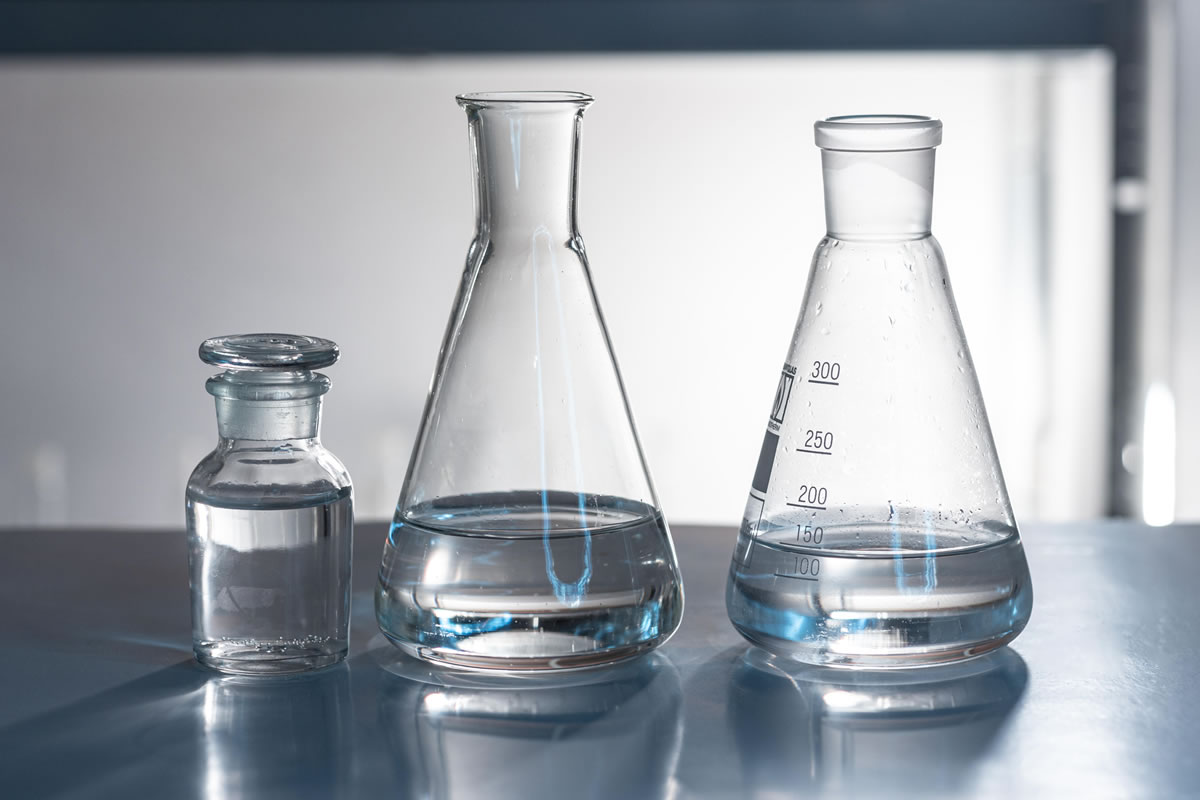
Water sources typically contain unwanted contaminants, including dissolved and suspended substances. The most common include:
- Alkalinity – Higher alkalinity, often with higher pH, increases scale potential.
- Bacteria – Can lead to biofilm formation and corrosion.
- Calcium and magnesium hardness – Can form limescale, increasing corrosion risk.
- Chlorides and sulphates – Can cause severe corrosion.
- Dissolved Gases – High oxygen levels in steam boiler systems can cause oxygen pitting.
- pH – Higher pH can lead to scale formation.
- Silica – Can form difficult-to-remove deposits.
- Suspended solids – Algae, silt, and sediment can cause sludge formation.
- Total Dissolved Solids (TDS): Higher conductivity means greater TDS, increasing corrosion potential.
Why does makeup water need to be safe for use?
No one wants a water source to be contaminated with anything that could cause a problem, not least when it is introduced to engineering plant operations. Imagine the plant or process uses cooling towers that emit water vapour or water is lost in other parts of the process. In either case, it’s possible that people in the vicinity could inhale vapour created through various processes. If the vapour is contaminated just as the water is, this could potentially lead to illness. One example concerns Legionella bacteria, which, when inhaled, can infect the lungs and lead to Pontiac fever or the more serious Legionnaires’ disease.
For our purposes here, we can examine how makeup water could potentially be a source of nutrients for Legionella bacteria to thrive in. Indeed, the bacteria may be present in the water before it is introduced into the engineered system. This indicates how important it is for the water to be treated before being used to top up the levels.
Hazards caused by bacteria including Legionella
Legionella bacteria are found in natural water sources, so it is likely that makeup water will contain it to some extent. Treatment should keep the bacteria at safe levels. However, the water may also contain food sources that bacteria can feed on. For example, sediment in the water may not be visible, but it could still be present in sufficient amounts to raise the possibility of sludge forming. This is the kind of material that Legionella and other bacteria can feed on. It also increases the likelihood of biofilms forming in the water and the pipes it is introduced into. Sludge and biofilms together would make it more likely that Legionella could spread within the system, causing a significant health hazard. It can also increase the risks from corrosion.
What are the benefits of treating makeup water?
Treating makeup water brings a number of benefits including:
- Improves makeup water quality.
- Reduces fouling and corrosion of the system.
- Reduces frequency of required blowdown.
- Optimises performance of plant and equipment.
How can makeup water be treated before use?
There are various processes that can be used to ensure that makeup water is safe for introduction into a water system. Some are more complex and expensive than others, but a range of processes may potentially be ideal for use depending on the circumstances.
For example, pre-treatment involving the removal of sediment and other floating materials in the water is essential, as this removes a source of nutrients for bacteria to thrive on. If the plant is in a hard water area, it may be prudent to treat it for this too, softening the water and removing deposits that will lead to the formation of limescale. Filtration and reverse osmosis can also help to purify the water, ridding it of larger debris in the process.
Exploring the use of water treatment biocides
Biocide treatments are a crucial area of interest for makeup water and indeed the water system itself. Biocides are special chemicals that are used to kill microbes yet will not harm humans when used in safe quantities. They can be used in cooling towers, water supply systems, and as an important part of the water treatment system.
Many businesses with cooling towers, water storage facilities, and similar elements will already use both biocides such as chlorine, bromine and chlorine dioxide. However, we can see that using biocides to help with the treatment and introduction of makeup water is also important.
The need for a risk assessment
There should of course be a full risk assessment completed that considers the introduction of makeup water as well as all other aspects of the water system and the risks associated with this process. This should highlight the risks and consider how to remove or limit them. In the case of makeup water, it is clearly required and cannot be ignored or removed, so you need to think about how to limit the risks associated with it. We have covered some of these above, mostly revolving around how to treat makeup water to be sure it is safe to use in this situation. A broader knowledge of makeup water, what it may contain and how to mitigate these risks will help achieve this outcome.
Industrial water treatment solutions
Water Treatment Services offer a comprehensive range of innovative water management solutions for business. Our specialists provide expert advice and support to help you develop the most appropriate strategies for the identification and implementation of cost efficient and environmentally sensitive water treatment solutions for all industrial waters and trade effluents.
With offices in London serving the South and South East England, Manchester (North West), Birmingham (Midlands), Bristol (South East England and Wales), Leeds (North and North East) and Glasgow (Scotland), supported by regional teams of specially trained environmental engineers and wastewater treatment specialists we offer cost effective environmental support solutions across the whole of the UK and internationally.
Contact us today to learn how our water management solutions can help you optimise your treatment costs and improve environmental performance.